You’re here because you’re looking for answers. You’ve noticed your hair isn’t as full as it used to be, and the widening part or increased shedding has become a persistent concern. As the Listicle Content Architect, your go-to expert for crafting engaging and informative lists, I understand the unique challenges women face with hair thinning. It’s not just about aesthetics; it’s about confidence and feeling your best. Fortunately, the natural world offers a bounty of potent remedies, and essential oils stand out as powerful allies in your journey to thicker, healthier hair.
This isn’t just a casual scroll. This is your deep dive into understanding how specific essential oils can target the root causes of female hair thinning and promote regrowth. We’ll explore the science behind these botanical marvels, how to use them safely and effectively, and what to expect as you integrate them into your self-care routine. Get ready to transform your relationship with your hair.
Before we dive into the miraculous world of essential oils, it’s crucial to understand why your hair might be thinning. Female hair thinning is a complex issue with a multitude of potential causes, and identifying the underlying factors is key to choosing the most effective remedies. As your trusted LCA, I’m here to shed light on these contributing factors, empowering you to make informed decisions. Don’t just treat the symptom; address the cause.
Hormonal Shifts and Imbalances
Hormones play a pivotal role in the hair growth cycle. Fluctuations can significantly impact follicle health and hair density.
Androgenetic Alopecia (Female Pattern Hair Loss)
This is the most common cause of hair thinning in women, characterized by a gradual thinning of hair on the top and crown of the head. It’s genetically predisposed and influenced by androgens, hormones present in both men and women. While often associated with men, women can experience thinning due to changes in hormone levels.
Menopause and Perimenopause
As estrogen levels decline during perimenopause and menopause, the hair growth cycle can be disrupted. This hormonal shift can lead to finer, sparser hair. Your body is undergoing significant changes, and your hair can be a visible indicator.
Polycystic Ovary Syndrome (PCOS)
PCOS is an endocrine disorder that can lead to an imbalance of hormones, particularly an increase in androgens. This hormonal imbalance can manifest as hair thinning on the scalp, often accompanied by hair growth in other areas of the body.
Nutritional Deficiencies
Your hair is a reflection of your internal health. If your body isn’t getting the building blocks it needs, your hair will suffer.
Iron Deficiency Anemia
Iron is essential for carrying oxygen to your hair follicles. A lack of iron can starve your follicles, leading to hair loss. This is particularly common in menstruating women.
Vitamin D Deficiency
Vitamin D plays a role in stimulating hair follicles. Low levels have been linked to hair thinning and loss. It’s not just for bones; it’s for hair too!
Biotin and Other B Vitamins
Biotin, in particular, is widely recognized for its role in hair health. Deficiencies in biotin and other B vitamins can weaken hair strands and impede growth.
Stress and Lifestyle Factors
The modern world can be a breeding ground for stress, and your hair often bears the brunt of it.
Telogen Effluvium
This is a type of temporary hair loss often triggered by significant physical or emotional stress. A traumatic event, surgery, or even rapid weight loss can push a larger-than-usual number of hair follicles into the resting phase, leading to increased shedding.
Poor Scalp Health and Product Buildup
An unhealthy scalp environment can stifle hair growth. Buildup from styling products, pollution, and natural oils can clog follicles and create inflammation, hindering healthy hair production.
Medical Conditions and Medications
Certain underlying health issues and treatments can also contribute to hair thinning.
Autoimmune Diseases
Conditions like alopecia areata, an autoimmune disorder where the immune system attacks hair follicles, can cause patchy or complete hair loss.
Thyroid Disorders
Both an overactive (hyperthyroidism) and underactive (hypothyroidism) thyroid can disrupt the hair growth cycle, leading to thinning.
Medications
Some medications, including those for blood pressure, depression, and arthritis, can have hair loss as a side effect.
If you’re exploring natural remedies for female hair thinning, you might find it beneficial to read about the impact of scalp massages and stimulating techniques on hair growth. These methods can complement the use of essential oils by enhancing blood circulation to the scalp, which may promote healthier hair follicles. For more insights on this topic, check out the article on scalp massages and stimulating techniques here.
The Powerhouse Essential Oils for Hair Thinning
Now that you have a clearer understanding of the potential culprits behind your hair thinning, let’s delve into the star players: essential oils. These concentrated plant extracts are packed with beneficial compounds that can invigorate your scalp, stimulate circulation, and promote healthy hair growth. As your expert LCA, I’ve carefully curated a list of the most effective essential oils, backed by anecdotal evidence and emerging scientific research.
Rosemary Essential Oil: A Time-Tested Elixir
Rosemary has a long and storied history of promoting hair health, and for good reason. Its potent properties make it a top contender for combating hair thinning.
Stimulating Blood Circulation
The carnosic acid found in rosemary essential oil is believed to have regenerative properties, promoting nerve growth and improving circulation. Increased blood flow to the scalp delivers vital nutrients and oxygen to the hair follicles, encouraging stronger growth. Think of it as giving your roots a gentle, invigorating massage.
Anti-inflammatory and Antioxidant Benefits
Rosemary is rich in antioxidants, which help combat free radical damage that can harm hair follicles. Its anti-inflammatory properties can soothe an irritated scalp, creating a more conducive environment for hair growth. A calm scalp is a happy scalp, ready to produce luscious locks.
Potential for Hair Regrowth
Some studies suggest rosemary essential oil may be as effective as minoxidil (a common hair regrowth treatment) in promoting hair growth, without the potential side effects. This is a significant finding and a testament to the power of this herb.
Peppermint Essential Oil: The Refreshing Stimulant
When you think of peppermint, you likely associate it with its cooling sensation. That invigorating tingle is exactly what your scalp needs to wake up dormant hair follicles.
Enhanced Follicular Penetration
The menthol in peppermint oil causes a refreshing tingle and increases blood flow to the area where it’s applied. This increased circulation helps to thoroughly deliver nutrients to the hair follicles, fostering a healthier growth environment. It’s like a jolt of energy for your scalp.
Improved Hair Follicle Health
Studies have indicated that peppermint oil can increase the depth and number of hair follicles. It helps to revitalize the scalp and encourage the transition of hair follicles from a resting phase to a growing phase.
Antimicrobial Properties
Peppermint oil also possesses antimicrobial properties, which can help keep your scalp clean and free from potential infections that could hinder hair growth. A clean slate is essential for new beginnings.
Lavender Essential Oil: The Soothing and Restorative Champion
While known for its calming aroma, lavender essential oil offers remarkable benefits for hair health, particularly in cases of thinning and stress-induced hair loss.
Stress Reduction and Scalp Relaxation
Laughter is the best medicine, but when it comes to hair loss related to stress, lavender essential oil can be a close second. Its soothing properties can help to calm the nervous system, reducing stress which is a major contributor to hair thinning. A relaxed mind often leads to a relaxed scalp.
Antimicrobial and Anti-inflammatory Qualities
Lavender oil possesses natural antimicrobial and anti-inflammatory properties that can help to soothe an irritated scalp and promote a healthier environment for hair growth. It can also help to combat dandruff and other scalp conditions that may contribute to hair loss.
Promotion of Hair Growth
Research suggests that lavender essential oil can promote hair growth by increasing cell regeneration. This means it helps to create new, healthy hair cells, leading to thicker and fuller hair over time.
Cedarwood Essential Oil: The Balancing and Fortifying Agent
Cedarwood essential oil, derived from the wood of cedar trees, is a fantastic choice for those experiencing hair thinning due to fungal or bacterial issues, as well as hormonal imbalances.
Antifungal and Antibacterial Properties
These properties make cedarwood oil excellent for combating dandruff and other scalp infections that can impede hair growth. By creating a cleaner scalp environment, it paves the way for healthier follicles to thrive.
Balancing Sebum Production
Cedarwood oil is known to help balance the production of sebum, the natural oil produced by your scalp. Whether your scalp is too oily or too dry, cedarwood can help bring it back into equilibrium, which is essential for optimal hair follicle function.
Strengthening Hair Follicles
It’s believed that cedarwood oil can strengthen hair follicles, reducing breakage and promoting overall hair thickness. This contributes to a more robust mane that’s less prone to shedding.
Clary Sage Essential Oil: The Hormone Harmonizer
Clary sage essential oil is particularly beneficial for women experiencing hair thinning related to hormonal fluctuations, such as those during perimenopause or due to PCOS.
Estrogen-Like Properties
Clary sage contains sclareol, a compound that mimics some of the effects of estrogen. This can be incredibly helpful in rebalancing hormones during menopause or other estrogen-deficient states, thereby supporting hair growth.
Stimulating Hair Follicles
The stimulating properties of clary sage can also help to invigorate the scalp and encourage dormant hair follicles to enter the growth phase. It’s a gentle but effective way to boost natural hair production.
Reducing Scalp Inflammation
Like other essential oils on this list, clary sage also boasts anti-inflammatory properties that can soothe an irritated scalp, creating a better foundation for hair to grow.
Crafting Your Essential Oil Hair Regimen
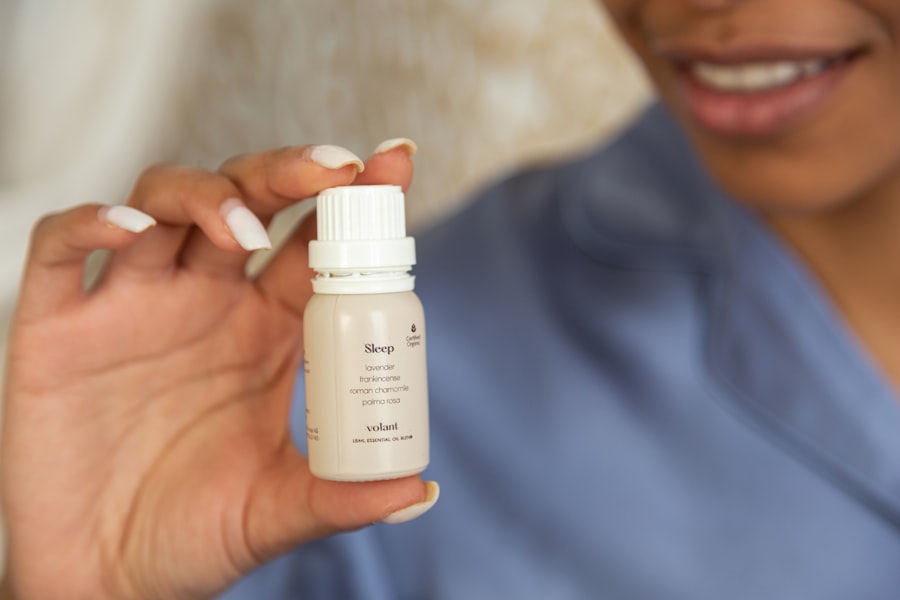
Simply knowing which essential oils are beneficial isn’t enough. As your LCA, I’ll guide you on how to effectively incorporate them into your hair care routine. Safety and consistency are paramount for seeing real results.
The Importance of Dilution: Carrier Oils Explained
Essential oils are highly concentrated and should never be applied directly to the scalp. Diluting them with a carrier oil is crucial for both safety and efficacy.
What are Carrier Oils?
Carrier oils are vegetable oils derived from the fatty portion of plants, such as seeds, nuts, or kernels. They are used to dilute essential oils and help them penetrate the skin more effectively.
Recommended Carrier Oils for Hair Health
- Coconut Oil: Deeply moisturizing, penetrates the hair shaft, and has antimicrobial properties. It’s a fantastic all-rounder.
- Jojoba Oil: Closely mimics the scalp’s natural sebum, making it easily absorbed and less likely to clog pores. It’s excellent for balancing oil production.
- Argan Oil: Rich in vitamin E and fatty acids, it nourishes and strengthens hair, adding shine and reducing frizz.
- Castor Oil: Known for its thick consistency and ricinoleic acid content, which promotes circulation and hair growth. It’s a potent option, so a little goes a long way.
- Sweet Almond Oil: Lightweight and rich in vitamins A, B, and E, it nourishes and conditions the scalp and hair.
The Golden Ratio: Dilution Guidelines
A general guideline for scalp application is a 1-3% dilution. This translates to:
- 1% dilution: 5-6 drops of essential oil per 1 ounce (30ml) of carrier oil.
- 2% dilution: 10-12 drops of essential oil per 1 ounce (30ml) of carrier oil.
- 3% dilution: 15-18 drops of essential oil per 1 ounce (30ml) of carrier oil.
For sensitive scalps or if you’re new to essential oils, start with a lower dilution (1%). You can gradually increase it as your scalp becomes accustomed to the oils.
Application Methods: Beyond the Mask
There are several effective ways to apply your essential oil blends to encourage hair growth and combat thinning. Experiment to find what works best for your lifestyle and hair type.
The Scalp Massage Oil Blend
This is perhaps the most traditional and effective method.
- Choose your blend: Select 2-3 essential oils from the list above that best suit your needs. For example, rosemary and peppermint for stimulation, or lavender and cedarwood for scalp health.
- Mix with carrier oil: Combine your chosen essential oils with your selected carrier oil(s) in a dark glass bottle. Shake gently to combine.
- Apply to scalp: Part your hair and apply the oil directly to your scalp using a dropper or your fingertips. Focus on areas where thinning is most noticeable.
- Massage gently: Using the pads of your fingers, gently massage the oil into your scalp for 5-10 minutes. This boosts circulation and helps the oils absorb.
- Leave in: Leave the oil on for at least 30 minutes, or for a longer, intensive treatment, leave it overnight.
- Wash out: Shampoo and condition as usual. You may need to shampoo twice to remove all residue, especially if using a thicker carrier oil like castor oil.
- Frequency: Aim for 2-3 times per week.
Incorporating into Your Shampoo and Conditioner
For a simpler, lower-commitment approach, you can add essential oils to your existing hair care products.
- Choose your essential oils: Select oils known for hair growth and scalp health.
- Add to product: Add 5-10 drops of essential oil to a palmful of your shampoo or conditioner.
- Mix and lather (shampoo): Mix the oil into the product thoroughly before applying to your scalp. Massage into the scalp and leave on for a few minutes before rinsing.
- Apply and leave (conditioner): Mix the oil into your conditioner and apply to your scalp and hair. Leave on for the recommended time before rinsing.
- Caution: Be mindful of the amount you add. Overdoing it can make your shampoo or conditioner greasy or overwhelming. Start with a few drops and see how your hair responds.
DIY Hair Sprays for On-the-Go Revival
A refreshing hair spray can be a great way to invigorate your scalp throughout the day.
- Create a base: In a spray bottle, combine distilled water and a small amount of witch hazel or a dispersant like polysorbate 20 (this helps essential oils mix with water).
- Add essential oils: Add your chosen essential oils. A good starting point is 10-15 drops of essential oil per 4 ounces (120ml) of liquid.
- Shake well: Shake vigorously before each use, as oil and water will naturally separate.
- Apply: Spritz directly onto your scalp, focusing on thinning areas.
Addressing Specific Hair Thinning Concerns with Essential Oils
As your LCA, I know that not all hair thinning is the same. Different causes may respond better to specific essential oil combinations. Let’s tailor your approach for maximum impact.
For Hormonal Hair Loss (Menopause, PCOS)
If your hair thinning is linked to hormonal shifts, opt for oils that can help rebalance and support your endocrine system.
The Estrogen Balance Blend
- Clary Sage Essential Oil: As mentioned, its estrogen-like compounds can be very beneficial.
- Lavender Essential Oil: Helps to reduce stress, which often exacerbates hormonal imbalances.
- Rosemary Essential Oil: Supports follicle health, which can be compromised by hormonal fluctuations.
Application: Combine 5 drops of clary sage oil, 5 drops of lavender oil, and 7 drops of rosemary oil with 2 tablespoons of jojoba oil. Massage into the scalp 2-3 times per week.
For Stress-Induced Hair Loss (Telogen Effluvium)
When stress is the primary culprit, your focus should be on calming the nervous system alongside stimulating hair growth.
The Stress Relief and Regrowth Formula
- Lavender Essential Oil: The ultimate stress reliever.
- Cedarwood Essential Oil: Grounding and calming, while also promoting scalp health.
- Peppermint Essential Oil: To invigorate the scalp and stimulate circulation, counteracting the slowing effects of stress.
Application: Blend 5 drops of lavender oil, 5 drops of cedarwood oil, and 6 drops of peppermint oil with 2 tablespoons of coconut oil or sweet almond oil. Massage into the scalp daily or every other day.
For Thinning Due to Nutritional Deficiencies or Poor Scalp Health
If your hair thinning is related to a lack of nutrients or an unhealthy scalp environment, you need oils that nourish and cleanse.
The Nutrient Boost and Scalp Revitalizer
- Rosemary Essential Oil: For stimulating circulation and delivering nutrients.
- Peppermint Essential Oil: To enhance penetration and energize follicles.
- Tea Tree Oil (use sparingly): A powerful antifungal and antibacterial agent that can cleanse a congested scalp. Note: Use tea tree oil in very low concentrations (1-2 drops per ounce of carrier oil) due to its potency.
Application: Mix 8 drops of rosemary oil, 5 drops of peppermint oil, and 1-2 drops of tea tree oil with 2 tablespoons of castor oil (for its growth-promoting properties) or argan oil. Apply to the scalp 3 times a week.
If you’re exploring natural remedies for female hair thinning, you might find it interesting to read about the potential link between hair loss and health conditions in the article on hair loss as a symptom of COVID-19. This article provides insights into how various factors, including stress and illness, can contribute to hair thinning, complementing the discussion on essential oils as a holistic approach to hair health. For more information, check out the article here.
Important Considerations and When to Seek Professional Help
“`html
| Essential Oil | Benefits | How to Use |
|---|---|---|
| Lavender Oil | Promotes hair growth and reduces hair loss | Massage into scalp or add a few drops to shampoo |
| Rosemary Oil | Stimulates hair follicles and improves circulation | Mix with carrier oil and massage into scalp |
| Cedarwood Oil | Balances oil production and promotes hair growth | Add a few drops to your shampoo or conditioner |
| Peppermint Oil | Increases circulation and promotes hair growth | Mix with carrier oil and massage into scalp |
“`
As your LCA and guide, it’s my duty to ensure you’re approaching this journey with both enthusiasm and informed caution. While essential oils are powerful allies, they are not a magic bullet for every situation.
Patch Testing: Your First Line of Defense
Before you slather a new essential oil blend all over your scalp, always perform a patch test.
Why Patch Test?
- Allergies: You might have an unknown allergy to a specific essential oil or carrier oil.
- Sensitivity: Essential oils, even diluted, can sometimes cause irritation or redness on sensitive skin.
- Effectiveness: It helps you gauge how your skin reacts to the blend.
How to Patch Test
- Dilute: Prepare a small amount of your chosen essential oil blend according to the dilution guidelines.
- Apply: Apply a small dab of the diluted blend to a discreet area of skin, such as the inner elbow or behind your ear.
- Wait: Leave it on for 24-48 hours.
- Observe: Check the area for any signs of redness, itching, burning, or rash. If you experience any adverse reaction, discontinue use of that oil or blend.
Consistency is Key: Patience for Results
The journey to thicker, healthier hair with essential oils is a marathon, not a sprint. Don’t expect overnight miracles.
Realistic Timelines
- Initial Changes: You might notice improvements in scalp health and reduced shedding within 1-3 months.
- Visible Growth: Actual new hair growth and increased density typically take 4-6 months of consistent use.
Stick with It
Your hair growth cycle is around 2-7 years, and it takes time for new hair to emerge and grow to a noticeable length. Be patient and diligent with your routine.
When to Consult a Professional
While essential oils can be incredibly effective, they are often best used as part of a holistic approach to hair health. There are times when professional medical advice is essential.
Signs You Need to See a Doctor or Dermatologist
- Sudden or Rapid Hair Loss: If you experience a sudden, dramatic loss of hair all over your scalp.
- Patchy Hair Loss: If you notice distinct bald patches.
- Scalp Inflammation or Sores: Any signs of infection, severe itching, or painful sores on your scalp.
- Underlying Medical Conditions: If you suspect your hair thinning might be linked to a hormonal imbalance, thyroid issue, autoimmune disease, or other medical condition.
- No Improvement: If you’ve been consistently using your essential oil regimen for 6 months to a year with absolutely no sign of improvement.
A healthcare professional can diagnose the underlying cause of your hair thinning and recommend appropriate medical treatments, which can then be complemented by your natural essential oil regimen. Think of essential oils as your powerful, natural support system, working alongside conventional treatments when necessary. You have the power to reclaim your hair confidence, and this guide is your first step.
FAQs
What are essential oils?
Essential oils are natural, aromatic compounds found in the seeds, bark, stems, roots, flowers, and other parts of plants. They are extracted through methods like distillation or cold pressing and are highly concentrated.
How can essential oils help with female hair thinning?
Essential oils can help with female hair thinning by promoting hair growth, improving scalp health, and reducing hair breakage. They can also help to balance hormones, which can be a contributing factor to hair thinning in women.
Which essential oils are beneficial for female hair thinning?
Some essential oils that are beneficial for female hair thinning include rosemary, lavender, peppermint, cedarwood, and thyme. These oils have been shown to promote hair growth, improve circulation to the scalp, and reduce inflammation.
How should essential oils be used for female hair thinning?
Essential oils can be used for female hair thinning by diluting them with a carrier oil, such as coconut oil or jojoba oil, and massaging the mixture into the scalp. They can also be added to shampoos, conditioners, or homemade hair masks.
Are there any precautions to consider when using essential oils for female hair thinning?
It’s important to do a patch test before using essential oils to check for any allergic reactions. Pregnant or breastfeeding women should consult with a healthcare professional before using essential oils. Additionally, essential oils should always be diluted before applying to the skin or scalp.