You’ve landed on the right page if you’re on the quest for luscious locks and a fuller mane. As your trusted Listicle Content Architect, I’m here to guide you through the refreshing world of peppermint oil and its remarkable potential for hair growth. Forget the complicated routines and expensive treatments for a moment. Sometimes, nature offers the most potent solutions, and for your hair, peppermint oil might just be the invigorating secret you’ve been waiting for.
We’re diving deep into the science and anecdotal evidence, unpacking how this potent essential oil can transform your scalp and encourage healthier, more abundant hair. Think of this as your ultimate guide, meticulously crafted to inform, empower, and inspire your journey towards noticeable hair growth. We’ll cover everything from the underlying mechanisms of how peppermint oil works to practical tips on how to incorporate it into your existing hair care routine. So, settle in, grab a cup of something soothing, and let’s explore the invigorating benefits of peppermint oil for your hair.
You might be familiar with the refreshing tingle of peppermint in toothpaste or tea, but its stimulating properties go far beyond mere sensory experience. For your hair, this invigorating sensation is actually a powerful indication of increased blood circulation, and that, my friend, is the bedrock of healthy hair growth. Understanding the “why” behind peppermint oil’s effectiveness can solidify your confidence in using it.
The Vasodilation Effect: Opening the Flow for Follicles
At the heart of peppermint oil’s hair growth benefits lies its ability to induce vasodilation. This is a fancy term for the widening of blood vessels. When you apply peppermint oil to your scalp, the menthol, its primary active compound, interacts with your skin receptors. This interaction triggers a temporary cooling sensation, but beneath that refreshing feeling, a significant physiological change is occurring. The blood vessels in your scalp begin to relax and expand.
Why is Vasodilation Crucial for Hair Growth?
Your hair follicles, the tiny structures responsible for producing hair, are incredibly nutrient-dependent. They require a constant supply of oxygen and vital nutrients to function optimally and produce new hair. Think of blood vessels as the delivery trucks of your body; they transport the essential resources to where they’re needed most. When these delivery routes are constricted, the follicles receive less nourishment, leading to slower growth, thinning, and even hair loss.
By promoting vasodilation, peppermint oil effectively opens up these “delivery routes.” More blood can flow freely to your scalp, delivering a richer supply of oxygen, vitamins, minerals, and proteins directly to your hair follicles. This influx of resources is like a supercharge for your follicles, encouraging them to enter the active growth phase (anagen) more robustly and stay in it for longer. This invigorated environment is precisely what your hair needs to not just grow, but to grow strong and healthy.
The Antifungal and Antibacterial Properties: A Clean Slate for Growth
A healthy scalp is the foundation for healthy hair. If your scalp is prone to infections, inflammation, or dandruff, it can create a hostile environment for hair follicles, hindering their ability to grow. Peppermint oil, thankfully, possesses potent antifungal and antibacterial properties that can help combat these issues, paving the way for unhindered hair growth.
Targeting Common Scalp Irritants
Scalp conditions like fungal infections (e.g., those that cause dandruff) and bacterial overgrowth can lead to inflammation and irritation. This inflammation can damage hair follicles over time. The natural compounds in peppermint oil, like menthol and menthone, have demonstrated efficacy in inhibiting the growth of various fungi and bacteria. By creating a cleaner, healthier scalp environment, peppermint oil helps to reduce the stressors on your follicles, allowing them to focus their energy on producing hair.
The Menthol Effect: Beyond the Tingling Sensation
While the cooling sensation from menthol is immediately noticeable, its benefits extend beyond just feeling good. Menthol is a natural decongestant and has anti-inflammatory properties that can be beneficial for your scalp.
Reducing Scalp Inflammation and Itchiness
Inflammation on the scalp can be a major culprit in hair thinning and loss. It can constrict blood vessels and impede follicle function. Peppermint oil’s anti-inflammatory properties can help to soothe an irritated scalp, reducing redness, itchiness, and discomfort. A calm, less inflamed scalp is a more conducive environment for hair to grow. This reduction in inflammation also promotes a healthier microcirculation, further supporting nutrient delivery to the hair follicles.
Peppermint oil has gained popularity for its potential benefits in promoting hair growth, thanks to its ability to stimulate blood circulation in the scalp and provide essential nutrients to hair follicles. For those interested in exploring more about effective methods for hair growth, you can check out this informative article on how to grow hair faster specifically for men. It offers valuable insights and tips that complement the use of peppermint oil in your hair care routine. For more details, visit this article.
2. Boosting Hair Thickness and Volume: Addressing the Thinning Hair Concern
One of the most sought-after benefits of peppermint oil is its potential to combat thinning hair and promote a feeling of increased thickness and volume. If you’ve been noticing your hair feels less dense, or you’re seeing more scalp than you’d like, peppermint oil might offer a natural solution to revitalize your mane.
The Anagen Phase Promotion: Encouraging New Growth
Hair growth occurs in cycles, with different hairs being in various stages of growth. The anagen phase is the active growth phase, where your hair is actively growing in length. Many factors can shorten this phase, leading to finer, shorter hairs. Peppermint oil’s ability to stimulate circulation and nourish follicles can help lengthen the anagen phase.
Extended Growth Cycles for Fuller Hair
By ensuring your hair follicles are receiving optimal nourishment and are in a healthy environment, peppermint oil can help to extend the duration of the anagen phase. This means that hairs have more time to grow longer and potentially thicker before they naturally enter the resting phase. Over time, this can translate to a noticeable increase in hair density and a fuller appearance. The increased blood flow also helps ensure that emerging hairs are robust from their inception.
Increasing Hair Follicle Density: More Roots, More Hair
While peppermint oil might not magically create new hair follicles on your scalp (a common misconception), it can certainly influence the ones you have to produce thicker, healthier hair, and encourage dormant follicles to become active again. The improved environment created by peppermint oil’s stimulating properties can revitalize previously underperforming follicles.
Awakening Dormant Follicles and Strengthening Existing Ones
Think of your scalp as a garden. Sometimes, some seeds (follicles) might be a bit dormant or struggling to sprout. The nourishing and stimulating effects of peppermint oil can act like a deep soil enrichment, encouraging these dormant follicles to wake up and start producing hair. For existing follicles, the increased blood supply and nutrient delivery mean they can produce hair shafts that are stronger, thicker, and less prone to breakage. This dual action contributes significantly to the feeling of increased hair volume.
3. Enhancing Scalp Health: The Foundation of Stronger Hair
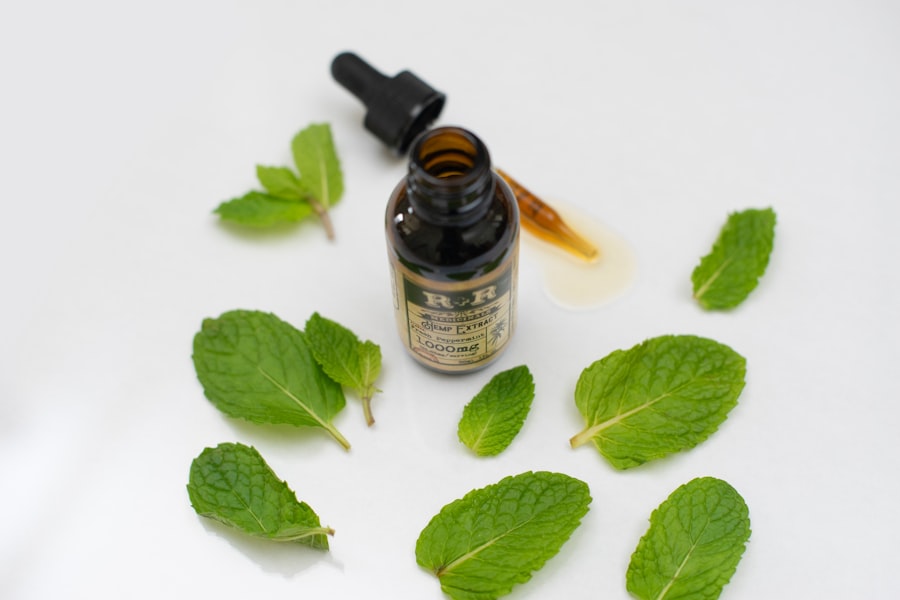
You can’t build a strong house on a weak foundation, and you can’t grow healthy hair on an unhealthy scalp. Peppermint oil’s benefits extend to creating an optimal scalp environment, which is paramount for robust hair growth and retention.
Fighting Dandruff and Scalp Irritation: A Soothing Solution
Dandruff and scalp irritation are not only uncomfortable but can also negatively impact hair growth. An itchy, flaky scalp is often a sign of underlying issues that can impede follicular function. Peppermint oil’s natural antifungal and anti-inflammatory properties can be a game-changer.
Natural Relief from Itching and Flaking
As mentioned earlier, peppermint oil combats the fungi that often cause dandruff. By reducing the presence of these microorganisms, it helps to alleviate the flaking and itching associated with dandruff. The menthol also provides a soothing, cooling sensation that can bring immediate relief to an irritated scalp. This reduction in irritation allows your scalp to heal and become a more nurturing environment for your hair follicles.
Improving Circulation for Nutrient Delivery: Feeding Your Follicles
We’ve touched on this, but it’s worth reiterating because it’s so critical. Better blood circulation means better delivery of the essential building blocks your hair needs. Imagine your hair follicles as tiny mouths that need to be fed. Peppermint oil ensures that the food delivery service is running at peak efficiency.
A Cycle of Health: Circulation Fuels Growth
When your scalp’s capillaries are well-oxygenated and transporting a rich supply of nutrients (vitamins, minerals, proteins), your hair follicles have everything they need to produce strong, healthy hair strands. This improved circulation doesn’t just benefit new growth; it also strengthens existing hair, making it less prone to breakage. This creates a positive feedback loop where a healthy scalp promotes healthy hair, and healthy hair contributes to a healthier-looking scalp.
4. Practical Application: How to Incorporate Peppermint Oil into Your Hair Care Routine
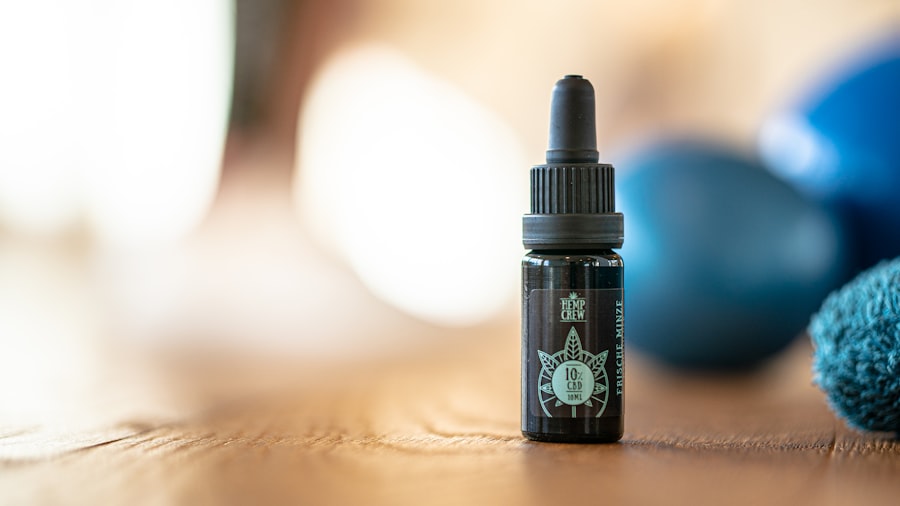
Knowing that peppermint oil is beneficial is one thing; knowing how to use it effectively is another. Fortunately, integrating this potent essential oil into your routine is surprisingly simple and can be done in several ways to suit your preferences. Remember, as an essential oil, it’s potent and needs to be diluted before applying to your skin.
The Carrier Oil Method: Your Go-To Dilution Technique
Never apply undiluted essential oils directly to your scalp. Carrier oils act as a base, diluting the essential oil and allowing for safe and effective application. They also offer their own moisturizing and nourishing benefits.
Popular Carrier Oils and Their Benefits
- Coconut Oil: A highly popular choice, coconut oil is rich in fatty acids that penetrate the hair shaft, providing deep conditioning and reducing protein loss. It’s also naturally antibacterial and moisturizing, making it an excellent companion for peppermint oil.
- Jojoba Oil: This oil is structurally very similar to the natural sebum produced by your scalp, making it easily absorbed and less likely to clog pores. It helps to moisturize the scalp without making it feel greasy.
- Almond Oil: Rich in vitamin E and magnesium, almond oil is a great choice for strengthening hair and protecting it from damage. It’s also good for soothing dry, itchy scalps.
- Olive Oil: A pantry staple that’s also fantastic for hair. Extra virgin olive oil is packed with antioxidants and moisturizing properties, making it effective for dry, brittle hair.
Dilution Ratios for Safety and Efficacy
A good starting point for dilution is a 1-2% concentration. This means for every tablespoon (15 ml) of carrier oil, you would add 3-6 drops of peppermint essential oil. You can adjust this slightly based on your sensitivity and desired potency, but it’s always best to start low and increase gradually.
How to use:
- Mix your chosen carrier oil with the desired number of peppermint oil drops in a small bowl.
- Gently massage the diluted oil into your scalp using your fingertips. Work it in sections to ensure even distribution.
- Leave it on for at least 30 minutes, or ideally, overnight for a deep treatment.
- Wash your hair thoroughly with your regular shampoo and conditioner.
- You can do this 1-3 times a week.
Peppermint Oil in Your Shampoo or Conditioner: An Easy Boost
If you prefer a quicker, more integrated approach, you can add peppermint oil directly to your existing hair products. This is a convenient way to reap the benefits without an extra step.
Enhancing Your Daily Wash
Instead of mixing a separate treatment, you can add a few drops of peppermint essential oil to your shampoo or conditioner bottle.
How to use:
- Pour your desired amount of shampoo or conditioner into your hand.
- Add 1-2 drops of peppermint essential oil.
- Mix it briefly between your hands before applying to your hair.
- Wash and rinse as usual.
Important Note: When adding to a large bottle, be mindful of the concentration. It’s generally recommended to add just a few drops to each individual use rather than mixing a large batch into the entire bottle, as the potency can degrade over time. For consistent results, consider adding to the amount you’ll use in one wash.
Scalp Sprays and Serums: Targeted Application
For those who like a more targeted approach or a leave-in treatment, creating a peppermint oil scalp spray or serum is an excellent option.
DIY Scalp Sprays for Daily Refreshment
- In a clean spray bottle (preferably glass), combine:
- 1/4 cup distilled water
- 1/4 cup witch hazel (alcohol-free is ideal)
- 10-15 drops of peppermint essential oil
- (Optional) A few drops of your preferred carrier oil like jojoba or grapeseed oil for added moisture.
- Shake well before each use to ensure the oils are distributed.
- Lightly mist your scalp, focusing on areas where you want to encourage growth.
- You can leave this in, or gently massage it in and style as usual.
Leave-In Serums for Overnight Treatment
For an intensive overnight treatment, you can create a more concentrated serum.
- In a small dark glass dropper bottle, combine:
- 2 tablespoons of your chosen carrier oil (e.g., jojoba, castor oil)
- 5-10 drops of peppermint essential oil
- Shake well.
- Apply a few drops to your scalp before bed, focusing on thinning areas.
- Massage gently. You can cover your hair with a shower cap or silk scarf.
- Wash your hair in the morning.
Peppermint oil has gained popularity for its potential benefits in promoting hair growth, as it is believed to stimulate blood circulation to the scalp and enhance follicle health. For those interested in exploring holistic approaches to beauty, you might find it beneficial to read about the impact of lifestyle choices on skin health in a related article. This piece discusses how limiting alcohol intake can contribute to a more youthful appearance, which complements the overall theme of natural beauty enhancements. You can check it out here.
5. Important Considerations and Best Practices for Peppermint Oil Use
| Benefit | Details |
|---|---|
| Promotes Hair Growth | Stimulates hair follicles and improves blood circulation to the scalp. |
| Reduces Dandruff | Has antimicrobial properties that can help reduce dandruff and scalp irritation. |
| Strengthens Hair | Helps to strengthen hair roots and prevent hair breakage. |
| Cooling Sensation | Provides a cooling sensation that can soothe the scalp and reduce itchiness. |
While peppermint oil holds immense promise for hair growth, like any potent natural remedy, it’s crucial to use it wisely and with informed caution. Understanding these best practices will ensure you get the most out of this invigorating essential oil while keeping your scalp and hair healthy.
Patch Testing: Your First Line of Defense
Before you slather any new product, especially an essential oil, all over your scalp, it’s vital to perform a patch test. This is a simple yet crucial step to ensure you don’t have an adverse reaction.
How to Conduct a Patch Test
- Dilute a small amount of your peppermint oil mixture (as you would for scalp application) according to the recommended ratios.
- Apply a tiny amount to a discreet area of your skin, such as the inner elbow or behind your ear.
- Wait for 24-48 hours.
- Monitor the area for any signs of redness, itching, burning, swelling, or any other form of irritation.
- If you experience any of these symptoms, discontinue use. If the area remains clear, it’s generally safe to proceed with scalp application.
Frequency and Duration of Use: Finding Your Balance
Consistency is key when it comes to natural remedies, but overdoing it can sometimes be counterproductive. Finding the right balance for peppermint oil use is important.
Listening to Your Scalp’s Needs
As a general guideline, using diluted peppermint oil 1-3 times per week is often sufficient to see results. Your scalp will tell you what it needs. If you experience any dryness or irritation, reduce the frequency. If you feel it’s not enough, you can experiment with slightly higher concentrations (within safe limits) or increased frequency, but always monitor your scalp’s reaction.
Potential Side Effects and Precautions: Staying Informed
While generally safe when used correctly, peppermint oil can cause side effects for some individuals. Being aware of these can help you avoid discomfort.
Sensitivity and Allergic Reactions
Some people are more sensitive to essential oils than others. The intense tingling sensation of peppermint oil can be overwhelming for some, and in rare cases, it can cause an allergic reaction. If you have a history of sensitive skin or allergies, exercise extra caution and perform the patch test diligently.
Avoidance in Certain Situations
- Eyes: Peppermint oil can cause severe irritation if it comes into contact with your eyes. Be very careful during application and rinsing. If contact occurs, rinse immediately with plenty of water and seek medical attention if irritation persists.
- Mucous Membranes: Avoid applying to mucous membranes.
- Children and Pregnant/Nursing Women: While topical application in diluted form is generally considered safe for children over a certain age and pregnant/nursing women, it’s always best to consult with a healthcare professional before use. The intensity of the sensation might be too much for young children.
By following these guidelines and listening to your body, you can confidently incorporate peppermint oil into your hair care regimen and unlock its potential for a healthier, fuller head of hair. Your journey to invigorating hair growth starts with knowledge and careful application.
FAQs
What are the benefits of using peppermint oil for hair growth?
Peppermint oil has been shown to stimulate hair growth by increasing blood circulation to the scalp, promoting hair follicle health, and providing a cooling sensation that can help soothe irritation and inflammation.
How should peppermint oil be used for hair growth?
Peppermint oil can be diluted with a carrier oil, such as coconut or jojoba oil, and massaged into the scalp. It can also be added to shampoos, conditioners, or hair masks for added benefits.
Are there any potential side effects of using peppermint oil for hair growth?
Peppermint oil is generally safe for use on the scalp, but it is important to dilute it properly to avoid skin irritation. Some people may also be sensitive to peppermint oil and experience allergic reactions.
Is there scientific evidence to support the use of peppermint oil for hair growth?
Several studies have shown that peppermint oil can promote hair growth, including a 2014 study published in the Toxicological Research journal that found peppermint oil to be effective in promoting hair growth in mice.
Can peppermint oil be used for all hair types?
Peppermint oil is suitable for use on all hair types, but individuals with sensitive skin or allergies should perform a patch test before using it on their scalp.