Welcome, aspiring hair growth gurus! As your dedicated Listicle Content Architect, I’m here to guide you on a delicious journey to lusher, longer locks. Forget those expensive treatments and unattainable promises; the secret to a healthier, faster-growing mane might be right in your kitchen! Today, we’re diving deep into the Best Foods to Grow Hair Faster, a comprehensive guide designed to empower you with knowledge and, more importantly, incredible meal ideas. Get ready to nourish your body from the inside out, transforming your hair from root to tip. This isn’t just about food; it’s about strategic nourishment, and you, my friend, are about to become the architect of your own hair growth success story!
Let’s kick things off with the absolute cornerstones of hair growth: protein and biotin. Think of protein as the bricks and mortar of your hair’s structure. Each strand is primarily made of a protein called keratin. Without an adequate supply of amino acids, the building blocks of protein, your hair simply can’t regenerate effectively, leading to thinning, breakage, and a noticeable slowdown in growth. Biotin, on the other hand, a B vitamin, plays a crucial role in producing amino acids. It’s also believed to improve the keratin infrastructure of your hair, making it stronger and less prone to damage.
Eggs: The Complete Protein and Biotin Powerhouse
Your humble egg is a dietary superhero for hair. It’s an excellent source of both protein and biotin.
The Protein Profile of Eggs
- Complete Amino Acid Source: Eggs provide all nine essential amino acids your body needs, making them a truly complete protein. This means your body can readily use them to build keratin.
- Rich in Sulfur: Sulfur is a key component of protein, including keratin, and egg yolks are particularly rich in it. This element helps strengthen hair and can even contribute to its natural shine.
Biotin Bonanza in Eggs
- High Biotin Content: Eggs are one of the best dietary sources of biotin. A single large egg can provide a significant portion of your daily recommended intake.
- Synergy with Protein: The biotin in eggs works in tandem with the protein to promote the synthesis of keratin, directly impacting hair strength and growth rate.
Culinary Inspiration with Eggs
- Scrambled for Breakfast: Start your day with a hearty scramble, perhaps with some spinach for extra nutrients.
- Omelets and Frittatas: Load them up with vegetables like bell peppers and onions, which also offer hair-boosting benefits.
- Hard-Boiled Snacks: Keep a batch of hard-boiled eggs in the fridge for a quick, protein-packed snack between meals.
- Shakshuka Delight: Elevate your egg game with a flavorful shakshuka, a dish of eggs poached in a spicy tomato sauce.
Lean Meats: Fuelling Your Follicles with High-Quality Protein
For those who include meat in their diet, lean cuts are a fantastic way to boost your protein intake and support hair growth. Red meat, in particular, offers additional benefits.
The Importance of Lean Protein
- Essential Amino Acids: Similar to eggs, lean meats provide a complete profile of essential amino acids vital for keratin production.
- Muscle and Tissue Repair: Protein is crucial for the repair and regeneration of all tissues, including your hair follicles, ensuring a healthy environment for growth.
Red Meat’s Iron Advantage
- Iron for Oxygen Transport: Red meat is a superb source of iron, a mineral essential for carrying oxygen to your cells, including those in your hair follicles. Iron deficiency (anemia) is a common culprit behind hair loss.
- Ferritin and Hair Cycling: Adequate iron levels are linked to healthy ferritin levels in your blood. Ferritin is a protein that stores iron, and sufficient ferritin is believed to play a role in your hair’s growth cycle.
Smart Choices for Lean Meats
- Chicken and Turkey Breast: Opt for skinless breast for the leanest protein option.
- Lean Beef Cuts: Sirloin, tenderloin, and flank steak are good choices.
- Pork Loin: Another excellent lean option.
Meal Ideas with Lean Meats
- Grilled Chicken Salad: Top a bed of mixed greens with grilled chicken breast, colorful vegetables, and a light vinaigrette.
- Beef Stir-Fry: Use lean beef strips with a variety of vegetables like broccoli, carrots, and snap peas.
- Turkey Meatballs: Serve with a whole-wheat pasta or a hearty lentil dish.
Dairy Products: Calcium, Vitamin D, and Casein for Hair Strength
Full-fat dairy products are not only delicious but also offer a unique combination of nutrients beneficial for hair.
Calcium’s Role in Hair Growth
- Hair Strand Strength: Calcium is believed to play a role in hair strand strength and can aid in the production of hormones that stimulate hair growth.
- Nutrient Absorption: It also aids in the absorption of other vital nutrients.
Vitamin D and Hair Follicles
- Stimulating Dormant Follicles: Vitamin D is thought to help create new hair follicles and can play a role in waking up dormant ones, encouraging new growth.
- Receptor Activity: Hair follicles have Vitamin D receptors, suggesting its importance in hair growth regulation.
Casein Protein: A Slow-Release Amino Acid Source
- Sustained Nutrient Supply: Dairy contains casein, a slow-digesting protein that provides a steady release of amino acids, supporting ongoing hair repair and growth.
Delicious Dairy Options
- Greek Yogurt: A fantastic source of protein and probiotics, which can contribute to overall health, indirectly benefiting hair.
- Cottage Cheese: Another protein-rich option, versatile for both sweet and savory dishes.
- Milk: A good source of calcium and Vitamin D.
- Cheese: Enjoy in moderation as part of a balanced diet.
Incorporating Dairy into Your Diet
- Yogurt Parfaits: Layer Greek yogurt with berries and a sprinkle of nuts or seeds.
- Cottage Cheese Bowls: Top with fruit, a drizzle of honey, or savory herbs and spices.
- Smoothies: Blend milk or yogurt into your morning smoothie for an extra protein boost.
- Cheese as a Topping: Add a sprinkle of your favorite cheese to salads, soups, or omelets.
If you’re looking to enhance your hair growth journey, you might find it beneficial to explore the impact of protective hairstyles on hair health. An insightful article titled “3 Incredible Things That Happened When I Protective Styled with Crochet Braids for 6 Months” delves into the experiences of individuals who have used crochet braids as a protective style. This approach not only helps in retaining length but also minimizes damage, making it a great complement to a diet rich in the best foods to grow hair faster. You can read more about it by following this link: 3 Incredible Things That Happened When I Protective Styled with Crochet Braids for 6 Months.
2. The Antioxidant Army: Protecting Your Scalp and Follicles
Oxidative stress, caused by free radicals, can damage your cells, including those in your hair follicles, hindering growth and leading to premature aging of the hair. Antioxidants are your body’s defense system against this damage. They neutralize free radicals, protecting your scalp and promoting a healthy environment for hair to thrive.
Berries: A Colorful Burst of Antioxidant Power
These vibrant fruits are packed with anthocyanins, powerful antioxidants that give them their stunning colors and offer significant hair benefits.
Anthocyanins and Their Hair Benefits
- Fighting Free Radicals: Anthocyanins are potent antioxidants that combat oxidative stress, protecting hair follicles from damage.
- Improving Scalp Circulation: Some research suggests antioxidants can improve blood circulation to the scalp, ensuring a better supply of nutrients to the follicles.
Vitamin C Richness
- Collagen Production: Berries are also an excellent source of Vitamin C, which is vital for collagen production. Collagen is a protein that strengthens hair and helps prevent it from becoming brittle.
- Iron Absorption: Vitamin C significantly enhances the absorption of iron from plant-based foods, crucial for hair growth.
Top Berry Choices
- Blueberries: Bursting with anthocyanins and Vitamin C.
- Strawberries: Another Vitamin C powerhouse with beneficial antioxidants.
- Raspberries: Offer a good dose of Vitamin C and ellagic acid.
- Blackberries: Packed with antioxidants and a good source of fiber.
Delicious Ways to Enjoy Berries
- Smoothie Staples: Blend into your morning smoothie for a vibrant color and antioxidant boost.
- Yogurt Toppings: Sprinkle generously over Greek yogurt or cottage cheese.
- Salad Enhancements: Add to green salads for a touch of sweetness and complexity.
- Baking Ingredients: Incorporate into muffins, pancakes, or healthy baked goods.
Leafy Greens: A Nutrient-Dense Shield for Your Scalp
Dark leafy greens are nutritional powerhouses, loaded with vitamins, minerals, and antioxidants that are essential for overall health and, by extension, hair growth.
Vitamin A for Sebum Production
- Natural Conditioner: Vitamin A is crucial for cell growth, including hair. It also aids in the production of sebum, an oily substance secreted by your scalp glands. Sebum acts as a natural conditioner, keeping your hair and scalp moisturized and healthy.
- Preventing Dryness: Adequate sebum production prevents hair from becoming dry and brittle.
Folate and Iron for Cell Regeneration
- Red Blood Cell Production: Leafy greens are a good source of folate, which is essential for red blood cell production. Red blood cells deliver oxygen and nutrients to your hair follicles.
- B Complex Benefits: Folate is a B-vitamin, and B-vitamins are generally important for hair health.
Antioxidant Synergy
- Beta-Carotene: Many leafy greens are rich in beta-carotene, which your body converts into Vitamin A. Beta-carotene itself is an antioxidant.
- Lutein and Zeaxanthin: These carotenoids also act as antioxidants, further protecting your scalp.
Prime Leafy Greens for Hair
- Spinach: An excellent source of iron, Vitamin A, folate, and Vitamin C.
- Kale: Packed with vitamins A, C, and K, along with other essential minerals.
- Swiss Chard: Offers a good dose of vitamins A and C, as well as magnesium.
- Arugula: Provides Vitamin A and some Vitamin C.
Culinary Complements and Leafy Greens
- Salad Foundations: Use as the base for your salads, adding other hair-healthy ingredients.
- Smoothie Boosters: Blend a handful into your green smoothies for a nutritional kick.
- Sauteed Sides: Quickly sauté with garlic and olive oil for a flavorful side dish.
- Soups and Stews: Add to your favorite soups, stews, or curries for an extra nutrient boost.
Nuts and Seeds: Tiny Treasures of Vitamins and Minerals
Don’t underestimate the power of these small but mighty snacks. Nuts and seeds are brimming with essential nutrients that support hair health.
Vitamin E: The Scalp Protector
- Antioxidant Shield: Vitamin E is a potent antioxidant that helps protect cells from damage. It’s particularly beneficial for the scalp, helping to prevent oxidative stress.
- Improving Scalp Circulation: Some studies suggest Vitamin E can improve blood circulation to the scalp, enhancing nutrient delivery to hair follicles.
Zinc for Hair Follicle Health
- Cell Growth and Repair: Zinc is a vital mineral that plays a crucial role in hair tissue growth and repair.
- Sebaceous Gland Function: It also helps keep the oil glands around your hair follicles working properly. A deficiency in zinc can lead to hair loss.
Selenium for Thyroid Function
- Essential Trace Mineral: Selenium is an essential trace mineral that plays a role in many bodily functions, including thyroid health. A healthy thyroid is crucial for hair growth.
- Antioxidant Properties: Selenium also acts as an antioxidant.
Nutrient-Rich Nuts and Seeds
- Almonds: A fantastic source of Vitamin E, magnesium, and biotin.
- Walnuts: Contain omega-3 fatty acids, biotin, Vitamin E, and selenium.
- Sunflower Seeds: Packed with Vitamin E, selenium, and zinc.
- Pumpkin Seeds: An excellent source of zinc, iron, and copper.
- Flaxseeds and Chia Seeds: Offer omega-3 fatty acids, fiber, and some protein.
Deliciously Nutty and Seedy Ideas
- Snacking Straight Up: Enjoy a handful of your favorite nuts or seeds for a quick energy boost.
- Trail Mix Creations: Combine various nuts and seeds with dried fruit for a homemade trail mix.
- Toppings Galore: Sprinkle over salads, yogurt, oatmeal, or smoothie bowls.
- Nut Butters: Spread almond or peanut butter on whole-wheat toast or use in smoothies.
- Baked Goods: Incorporate chopped nuts and seeds into muffins, cookies, or bread.
3. The Omega-3 Avengers: Nourishing Your Scalp from Within
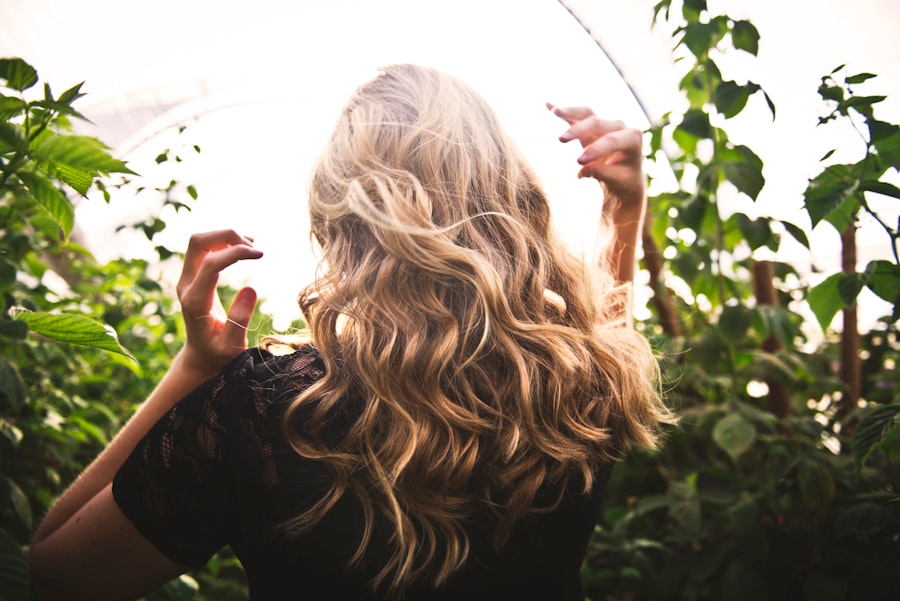
Omega-3 fatty acids are vital for overall health, and their benefits extend to your scalp and hair. These essential fats are not produced by your body, so you must obtain them through your diet. They play a key role in keeping your scalp moisturized and can even help thicken your hair.
Fatty Fish: The Oceanic Source of Omega-3s
When you think of healthy fats, fatty fish should be at the top of your list. They are rich in EPA and DHA, two of the most beneficial types of omega-3s.
The Benefits of EPA and DHA
- Scalp Health and Hydration: Omega-3s help keep your scalp healthy and hydrated by reducing inflammation and promoting better circulation. A healthy scalp is the foundation for healthy hair.
- Hair Thickness and Shine: They can contribute to making your hair appear thicker and more lustrous by nourishing the hair follicles.
- Fighting Dryness and Breakage: By enhancing scalp moisture, omega-3s can help combat dryness and reduce hair breakage.
Top Fatty Fish Choices
- Salmon: An exceptional source of EPA, DHA, protein, and Vitamin D.
- Mackerel: Rich in omega-3s, selenium, and Vitamin B12.
- Herring: Another fish that packs a punch with omega-3s and Vitamin D.
- Sardines: Small but mighty, offering a good source of omega-3s, calcium, and Vitamin D.
Savory Salmon and Sardine Ideas
- Baked Salmon: Season with herbs, lemon, and garlic, then bake until flaky.
- Grilled Mackerel: A simple yet delicious way to enjoy this oily fish.
- Sardine Toast: Mash sardines with lemon juice and a sprinkle of herbs, then spread on whole-wheat toast.
- Salmon Salad: Flake cooked salmon and mix with Greek yogurt, celery, and herbs for a healthy salad.
Flaxseeds and Chia Seeds: Plant-Based Omega-3 Powerhouses
For vegetarians and vegans, or anyone looking to diversify their omega-3 intake, flaxseeds and chia seeds are fantastic options. They primarily contain ALA (alpha-linolenic acid), which your body can convert into EPA and DHA, albeit less efficiently.
ALA’s Contribution to Hair Health
- Inflammation Reduction: ALA has anti-inflammatory properties that can benefit your scalp.
- Nutrient Delivery: By improving scalp health, it indirectly supports nutrient delivery to hair follicles.
Fiber and Lignans
- Digestive Health: Both seeds are rich in fiber, important for overall health.
- Antioxidant Benefits: They also contain lignans, which have antioxidant properties.
Maximizing Omega-3 Absorption from Seeds
- Grind Flaxseeds: Your body can’t easily break down whole flaxseeds. Grinding them before consumption significantly increases your absorption of omega-3s.
Delicious Ways to Use Flaxseeds and Chia Seeds
- Smoothie Additions: Blend into your favorite smoothies.
- Oatmeal and Yogurt Toppers: Sprinkle on your morning oats or yogurt.
- Baked Goods: Incorporate into muffins, breads, and cookies.
- Chia Seed Pudding: A simple and satisfying dessert or breakfast option.
- As an Egg Substitute: Ground flaxseeds mixed with water can be used as an egg binder in vegan baking.
4. The Mineral Mavens: Essential Elements for Structural Integrity
Minerals are often overlooked, but they are critical for the structural integrity and healthy functioning of your hair. Without adequate mineral intake, your hair can become brittle, dull, and prone to shedding.
Iron: The Oxygen Carrier for Your Follicles
As mentioned earlier in the meat section, iron is incredibly important. But for those who don’t eat meat, or for anyone looking to boost their intake, understanding iron sources is key.
Ferrous vs. Ferric Iron
- Heme Iron (Animal Sources): This is more easily absorbed by the body.
- Non-Heme Iron (Plant Sources): Absorption of non-heme iron can be enhanced by Vitamin C.
Iron-Rich Foods Beyond Red Meat
- Lentils and Beans: Excellent plant-based sources of iron, as well as protein.
- Spinach: A well-known source of non-heme iron.
- Tofu and Tempeh: Versatile soy products that offer iron.
- Fortified Cereals: Many breakfast cereals are fortified with iron.
Enhancing Iron Absorption
- Pair with Vitamin C: Always consume iron-rich plant foods with a source of Vitamin C (e.g., bell peppers, citrus fruits) to maximize absorption.
Zinc: The Hair Follicle’s Best Friend
Zinc is a mineral that plays a crucial role in cell growth and repair, including the cells that make up your hair.
Zinc Deficiency and Hair Loss
- Impact on Follicles: A lack of zinc can disrupt the hair growth cycle and lead to hair loss.
- Sebaceous Gland Function: It helps regulate the activity of the sebaceous glands, ensuring proper oil production for scalp health.
Top Zinc Sources
- Oysters: One of the richest sources of zinc available.
- Beef and Lamb: Excellent sources of bioavailable zinc.
- Pumpkin Seeds: A great plant-based option.
- Spinach: Offers a good amount of zinc.
- Lentils and Chickpeas: Provide both iron and zinc.
Selenium: The Thyroid’s Ally for Hair Growth
Selenium is a trace mineral that is vital for the proper functioning of your thyroid gland.
Thyroid Health and Hair Growth
- Hormone Regulation: Your thyroid hormones regulate many metabolic processes, including cell turnover in hair follicles. Imbalances can lead to hair thinning and loss.
- Antioxidant Protection: Selenium acts as an antioxidant, protecting cells from damage.
Selenium-Rich Foods
- Brazil Nuts: Remarkably high in selenium – just one or two can meet your daily needs. Be mindful of overconsumption.
- Fish: Tuna, halibut, and sardines are good sources.
- Eggs: Provide a decent amount of selenium.
- Sunflower Seeds: Another excellent source.
If you’re looking to enhance your hair growth journey, you might find it beneficial to explore the impact of essential nutrients on hair health. A related article discusses the effects of vitamin D and iron deficiency on hair growth, highlighting how these nutrients play a crucial role in maintaining healthy hair. You can read more about this important topic by visiting this article, which provides valuable insights that can complement your understanding of the best foods to grow hair faster.
5. Hydration and Essential Vitamins: The Supporting Cast for Lush Locks
| Food | Nutrient | Benefits |
|---|---|---|
| Salmon | Omega-3 fatty acids | Promotes hair growth and adds shine |
| Eggs | Protein, Biotin | Supports hair growth and strengthens hair |
| Spinach | Vitamin A, C, Iron | Improves scalp health and promotes hair growth |
| Avocado | Vitamin E, Biotin | Moisturizes the scalp and promotes hair growth |
| Sweet Potatoes | Beta-carotene | Supports healthy hair growth and prevents hair loss |
Beyond the foundational nutrients, don’t forget the importance of adequate hydration and a diverse range of essential vitamins that act as the supporting cast, ensuring all the other elements work together effectively for optimal hair growth.
Water: The Unsung Hero of Hair Health
You might not think of water as a “food,” but its role in hair growth is absolutely critical.
Why Hydration Matters for Hair
- Nutrient Transport: Water is essential for transporting nutrients to your hair follicles. Dehydration can impair this process.
- Cellular Function: All cellular functions, including those of your hair cells, rely on adequate hydration.
- Preventing Dryness and Brittleness: Dehydration can lead to dry, brittle hair that is more prone to breakage.
- Scalp Health: A hydrated scalp is a healthy scalp, creating an optimal environment for hair growth.
How Much Water Do You Need?
- General Guideline: Aim for at least 8 glasses (64 ounces) of water per day, and more if you are active or in a hot climate.
- Listen to Your Body: Thirst is a clear indicator that you need to drink.
Vitamin A: For Scalp Sebum and Cell Turnover
We touched on Vitamin A with leafy greens, but its importance warrants its own mention.
Role in Sebum Production
- Natural Conditioning: Vitamin A aids in the production of sebum, which moisturizes the scalp and keeps hair healthy.
- Cell Growth: Essential for cell growth, including the cells that form hair.
Vitamin A-Rich Foods
- Sweet Potatoes: A fantastic source of beta-carotene.
- Carrots: Another beta-carotene powerhouse.
- Spinach and Kale: As mentioned, excellent sources.
- Eggs: Contain preformed Vitamin A.
Vitamin C: The Collagen and Iron Booster
This powerful antioxidant is a multitasking marvel for hair.
Collagen Synthesis
- Hair Structure: Collagen is a protein that provides structure to your hair, making it stronger and more resilient.
- Preventing Brittleness: By supporting collagen production, Vitamin C helps prevent hair from becoming brittle.
Enhancing Iron Absorption
- Crucial for Plant-Based Diets: As noted, Vitamin C significantly improves the absorption of non-heme iron from plant sources.
Vitamin C Packed Foods
- Citrus Fruits: Oranges, grapefruits, lemons.
- Bell Peppers: Especially red and yellow varieties.
- Strawberries and Berries: Delicious and vitamin C rich.
- Broccoli and Brussels Sprouts: Offer a good dose of Vitamin C.
Vitamin D: Wakening Dormant Follicles
Often overlooked, Vitamin D plays a surprising role in hair growth.
Stimulating Follicles
- New Growth Creation: Vitamin D is believed to help create new hair follicles and can reactivate dormant ones.
- Hair Cycle Regulation: It may play a role in regulating the hair growth cycle.
Vitamin D Sources
- Sunlight: Your body produces Vitamin D when exposed to sunlight.
- Fatty Fish: Salmon, mackerel, and sardines.
- Fortified Foods: Many dairy products and cereals are fortified with Vitamin D.
- Egg Yolks: Provide a moderate amount of Vitamin D.
By strategically incorporating these delicious and nutrient-dense foods into your diet, you’re not just eating for pleasure; you’re actively nurturing your hair from the inside out. Remember, consistency is key. Combine these dietary strategies with a healthy lifestyle, and you’ll be well on your way to achieving the faster-growing, healthier, and more vibrant hair you’ve always desired. Happy eating, and happy growing!
FAQs
What are the best foods to grow hair faster?
Some of the best foods to promote hair growth include eggs, berries, spinach, fatty fish, sweet potatoes, avocados, nuts, seeds, and sweet peppers.
How do these foods help in growing hair faster?
These foods are rich in essential nutrients such as protein, vitamins, and minerals that are crucial for hair growth and overall hair health. They provide the necessary building blocks for strong and healthy hair.
Are there any specific nutrients that are important for hair growth?
Yes, nutrients such as protein, biotin, vitamin E, vitamin A, omega-3 fatty acids, and iron are particularly important for promoting hair growth and preventing hair loss.
Can a balanced diet alone promote hair growth?
While a balanced diet is essential for overall health and can contribute to healthy hair growth, other factors such as genetics, hormonal imbalances, and certain medical conditions can also affect hair growth.
Are there any foods that should be avoided for promoting hair growth?
Foods high in sugar, unhealthy fats, and processed ingredients can negatively impact hair health. It’s best to focus on a diet rich in whole, nutrient-dense foods to support hair growth.