You’re looking to transform your tresses, aren’t you? You yearn for that Rapunzel-like length, that enviable thickness that catches every eye. Well, you’ve come to the right place. As your Listicle Content Architect (LCA), I’ve meticulously researched and curated the ultimate guide to fueling your hair’s growth from the inside out. Forget expensive treatments and endless styling products; the real magic often lies in what you put on your plate. Prepare to discover the power of nutrition and unlock your hair’s potential for unprecedented growth and volume.
You might be surprised to learn that your hair, the very strands you admire, is primarily made of a protein called keratin. This means that a consistent intake of quality protein is absolutely fundamental for not just hair growth, but its strength and resilience. Without adequate protein, your body can’t produce enough keratin, leading to weaker, thinner hair and even hair loss. Think of it like trying to build a sturdy house without enough bricks – it’s simply not going to stand tall and strong. You need to ensure your diet is rich in protein sources that your body can efficiently utilize for hair production.
The Importance of Complete Proteins
Not all proteins are created equal. For optimal hair health, you need to focus on “complete” proteins, which contain all nine essential amino acids that your body can’t produce on its own. These amino acids are crucial for repairing and building tissues, including your hair follicles.
- Lean Meats: Chicken, turkey, and lean cuts of beef are excellent sources of complete proteins. They also provide iron, a vital nutrient for hair growth (we’ll get to that later!).
- Fish: Fatty fish like salmon, mackerel, and tuna are not only protein-rich but also packed with omega-3 fatty acids, which are fantastic for your scalp and can contribute to hair thickness.
- Eggs: A true hair-growth superstar! Eggs are a complete protein source and also contain biotin, a B vitamin that’s renowned for its ability to promote hair growth.
- Dairy Products: Greek yogurt, milk, and cheese offer substantial protein. Greek yogurt, in particular, is a great source of casein and whey proteins.
Plant-Based Protein Options for Hair Growth
If you follow a vegetarian or vegan diet, don’t worry! There are plenty of plant-based protein sources that can effectively support your hair growth goals. You’ll need to ensure you’re combining different plant proteins throughout the day to get a full spectrum of amino acids.
- Legumes: Lentils, beans (black beans, kidney beans, chickpeas), and peas are protein powerhouses. They are also rich in iron and zinc, both essential for healthy hair.
- Tofu and Tempeh: These soy-based products are complete protein sources and incredibly versatile in cooking.
- Nuts and Seeds: Almonds, walnuts, chia seeds, and flaxseeds offer not only protein but also healthy fats, vitamins, and minerals that benefit hair.
- Quinoa: This ancient grain is a complete protein and a fantastic alternative to rice or pasta.
If you’re looking to enhance your hair growth journey, you might find it beneficial to explore the article on the importance of hair care practices in maintaining healthy hair. This article, titled “Neatness and the Destruction of Black Hair,” discusses how certain grooming habits can impact hair health and growth. To read more about it, visit this link. Understanding these practices can complement your efforts to grow hair faster and thicker.
2. The Vitamin Voyage: Essential Nutrients for a Lustrous Mane
Vitamins play a supporting role in your hair’s journey to greatness. They are not the direct building blocks, but they are indispensable for the processes that allow your hair to grow, stay strong, and retain its shine. Deficiencies in certain vitamins can significantly hinder your hair’s potential. You need to be aware of which vitamins are your hair’s best friends and actively seek them out in your diet.
Vitamin A: The Scalp’s Secret Weapon
Vitamin A is crucial for cell growth, including the cells that make up your hair. It also helps your scalp produce sebum, an oily substance that moisturizes and protects your hair, preventing dryness and breakage. However, too much vitamin A can be detrimental, so focus on obtaining it through food sources.
- Sweet Potatoes: These vibrant orange tubers are loaded with beta-carotene, which your body converts into vitamin A.
- Carrots: Another stellar source of beta-carotene. Enjoy them raw, steamed, or in soups.
- Spinach and Kale: These leafy greens are packed with vitamins and minerals, including vitamin A.
- Pumpkin: Whether puréed or roasted, pumpkin offers a good dose of vitamin A.
B Vitamins: The Energy and Growth Boosters
The B vitamin complex is a group of essential vitamins that are vital for energy production and cell metabolism, both of which are critical for hair growth. Biotin, in particular, has gained significant fame for its hair-benefitting properties.
- Biotin (Vitamin B7): Often hailed as “the hair vitamin,” biotin plays a crucial role in keratin production. Deficiencies can lead to hair thinning and loss.
- Eggs: As mentioned, eggs are a fantastic source of biotin.
- Nuts and Seeds: Almonds, walnuts, and sunflower seeds are good choices.
- Sweet Potatoes and Avocados: These fruits and vegetables also provide a respectable amount of biotin.
- Other B Vitamins (B12, Folate, B6): These work synergistically to support red blood cell formation, which carries oxygen and nutrients to your hair follicles.
- Whole Grains: Brown rice, oats, and barley are rich in various B vitamins.
- Leafy Greens: Spinach, romaine lettuce, and other greens provide folate.
- Meat and Fish: Excellent sources for B12.
Vitamin C: The Antioxidant Ally
Vitamin C is a powerful antioxidant that protects your hair follicles from damage caused by free radicals. It also plays a vital role in collagen production, a protein that strengthens hair and helps to prevent breakage. Furthermore, vitamin C aids in iron absorption, which is crucial for hair growth.
- Citrus Fruits: Oranges, grapefruits, lemons, and limes are iconic sources of vitamin C.
- Berries: Strawberries, blueberries, raspberries, and blackberries are bursting with this essential vitamin.
- Bell Peppers: Especially red and yellow varieties, these are surprisingly high in vitamin C.
- Broccoli and Brussels Sprouts: These cruciferous vegetables offer a good dose of vitamin C and other nutrients.
Vitamin D: The Follicle Activator
Vitamin D plays a role in creating new hair follicles, the tiny pores from which new hairs grow. While sunlight is a primary source, your diet can also contribute.
- Fatty Fish: Salmon, mackerel, and herring are excellent dietary sources.
- Fortified Foods: Many milk, orange juice, and cereal brands are fortified with vitamin D.
- Mushrooms: Certain types of mushrooms, especially those exposed to UV light, can provide vitamin D.
Vitamin E: The Scalp Soother
Vitamin E is another potent antioxidant that can help combat oxidative stress on your scalp, promoting a healthier environment for hair growth. It can also improve blood circulation to the scalp.
- Nuts and Seeds: Almonds, sunflower seeds, and hazelnuts are packed with vitamin E.
- Spinach: Another win for this leafy green powerhouse.
- Avocado: This creamy fruit is a great source of vitamin E and healthy fats.
3. The Mineral Marvels: The Foundation of Strong Strands
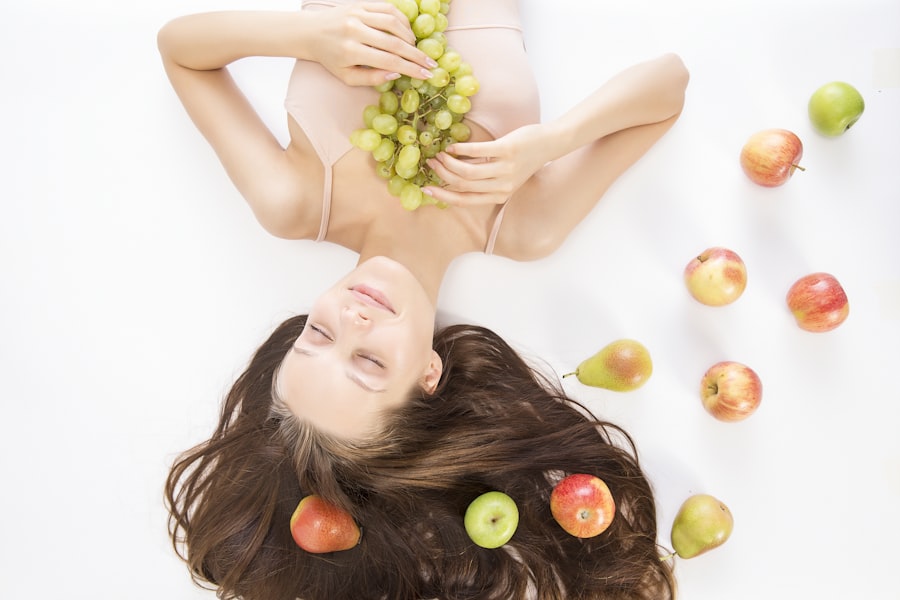
Minerals might not have the spotlight like vitamins, but they are the unsung heroes of hair health. They are the fundamental elements that provide structure, strength, and vital functions within your hair follicles. Neglecting these can lead to brittle hair, slow growth, and even hair loss. You need to ensure your diet is a rich buffet of these essential minerals.
Iron: The Oxygen Carrier for Hair Follicles
Iron is absolutely critical for healthy hair growth. It’s a key component of hemoglobin, the protein in your red blood cells that carries oxygen throughout your body, including to your hair follicles. A lack of iron (anemia) is a common cause of hair thinning and loss, especially in women.
- Red Meat: Lean beef and lamb are excellent sources of heme iron, which is easily absorbed by the body.
- Spinach and Other Leafy Greens: While containing non-heme iron (less easily absorbed), these are still valuable sources.
- Lentils and Beans: A fantastic plant-based iron source.
- Fortified Cereals: Many breakfast cereals are fortified with iron.
- Oysters and Shellfish: If you eat seafood, these are incredibly rich in iron.
Zinc: The Hair Tissue Builder and Repairer
Zinc is indispensable for hair tissue growth and repair. It also helps to keep the oil glands around your hair follicles working properly, preventing dryness and dandruff. A deficiency in zinc can lead to hair loss.
- Oysters: Consistently ranked as one of the richest sources of zinc.
- Beef and Lamb: Red meats are good providers of zinc.
- Pumpkin Seeds: A delicious and effective way to boost your zinc intake.
- Lentils and Chickpeas: Offer a good dose of zinc for vegetarians and vegans.
- Eggs: Another versatile food supporting your zinc needs.
Selenium: The Antioxidant Defender
Selenium is a trace mineral that acts as a powerful antioxidant, protecting your hair from damage. It also plays a role in the production of hormones that are important for hair growth.
- Brazil Nuts: Just a few Brazil nuts a day can provide your recommended daily intake of selenium. Be mindful not to overdo it, as excessive selenium can be toxic.
- Fish: Tuna, halibut, and sardines are good sources.
- Eggs: A consistent contributor to selenium intake.
- Sunflower Seeds: Offer a decent amount of this important mineral.
Magnesium: The Protein Synthesizer
Magnesium is involved in over 300 biochemical reactions in your body, including protein synthesis. Since hair is made of protein, magnesium’s role in this process makes it vital for hair growth and strength.
- Dark Leafy Greens: Spinach, kale, and Swiss chard are excellent choices.
- Nuts and Seeds: Almonds, cashews, pumpkin seeds, and chia seeds are rich in magnesium.
- Whole Grains: Brown rice, quinoa, and whole wheat bread contribute to your magnesium intake.
- Dark Chocolate: A delicious treat that’s also a good source of magnesium (opt for higher cacao content).
4. The Fatty Acid Fix: Nourishing Your Scalp and Strands
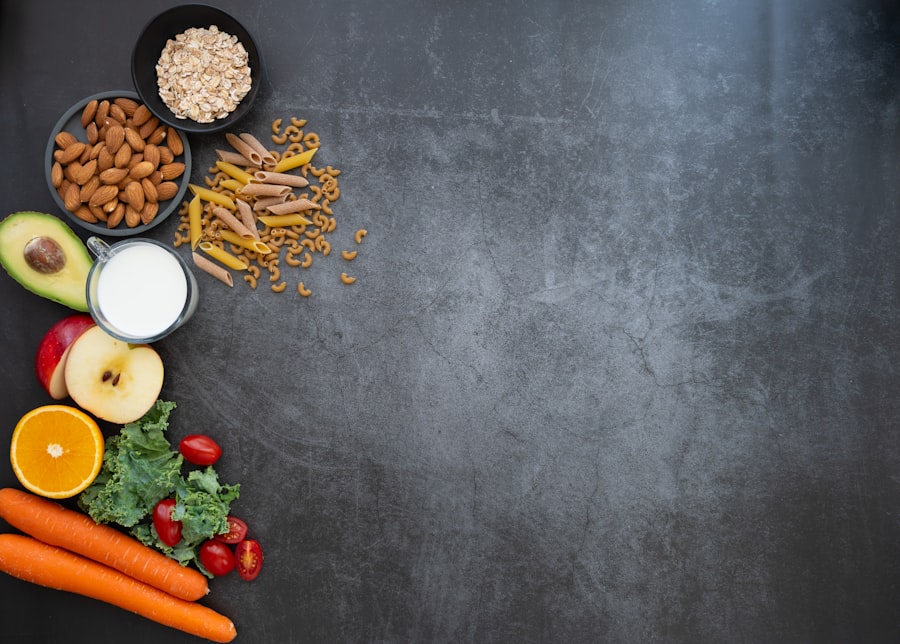
Healthy fats might sound counterintuitive when you’re thinking about hair growth, but they are incredibly important for both your scalp’s health and the overall condition of your hair. These essential fatty acids play a crucial role in keeping your hair hydrated, preventing breakage, and even contributing to thickness. Think of them as the lubricants that keep your hair functioning optimally.
Omega-3 Fatty Acids: The Inflammation Fighters and Shine Enhancers
Omega-3 fatty acids are renowned for their anti-inflammatory properties, which can help to soothe a dry, itchy scalp and create a healthier environment for hair follicles. They also contribute to hair’s shine and can help to alleviate scalp conditions that might hinder growth.
- Fatty Fish: Salmon, mackerel, herring, and sardines are the undisputed champions of omega-3s. Aim for at least two servings per week.
- Flaxseeds and Chia Seeds: Excellent plant-based sources of omega-3s. Grind flaxseeds for better absorption, and you can add chia seeds to smoothies, yogurt, or make chia pudding.
- Walnuts: A tasty snack that also delivers a good dose of omega-3s.
Omega-6 Fatty Acids: The Complementary Partners
While omega-3s often get the spotlight, omega-6 fatty acids are also essential for hair health, working in conjunction with omega-3s. The key is to maintain a healthy balance between the two.
- Vegetable Oils: Sunflower oil, corn oil, and soybean oil are common sources of omega-6s.
- Nuts and Seeds: Many nuts and seeds are good sources of omega-6s.
Monounsaturated Fats: The Hydration Heroes
Monounsaturated fats are another type of healthy fat that can contribute to hair hydration and softness. They help to maintain the integrity of your hair’s cuticles.
- Avocado: As you’ve seen, avocado is a superstar for hair health, offering healthy fats, vitamins, and minerals.
- Olive Oil: Extra virgin olive oil is a staple for healthy fats and can be used in cooking or as a salad dressing.
- Nuts: Almonds and pecans are good sources of monounsaturated fats.
If you’re looking to enhance your hair growth, you might find it beneficial to explore the various foods that can promote faster and thicker hair. Incorporating nutrient-rich options into your diet can make a significant difference. For more specific tips on hair growth, you can check out this insightful article on how to grow an afro faster, which provides additional strategies that complement the best foods to grow hair faster and thicker. To read more, visit how to grow an afro faster.
5. The Hydration and Antioxidant Harmony: For a Vibrant and Resilient Head of Hair
| Food | Nutrient | Benefits |
|---|---|---|
| Salmon | Omega-3 fatty acids | Promotes hair growth and adds shine |
| Eggs | Protein, Biotin | Supports hair growth and strengthens hair |
| Spinach | Vitamin A, Iron | Improves scalp health and aids in hair growth |
| Avocado | Vitamin E, Biotin | Moisturizes the scalp and promotes hair growth |
| Sweet Potatoes | Beta-carotene | Supports healthy hair growth and prevents hair loss |
Beyond specific nutrients, maintaining overall hydration and bombarding your body with antioxidants are crucial for supporting your hair’s growth cycle and protecting it from damage. Think of this as the holistic approach to ensuring your hair thrives.
Water: The Unsung Hero of All Bodily Functions
It might sound basic, but proper hydration is non-negotiable for healthy hair. Water is essential for transporting nutrients to your hair follicles and for keeping your scalp moisturized. Dehydration can lead to brittle, dry hair that’s prone to breakage.
- Drink Plenty of Water: Aim for at least eight glasses (or more, depending on your activity level and climate) of pure water throughout the day.
- Water-Rich Foods: Fruits and vegetables like watermelon, cucumbers, and strawberries contribute to your daily fluid intake.
Antioxidant-Rich Foods: The Free Radical Fighters
Free radicals are unstable molecules that can damage cells, including those in your hair follicles. Antioxidants help to neutralize these harmful molecules, protecting your hair from damage and promoting a healthier growth environment.
- Berries: As mentioned for vitamin C, berries are packed with various antioxidants, including anthocyanins, which can contribute to hair health.
- Dark Chocolate: Rich in flavonoids, powerful antioxidants that can improve blood flow to the scalp.
- Green Tea: Contains polyphenols, which are potent antioxidants that can benefit hair health.
- Colorful Fruits and Vegetables: The vibrant colors in fruits and vegetables often indicate the presence of a wide range of antioxidants. Think of a rainbow on your plate!
- Spices: Turmeric, ginger, and cinnamon are not only flavorful but also loaded with antioxidant and anti-inflammatory properties.
By incorporating these nutrient-dense foods into your daily diet, you’re not just eating for pleasure; you’re actively nourishing your hair from within. This is the foundation upon which you can build stronger, thicker, and faster-growing hair. Remember, consistency is key. Embrace these dietary changes, and you’ll be well on your way to achieving the luscious locks you desire.
FAQs
What are the best foods to promote hair growth?
Some of the best foods to promote hair growth include eggs, berries, spinach, fatty fish, sweet potatoes, avocados, nuts, seeds, and sweet peppers. These foods are rich in essential vitamins and nutrients that support hair health.
How do these foods help in growing hair faster and thicker?
These foods are rich in vitamins and nutrients such as biotin, vitamin E, vitamin A, omega-3 fatty acids, and antioxidants, which are essential for promoting hair growth, preventing hair loss, and improving hair thickness and strength.
Are there any specific nutrients that are essential for hair growth?
Yes, some essential nutrients for hair growth include biotin, vitamin E, vitamin A, omega-3 fatty acids, and antioxidants. These nutrients play a crucial role in promoting hair growth, preventing hair loss, and improving hair thickness and strength.
Can a balanced diet alone promote hair growth?
While a balanced diet is essential for overall health, promoting hair growth may also require the use of hair care products, maintaining good hair hygiene, and addressing any underlying health issues that may be contributing to hair loss.
Are there any foods that should be avoided for healthy hair growth?
Foods high in sugar, unhealthy fats, and processed ingredients can negatively impact hair health. It’s best to limit the consumption of these foods and focus on a diet rich in fruits, vegetables, lean proteins, and healthy fats for optimal hair growth.