You’ve landed on the ultimate guide to scalp massage for hair regrowth, a space where skepticism meets the undeniable power of touch. As your Listicle Content Architect, I’m here to pull back the curtain on the real-life transformations, the journeys of individuals who have experienced “Scalp Massage Success Stories: Hair Regrowth.” This isn’t about quick fixes or miracle cures whispered in hushed tones. It’s about the consistent, mindful practice of scalp massage and the astonishing results it can yield.
You’re probably here because you’ve noticed thinning hair, or perhaps you’re experiencing a more significant loss, and you’re searching for natural, accessible solutions. You’ve likely heard whispers about scalp massages promoting hair growth, but you want more than just anecdotes. You crave proof, tangible evidence, and the inspiration to embark on your own journey.
This listicle is meticulously crafted to provide you with precisely that. We’ll delve into the science behind why scalp massage works, dissect its mechanisms, and most importantly, showcase the powerful stories of those who have witnessed its positive impact on their hair. Get ready to be inspired, informed, and empowered to take control of your hair’s destiny.
You might be wondering, “How can simply massaging my head actually make my hair grow?” It sounds almost too simple, doesn’t it? But the science behind scalp massage is surprisingly robust, rooted in the fundamental processes of biology and physiology. It’s not magic; it’s applied mechanics.
1.1 Enhanced Blood Circulation: Delivering Vital Nutrients to the Follicles
This is arguably the most crucial benefit of scalp massage. When you gently yet firmly massage your scalp, you’re essentially increasing blood flow to the hair follicles. Think of your hair follicles as tiny powerhouses that need a constant supply of nutrients to function optimally.
- The Mechanism: Massage compresses and then releases the blood vessels within the scalp. This action creates a vacuum effect, drawing more oxygenated blood and essential nutrients – such as vitamins, minerals, and proteins – to the dermal papilla, the crucial structure at the base of each hair follicle responsible for hair growth.
- The Impact: With improved circulation, the hair follicles receive the nourishment they need to enter and remain in the anagen (growth) phase of the hair cycle. This can lead to stronger, healthier hair and, over time, thicker hair density. Many individuals experiencing hair thinning often have compromised blood flow to the scalp, and massage directly addresses this limitation.
1.2 Increased Cellular Activity and Collagen Production: Building a Stronger Foundation
Beyond just nutrients, scalp massage also plays a role in stimulating cellular activity within the scalp and promoting the production of collagen, a vital protein for skin and tissue health.
- The Mechanism: The physical manipulation of the scalp during massage can stimulate fibroblasts, the cells responsible for producing collagen and elastin. This increased cellular activity can lead to a healthier, more robust scalp environment. Collagen provides structural support to the skin, and a stronger scalp can better anchor hair follicles.
- The Impact: A scalp rich in collagen and with active fibroblasts is more resilient and better equipped to support healthy hair growth. It creates a more favorable environment for hair follicles to thrive, reducing the likelihood of premature shedding and promoting the production of new, healthier hair strands.
1.3 Stress Reduction and Cortisol Regulation: The Mental-Physical Connection
You might not immediately link stress to hair loss, but the connection is significant. Chronic stress can elevate cortisol levels, a hormone that can negatively impact hair growth. Scalp massage is a powerful stress reliever.
- The Mechanism: The simple act of gentle touch and rhythmic massage is inherently calming. It can activate the parasympathetic nervous system, promoting relaxation and reducing the body’s stress response. This, in turn, can help lower cortisol levels.
- The Impact: By reducing stress and cortisol, you create a more harmonious internal environment for hair growth. A less stressed body is better able to allocate resources to essential functions like hair regeneration. Many individuals report not only improved hair but also a general sense of well-being and reduced anxiety after incorporating regular scalp massages into their routine.
1.4 Dermal Papilla Stimulation: Directly Encouraging Follicle Activity
The dermal papilla is the tiny cluster of cells at the base of each hair follicle that acts as the “brain” of hair growth. Scalp massage directly stimulates these cells.
- The Mechanism: The pressure and movement involved in scalp massage are thought to exert direct mechanical stimulus on the dermal papilla. This stimulation signals the cells to initiate or continue the hair growth cycle. It’s like giving a gentle nudge to wake up dormant follicles or encourage active ones to work harder.
- The Impact: This direct stimulation can lead to an increase in the number of active hair follicles and a longer growth phase for individual hairs. Over time, this translates to a visible increase in hair density and thickness.
If you’re interested in exploring more about natural methods that promote hair health, you might find the article on natural ingredients for wrinkle reduction particularly insightful. While it primarily focuses on skincare, many of the ingredients discussed can also contribute to overall scalp health, potentially enhancing hair regrowth. You can read more about it here: Natural Ingredients for Wrinkle Reduction.
2. Real Stories, Real Growth: Inspiring Testimonials from the Community
This section is where the magic truly comes alive. You’re about to hear from individuals who have navigated the often-frustrating landscape of hair thinning and discovered a powerful ally in scalp massage. These are not abstract theories; these are lived experiences, documented with dedication and often shared with immense gratitude.
2.1 “From Patchy to Plentiful: Sarah’s Journey to Thicker Hair”
Sarah, a 32-year-old graphic designer, had been struggling with noticeable thinning along her hairline for years. She attributed it to genetics and stress from her demanding job. After trying various over-the-counter products with little success, she stumbled upon an article about scalp massage for hair growth. Skeptical but hopeful, she committed to a 10-minute daily scalp massage using a few drops of rosemary essential oil mixed with a carrier oil.
- Her Routine: Sarah dedicated 10 minutes each morning and evening to a gentle, circular massage of her entire scalp. She focused on applying firm but not painful pressure, ensuring she covered all areas.
- The Transformation: Within three months, Sarah began to notice a difference. Her hairline, which had been receding, started to show new, fine hairs. After six months, these new hairs had thickened considerably, and she could discern a significant improvement in overall hair density. She described it as feeling like her hair had “come back to life.”
- Her Advice: “Don’t give up! Consistency is key. And don’t be afraid to experiment with oils like rosemary or peppermint. It made the experience feel more luxurious and, I believe, amplified the results.”
2.2 “Mark’s Battle with Alopecia: Finding Renewed Confidence”
Mark, a 45-year-old teacher, was diagnosed with alopecia areata, which resulted in bald patches on his scalp. He felt a significant loss of confidence and a sense of hopelessness. Conventional treatments had yielded mixed results. He decided to incorporate scalp massage as a complementary therapy.
- His Approach: Mark used an electric scalp massager for 15 minutes daily, focusing on the areas affected by alopecia. He also incorporated gentle manual massage with lavender essential oil for its calming properties.
- The Results: Over a year of consistent massage, Mark witnessed a remarkable regrowth of hair in the previously bald areas. While the texture of the new hair was initially finer, it gradually thickened, and the patches became less noticeable. He attributes the renewed growth directly to the increased blood flow and stimulation to his scalp.
- His Perspective: “It’s not just about hair; it’s about regaining a part of myself I thought was lost. The massage was a small daily ritual that made a huge difference, not just physically but emotionally. I felt like I was actively doing something positive for myself.”
2.3 “The DIY Diva: Emily’s Experience with Natural Oils and Massage”
Emily, a freelance artist in her late 20s, noticed her once-thick hair thinning due to dietary changes and hormonal fluctuations. She was passionate about natural remedies and sought a holistic approach to hair regrowth.
- Her Method: Emily created her own hair oil blend with castor oil, coconut oil, and a few drops of peppermint and lavender essential oils. She applied this oil to her scalp 2-3 times a week before bed and performed a vigorous scalp massage for 15 minutes. She washed it out in the morning.
- Her Success: Within four months, Emily observed a significant decrease in hair shedding and a noticeable increase in the softness and strength of her hair. She also started seeing a “baby fuzz” of new hair growth along her parting, which gradually filled in. She credits the combination of nutrient-rich oils and the mechanical stimulation of the massage.
- Her Enthusiasm: “I love that this is something I can do in the comfort of my own home, using ingredients I trust. The massage feels amazing, and the results have been beyond my expectations. My hair feels healthier and looks fuller than it has in years.”
3. The Art and Science of the Perfect Scalp Massage Technique
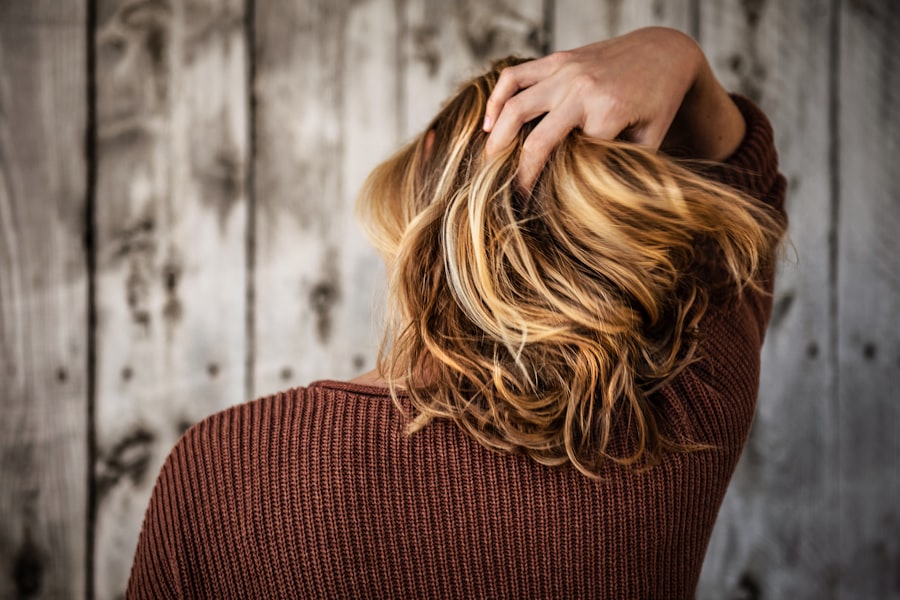
Simply running your fingers through your hair won’t cut it. To achieve “Scalp Massage Success Stories: Hair Regrowth,” you need to understand and implement effective techniques. It’s a blend of understanding your scalp’s anatomy and applying mindful pressure.
3.1 Understanding Your Scalp: Key Areas to Focus On
Your scalp is a complex canvas, and different areas may require slightly different attention.
- The Crown: This is often an area where thinning is most apparent. Focus on gentle but firm circular motions here, ensuring you reach the very top of your head.
- The Temples: The area above your ears can also benefit from targeted massage. Use your fingertips to apply pressure in small circles, moving upwards along the hairline.
- The Nape of Your Neck: The back of your head is crucial for blood circulation. Use the pads of your fingers or the heels of your palms to create sweeping motions, moving from the base of your skull upwards towards the crown.
- The Frontal Hairline: Pay special attention to the hairline where you might be experiencing recession. Gently tugging and massaging along this area can be beneficial.
3.2 Fingertip Finesse: Mastering Pressure and Motion
The way you apply pressure and move your fingers is paramount to effective scalp massage.
- Gentle but Firm Pressure: You want to feel that you’re stimulating the scalp, but you should not experience any pain. If you feel discomfort, ease up the pressure. The goal is to reach the blood vessels beneath the surface.
- Circular Motions: This is your go-to technique. Use the pads of your fingers (not your fingernails) and make small, deliberate circles. Ensure you’re moving the scalp itself, not just your fingers over the scalp.
- Kneading and Tapping: Incorporate some gentle kneading motions, as if you’re working dough, especially on thicker areas of the scalp. Light tapping with your fingertips can also be invigorating.
- Long, Sweeping Strokes: From the nape of your neck up to your crown, and from your temples towards the crown, use broader, sweeping motions to encourage overall blood flow.
3.3 Incorporating Essential Oils: Enhancing the Experience
While pure scalp massage is effective, incorporating certain essential oils can amplify the benefits. These oils are not only aromatic but also possess properties that can further aid hair growth.
- Rosemary Essential Oil: Widely recognized for its ability to stimulate hair follicles and improve circulation, rosemary oil is a staple in DIY hair regrowth treatments.
- Peppermint Essential Oil: Known for its invigorating and circulation-boosting properties, peppermint oil can create a tingling sensation that signifies increased blood flow. Always dilute it significantly, as it can be potent.
- Lavender Essential Oil: Beyond its calming scent, lavender oil has properties that can promote cell growth and has antimicrobial effects, contributing to a healthier scalp.
- Cedarwood Essential Oil: Studies suggest cedarwood oil can stimulate hair follicles and help balance oil production on the scalp.
- Carrier Oil is Essential: Never apply essential oils directly to your scalp. Always dilute them with a carrier oil such as:
- Coconut Oil: Nourishing and readily absorbed.
- Jojoba Oil: Mimics the scalp’s natural sebum production.
- Argan Oil: Rich in vitamins and antioxidants.
- Almond Oil: Lightweight and moisturizing.
- Dilution Ratio Recommendation: Aim for a 1-2% dilution. For example, for every tablespoon (about 15ml) of carrier oil, add 3-6 drops of essential oil.
4. Beyond the Massage: Complementary Lifestyle Factors for Hair Regrowth
While scalp massage is a powerful tool, achieving optimal “Scalp Massage Success Stories: Hair Regrowth” often involves a holistic approach. Think of it as building a supportive ecosystem for your hair.
4.1 Nutrition: Fueling Your Hair from Within
What you eat directly impacts the health and growth of your hair. A balanced diet provides the building blocks for strong, lustrous locks.
- Protein Powerhouses: Hair is primarily made of protein (keratin). Ensure you’re consuming adequate amounts from sources like lean meats, fish, eggs, beans, and lentils.
- Vitamins and Minerals:
- Biotin (B7): Often touted for hair health, it’s found in eggs, nuts, and sweet potatoes.
- Iron: Essential for oxygen transport to the scalp. Good sources include red meat, spinach, and fortified cereals.
- Zinc: Plays a role in hair tissue growth and repair. Found in oysters, beef, pumpkin seeds, and lentils.
- Vitamins A, C, and D: Important for cell growth, collagen production, and nutrient absorption. Abundant in fruits, vegetables, and fatty fish.
- Healthy Fats: Omega-3 fatty acids, found in fatty fish, flaxseeds, and walnuts, can contribute to a healthier scalp and hair.
4.2 Hydration: The Unsung Hero of Healthy Hair
Water is crucial for every bodily function, including hair growth. Dehydration can lead to brittle hair and a dry scalp.
- Adequate Intake: Aim for at least 8 glasses of water per day, and more if you’re physically active or in a hot climate.
- Internal Moisturization: Proper hydration helps to maintain the elasticity of your hair strands and keeps your scalp healthy and supple, allowing for better nutrient absorption during massage.
4.3 Stress Management: A Calm Mind for a Healthy Scalp
As mentioned earlier, stress can be a major enemy of hair growth. Incorporating stress-reducing practices is vital.
- Mindfulness and Meditation: Regular practice can significantly lower cortisol levels. Even 5-10 minutes a day can make a difference.
- Yoga and Deep Breathing Exercises: These techniques promote relaxation and a sense of calm.
- Adequate Sleep: Aim for 7-9 hours of quality sleep per night. Sleep is when your body repairs and regenerates itself, including hair follicles.
- Hobbies and Relaxation: Make time for activities you enjoy that help you unwind and de-stress.
4.4 Gentle Hair Care Practices: Avoiding Further Damage
Harsh hair care routines can counteract the benefits of your scalp massage.
- Limit Heat Styling: Excessive use of blow dryers, straighteners, and curling irons can damage hair strands and stress the follicles.
- Avoid Tight Hairstyles: Braids, ponytails, and buns that pull too tightly can lead to traction alopecia.
- Use Mild Shampoos and Conditioners: Opt for sulfate-free and paraben-free products that are gentle on your scalp.
- Gentle Combing and Brushing: Use a wide-tooth comb on wet hair and a boar bristle brush on dry hair to minimize breakage.
Many individuals seeking to enhance their hair growth have found success through various methods, including scalp massage. These techniques not only promote relaxation but also stimulate blood circulation to the hair follicles, potentially leading to improved regrowth. For those interested in exploring other aspects of hair care, a related article discusses the growth rate of dreadlocks, which can provide valuable insights into hair development. You can read more about it in this informative piece on how fast dreads grow in a year.
5. The Long Game: Patience, Consistency, and Realistic Expectations
| Client Name | Age | Duration of Massage | Regrowth Results |
|---|---|---|---|
| Emily | 28 | 3 months | Noticeable regrowth in thinning areas |
| Michael | 35 | 6 months | Significant improvement in hair density |
| Sarah | 42 | 4 months | Visible reduction in hair loss and new growth |
Achieving “Scalp Massage Success Stories: Hair Regrowth” is not an overnight phenomenon. It requires dedication, patience, and a clear understanding of what to expect.
5.1 The Hair Growth Cycle: Understanding the Timeline
Your hair doesn’t grow uniformly. It follows a natural cycle, and it takes time to see significant results from any intervention, including scalp massage.
- Anagen (Growth) Phase: This is the active growing phase, which can last anywhere from 2 to 6 years.
- Catagen (Transitional) Phase: A short phase where hair stops growing.
- Telogen (Resting) Phase: The hair follicle rests before shedding. This phase lasts about 3 months.
- New Growth: After the telogen phase, new hair begins to grow from the follicle.
This means that any changes you initiate, like scalp massage, will take time to manifest as visible new hair growth. You need to allow enough time for dormant follicles to activate and for new hairs to complete their initial growth cycle.
5.2 Consistency is King: Making it a Ritual
The success stories you’ve read are not born from occasional massages. They are the result of consistent, regular practice.
- Daily Commitment: Aim for at least 5-10 minutes of scalp massage daily. This can be done in the morning, before bed, or even during a break at work.
- Integrating into Your Routine: Find a time that works for you and stick to it. Make it as non-negotiable as brushing your teeth.
- Don’t Get Discouraged: There will be days when you might not feel like it, but pushing through those moments is what builds the habit and leads to results.
5.3 Realistic Expectations: It’s a Journey, Not a Destination
Scalp massage is a powerful natural method for promoting hair regrowth, but it’s important to have realistic expectations.
- Not a Miracle Cure: While it can yield significant results, it may not regrow hair on completely bald scalps where follicles are permanently damaged.
- Individual Variation: Every person’s body is different, and results can vary. What works wonders for one person might be slightly less impactful for another.
- Complementary Approach: For optimal results, combine scalp massage with a healthy diet, stress management, and gentle hair care.
- Focus on Progress, Not Perfection: Celebrate small victories. Notice improvements in hair thickness, reduced shedding, and a healthier scalp. These are all indicators that your efforts are paying off.
By embracing patience, committing to consistency, and maintaining realistic expectations, you are setting yourself up for your own “Scalp Massage Success Story: Hair Regrowth.” You have the knowledge, and now you have the inspiration. It’s time to take that knowledge and transform it into action. Your journey to healthier, thicker hair starts with the simple yet profound act of touching your own scalp with intention and care.
FAQs
What is scalp massage?
Scalp massage is a technique that involves applying pressure to the scalp using the fingertips or a massage tool. It is often used to promote relaxation and improve blood circulation to the scalp.
How does scalp massage promote hair regrowth?
Scalp massage can help promote hair regrowth by increasing blood flow to the hair follicles, which can stimulate hair growth. It can also help to reduce stress and tension, which are known to contribute to hair loss.
Are there any success stories of scalp massage leading to hair regrowth?
There are anecdotal reports of individuals experiencing hair regrowth after incorporating scalp massage into their hair care routine. However, more research is needed to determine the effectiveness of scalp massage for hair regrowth.
How often should scalp massage be done for hair regrowth?
There is no set frequency for scalp massage, but it is generally recommended to massage the scalp for a few minutes each day. Some individuals may choose to incorporate scalp massage into their regular hair care routine, such as during shampooing or applying hair oil.
Are there any risks or side effects associated with scalp massage for hair regrowth?
Scalp massage is generally considered safe, but it is important to use gentle pressure to avoid causing damage to the hair or scalp. Individuals with certain scalp conditions, such as scalp psoriasis or eczema, should consult with a healthcare professional before incorporating scalp massage into their routine.