You’re tired of seeing sparse patches or feeling like your hair just isn’t thriving. You’ve heard the buzz about organic hair growth oils, and you’re ready to dive in. But with so many options, where do you even begin? Fear not, because as your Listicle Content Architect (LCA), I’m here to guide you through the lush landscape of the best organic hair growth oils. This isn’t just about a quick fix; it’s about nourishing your scalp and follicles from the roots up, encouraging healthy, vibrant hair growth naturally. Forget harsh chemicals and synthetic ingredients; we’re talking about the power of nature, bottled. Get ready to transform your hair care routine and unlock your hair’s true potential.
Before we plunge into the specific oils, it’s crucial to grasp why they work. Your scalp is a living ecosystem, and the health of your hair is directly linked to the health of your follicles. Organic hair growth oils are brimming with vitamins, minerals, essential fatty acids, and antioxidants that create an optimal environment for hair regeneration. They penetrate the scalp, delivering nutrients that strengthen hair strands, reduce inflammation, improve circulation, and even combat factors that can lead to hair thinning and loss. This isn’t magic; it’s science, harnessed from the earth.
The Role of Nutrient Absorption
Your scalp’s ability to absorb nutrients is paramount. The oils we’ll discuss are formulated with lipid-soluble compounds that can easily permeate the stratum corneum, the outermost layer of your skin. Once absorbed, these nutrients can reach the hair follicles, the tiny structures responsible for producing new hair. Think of it as fertilizing a garden; you need to get the nutrients to the roots for healthy growth.
Addressing Scalp Health: The Foundation of Growth
A healthy scalp is the bedrock of healthy hair. Many common causes of hair thinning, such as dandruff, inflammation, and dryness, can hinder growth. Organic oils often possess anti-inflammatory, antifungal, and antibacterial properties that soothe the scalp, reduce irritation, and create a balanced environment. This allows your follicles to function optimally without the hindrance of scalp issues.
Stimulating Blood Circulation
For hair follicles to receive the nourishment they need, blood flow to the scalp is essential. Many organic oils, particularly those with invigorating properties like peppermint or rosemary, can stimulate microcirculation in the scalp. Increased blood flow means a more robust supply of oxygen and nutrients to the hair follicles, encouraging them to produce stronger, thicker hair.
The Power of Antioxidants and Anti-Inflammatories
Free radical damage and inflammation can contribute to premature aging of the hair follicles and hair shedding. Organic oils are rich in antioxidants that combat oxidative stress, protecting your follicles from damage. Their anti-inflammatory properties calm an irritated scalp, further supporting a healthy growing environment.
If you’re exploring the best organic hair growth oils to enhance your hair care routine, you might also find it beneficial to read about the effects of dermarolling and collagen induction therapy. This technique can complement the use of hair growth oils by promoting better absorption and stimulating hair follicles. For more information on this topic, check out the article on dermarolling and collagen induction therapy.
Top Organic Oils for Hair Growth and Scalp Revitalization
Now, let’s get down to the stars of the show. These aren’t just carrier oils; they are potent, nutrient-rich liquids that can truly make a difference in your hair’s journey toward thickness and vitality. We’ve selected them based on their proven benefits, organic sourcing, and versatility.
1. Rosemary Oil: The Reigning Champion of Hair Growth
Rosemary oil has consistently earned its top spot in discussions about hair growth, and for good reason. Its potent properties have been scientifically studied, revealing its remarkable ability to mimic minoxidil treatments but with the benefits of natural ingredients.
Stimulating Follicle Activity
Rosemary oil is believed to work by improving blood circulation to the scalp. This enhanced flow ensures that your hair follicles receive a greater supply of oxygen and nutrients, which are crucial for healthy hair growth. It can also help to dilate blood vessels, further boosting nutrient delivery.
Strengthening Existing Strands
Beyond stimulating new growth, rosemary oil can also strengthen the hair you already have. By fortifying the hair shaft and reducing breakage, it contributes to an overall appearance of thicker, fuller hair.
Combating DHT Sensitivity
Dihydrotestosterone (DHT) is a hormone that can shrink hair follicles, leading to hair loss. Some research suggests that rosemary oil may have properties that help to inhibit DHT from binding to the receptors in your follicles, thereby protecting them from miniaturization.
How to Use Rosemary Oil for Best Results
- Scalp Massage: Mix a few drops of rosemary essential oil with a carrier oil (like jojoba or coconut oil) and massage it into your scalp for 5-10 minutes. Leave it on for at least 30 minutes (or overnight) before washing it out.
- Rinse Additive: Add a few drops to your shampoo or conditioner for an extra boost of hair growth power.
2. Castor Oil: The Thickening Powerhouse
Castor oil is a viscous, nutrient-dense oil renowned for its ability to promote thicker, stronger hair. It’s rich in ricinoleic acid, a fatty acid known for its moisturizing and anti-inflammatory properties, making it a perfect choice for a dry and inflamed scalp.
Deep Conditioning and Moisture Retention
Castor oil is a fantastic humectant, meaning it draws moisture into the hair shaft. This deep conditioning can prevent dryness and brittleness, which often lead to hair breakage and thinning. Well-moisturized hair is less likely to break and can therefore appear fuller.
Improving Scalp Health and Reducing Inflammation
The anti-inflammatory properties of castor oil can soothe an irritated scalp, alleviating issues like dandruff and itchiness. A healthy, calm scalp is a fertile ground for hair growth.
Potential for Eyelash and Eyebrow Growth
While we’re focusing on scalp hair, it’s worth noting that castor oil is also a popular choice for encouraging the growth of thicker eyelashes and eyebrows due to its nourishing properties.
How to Use Castor Oil Effectively
- Pre-Shampoo Treatment: Due to its thick consistency, warming castor oil slightly can make it easier to apply. Massage it into your scalp and hair, concentrating on the roots. Wrap your hair in a warm towel and leave it on for at least an hour, or overnight, before shampooing.
- Spot Treatment: Apply a small amount directly to thinning areas on the scalp.
3. Coconut Oil: The All-Rounder for Strength and Shine
Coconut oil is a universally loved ingredient in natural hair care, and its benefits extend significantly to hair growth. Its unique molecular structure allows it to penetrate the hair shaft more effectively than many other oils, providing deep nourishment and protection.
Penetrating the Hair Shaft
Coconut oil’s lauric acid content allows it to bind to proteins in the hair, reducing protein loss from both damaged and healthy hair. This leads to stronger, more resilient strands.
Preventing Breakage and Split Ends
By lubricating the hair shaft and providing essential fatty acids, coconut oil helps to prevent friction and damage. This drastically reduces breakage and split ends, which can make hair appear shorter and thinner.
Nourishing the Scalp and Promoting a Healthy Environment
Coconut oil has antimicrobial and antifungal properties that can help keep your scalp clean and healthy, warding off issues that might impede hair growth. Its moisturizing properties also combat dryness, creating a more conducive environment for follicles.
How to Incorporate Coconut Oil into Your Routine
- Overnight Hair Mask: Warm up a generous amount of virgin coconut oil and massage it into your scalp and hair. Leave it on overnight and wash it out thoroughly in the morning.
- Leave-In Treatment (for ends): A tiny amount of coconut oil can be used on the ends of your hair to tame frizz and prevent split ends, contributing to overall hair health.
4. Peppermint Oil: The Invigorating Stimulator
Peppermint oil is known for its refreshing scent and its powerful ability to invigorate the scalp. Its cooling sensation is a tell-tale sign of increased blood flow, which is crucial for stimulating hair follicles.
Enhancing Blood Circulation to the Scalp
The menthol in peppermint oil causes a vasoconstriction followed by vasodilation of blood vessels. This “rush” of blood flow to the scalp delivers oxygen and nutrients, stimulating hair follicles and encouraging growth.
Promoting Hair Shaft Elongation
Studies have shown that peppermint oil can significantly increase the number of hair follicles and the depth of these follicles, leading to longer, thicker hair shafts.
Soothing Itchy Scalp
Its cooling and antiseptic properties can help to calm an itchy or irritated scalp, creating a more comfortable environment for hair to grow.
How to Safely Use Peppermint Oil
- Dilute Properly: Peppermint oil is potent and should always be diluted with a carrier oil (like almond, jojoba, or grapeseed oil) before applying to the scalp. A ratio of 2-3 drops of peppermint oil to 1 tablespoon of carrier oil is generally recommended.
- Scalp Massage: Apply the diluted mixture to your scalp and massage gently for a few minutes. Leave it on for at least 20-30 minutes before washing.
5. Jojoba Oil: The Scalp Balancer and Moisturizer
Jojoba oil is a liquid wax ester that closely mimics the natural sebum produced by our scalp. This similarity makes it exceptionally compatible with our skin and hair, offering a unique range of benefits for hair growth.
Mimicking Natural Sebum
Because it’s so similar to your scalp’s natural oil, jojoba oil can help to regulate sebum production. This means it can moisturize a dry scalp without making an oily scalp greasier, creating a balanced environment ideal for hair growth.
Unclogging Hair Follicles
Excess sebum and product buildup can clog hair follicles, hindering hair growth. Jojoba oil can help to dissolve these blockages, allowing follicles to breathe and function properly.
Strengthening Hair and Adding Shine
Jojoba oil coats the hair shaft, providing moisture, reducing friction, and increasing elasticity. This makes hair less prone to breakage and imparts a healthy shine.
How to Best Utilize Jojoba Oil
- Daily Scalp Treatment: Apply a few drops directly to your scalp and massage it in. It’s light enough to be used daily without making your hair look greasy.
- Carrier Oil Base: Use it as a carrier oil for other essential oils, such as rosemary or peppermint, to create potent hair growth blends.
Beyond the Individual Oils: Creating Synergistic Blends
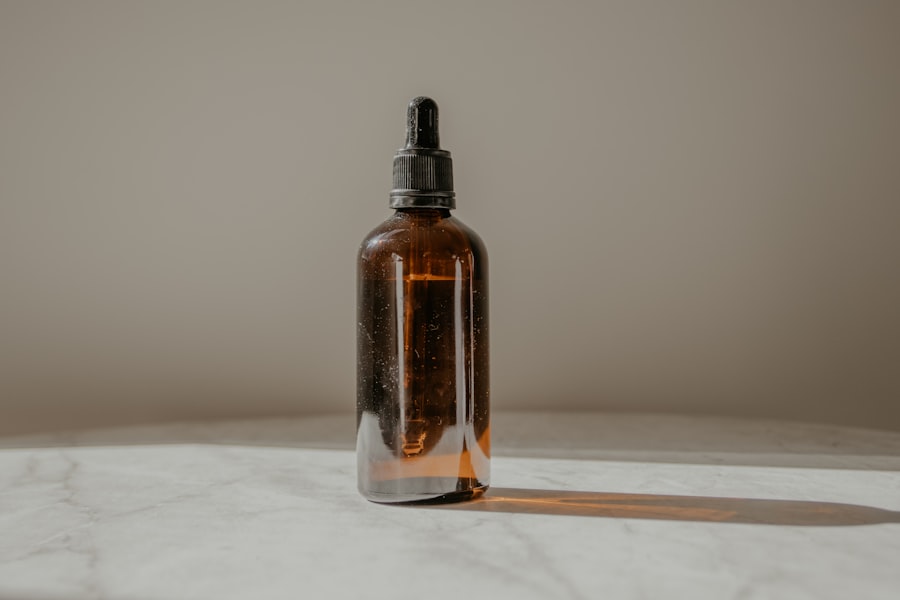
While each of these oils offers remarkable benefits on its own, combining them can create a powerful elixir for hair growth. The key is to understand how their properties complement each other to address multiple aspects of hair health.
The Power of Combinations: When Oils Work Together
Imagine a blend that stimulates circulation, moisturizes deeply, strengthens strands, and balances the scalp all at once. This is the magic of synergistic oil blends. By carefully selecting and combining oils, you can amplify their individual effects.
Essential Oils and Carrier Oil Ratios
- Carrier Oils: These are the base oils (like jojoba, coconut, almond, grapeseed) that dilute potent essential oils and help them penetrate the skin. They also provide their own moisturizing and nourishing benefits.
- Essential Oils: These are highly concentrated plant extracts (like rosemary, peppermint, lavender, tea tree) that offer powerful therapeutic properties. They must be diluted with carrier oils. A general guideline for scalp treatments is 1-3% dilution, meaning 5-15 drops of essential oil per ounce (30ml) of carrier oil.
DIY Hair Growth Oil Recipes
Here are a couple of ideas to get you started:
- Stimulating Blend: 2 tablespoons of Jojoba Oil + 1 tablespoon of Castor Oil + 5 drops of Rosemary Essential Oil + 3 drops of Peppermint Essential Oil.
- Benefits: Combines scalp stimulation with deep conditioning and follicle support.
- Nourishing and Strengthening Blend: 2 tablespoons of Coconut Oil + 1 tablespoon of Argan Oil (another fantastic option!) + 4 drops of Lavender Essential Oil + 2 drops of Cedarwood Essential Oil.
- Benefits: Focuses on scalp calming, moisture retention, and hair shaft strengthening.
Important Considerations for Using Organic Hair Growth Oils
Before you start slathering these oils on your scalp, there are a few crucial points to keep in mind to ensure you get the best, safest results.
Patch Testing for Sensitivities
Even natural ingredients can cause reactions in some individuals. Always perform a patch test on a small area of your skin (like behind your ear or on your inner wrist) at least 24 hours before applying any new oil blend to your entire scalp.
Consistency is Key: Patience and Persistence
Hair growth is a biological process that takes time. While you might see improvements in scalp health and hair texture relatively quickly, significant new hair growth can take several months. Be consistent with your treatments and don’t get discouraged if you don’t see dramatic results overnight.
Quality Matters: Sourcing Organic and Pure Oils
| Brand | Key Ingredients | Size | Price | Rating |
|---|---|---|---|---|
| Wild Growth Hair Oil | Olive oil, jojoba oil, coconut oil | 4 oz | 10.99 | 4.5/5 |
| SheaMoisture Jamaican Black Castor Oil | Jamaican black castor oil, shea butter | 8 oz | 13.49 | 4.7/5 |
| Handcraft Blends Castor Oil | 100% pure castor oil | 16 oz | 14.95 | 4.8/5 |
When choosing organic hair growth oils, opt for reputable brands that clearly label their products as 100% pure and organic. This ensures you’re getting the most potent and beneficial ingredients without synthetic additives or fillers.
Understanding Different Hair Types and Needs
Your hair type (fine, coarse, oily, dry, curly, straight) will influence which oils are best for you and how often you should use them. For instance, thinner, finer hair might benefit more from lighter oils like jojoba or grapeseed, while coarser, drier hair can handle heavier oils like castor and coconut.
If you’re exploring the benefits of natural remedies for enhancing hair growth, you might find it helpful to read a related article that discusses the essential components for healthy hair. This piece delves into the crucial aspects of growth, retention, and the internal factors that contribute to vibrant hair. For more insights, check out this informative article on healthy hair trinity, which complements the information on the best organic hair growth oils.
Integrating Organic Oils into Your Hair Care Routine
Making these powerful oils a regular part of your routine is the most effective way to see lasting results. This isn’t a one-time fix; it’s a lifestyle shift towards healthier, more vibrant hair.
Pre-Shampoo Treatments: The Deep Dive
Applying oils to your scalp and hair before shampooing allows them to penetrate deeply without being immediately washed away. This is often the most impactful way to utilize richer oils like castor and coconut.
Scalp Massages: The Ritual of Nourishment
Beyond simply applying oil, the act of massaging it into your scalp offers additional benefits. It stimulates blood flow, helps to distribute the oil evenly, and can be a wonderfully relaxing ritual. Dedicate at least 5-10 minutes to this process.
Leave-In Treatments: Ongoing Support
For some lighter oils, or when used in very small amounts, they can be left in the hair overnight or even during the day as a leave-in treatment. This provides continuous nourishment and protection for your hair strands.
Conclusion: Embracing Natural Growth for Luscious Locks
You’ve now got the knowledge and the tools to embark on your journey towards healthier, fuller hair, powered by the incredible gifts of nature. Remember, consistency, patience, and a commitment to quality ingredients are your greatest allies. By incorporating these organic hair growth oils into your routine, you’re not just treating your hair; you’re investing in its long-term health and vitality. So, go forth, explore these natural wonders, and prepare to be amazed by the lush locks that await you!
FAQs
What are organic hair growth oils?
Organic hair growth oils are natural oils that are specifically formulated to promote hair growth and improve the overall health of the hair. These oils are made from organic and natural ingredients, free from synthetic chemicals and additives.
What are the benefits of using organic hair growth oils?
Organic hair growth oils can help stimulate hair follicles, improve blood circulation to the scalp, nourish the hair and scalp, and reduce hair breakage. They can also help to improve the overall health and appearance of the hair, making it stronger, shinier, and more manageable.
How do organic hair growth oils work?
Organic hair growth oils work by penetrating the hair follicles and scalp to deliver essential nutrients and vitamins that promote hair growth. These oils also help to moisturize and condition the hair, creating a healthy environment for hair growth.
Are organic hair growth oils suitable for all hair types?
Yes, organic hair growth oils are suitable for all hair types, including straight, curly, wavy, and coily hair. They can be used on natural hair, chemically treated hair, and even on sensitive scalps.
How should organic hair growth oils be used?
Organic hair growth oils can be used in various ways, such as massaging the oil into the scalp, applying it to the hair as a pre-shampoo treatment, or using it as a leave-in conditioner. It is important to follow the instructions provided by the manufacturer for the best results.