You’re here because you’re ready to unlock your hair’s full growth potential, and you’ve come to the right place. As the Listicle Content Architect, my mission is to distill complex information into easily digestible, actionable guides that get you results. Today, we’re diving deep into the world of scalp massage, a time-honored practice that, when done correctly, can be a potent ally in your quest for thicker, longer, and healthier hair. Forget those expensive serums and complicated routines for a moment; sometimes the most powerful solutions are the simplest. And when it comes to scalp massage, the technique you employ is paramount. It’s not just about rubbing your head; it’s about understanding the science, the art, and the specific movements that stimulate those crucial hair follicles.
This listicle is your comprehensive blueprint. We’ll go beyond just telling you to “massage your scalp.” We’ll explore why it works, the different types of techniques, the tools that can help, and how to integrate this powerful practice into your routine for maximum impact. Get ready to transform your hair growth journey, one invigorating massage at a time.
You might be wondering if all this fuss about scalp massage is backed by solid science. Absolutely. You’re about to understand the biological mechanisms that make this seemingly simple act so effective. It all boils down to increasing blood circulation and creating a prime environment for your hair follicles to thrive.
Increased Blood Flow to the Follicles
This is the cornerstone of why scalp massage works. Think of your hair follicles as tiny factories that need essential resources to produce healthy hair. These resources are delivered via blood vessels. When you massage your scalp, you’re essentially giving those blood vessels a gentle workout, encouraging them to widen and increase the flow of oxygen and nutrients directly to the roots of your hair. This enhanced circulation is critical for stimulating the growth phase (anagen) of your hair cycle and potentially prolonging it, leading to longer and stronger strands. The increased blood flow also helps to remove waste products that can accumulate around the follicles, further optimizing their environment for growth.
Stimulating Dermal Papilla Cells
The dermal papilla cells, located at the base of each hair follicle, are the architects of your hair. They play a pivotal role in regulating hair growth cycles and determining hair thickness and density. Research suggests that mechanical stress, like that applied during a scalp massage, can stimulate these dermal papilla cells. This stimulation can lead to increased production of growth factors and other signaling molecules that promote hair follicle proliferation and hair shaft elongation. Essentially, you’re telling your dermal papilla cells, “It’s time to get to work!”
Stress Reduction and Cortisol Levels
You’ve probably noticed how relaxing a good scalp massage can be. This isn’t just a pleasant side effect; it’s directly linked to hair growth. Chronic stress is a known culprit for hair loss, often leading to a condition called telogen effluvium, where stress pushes a large number of hair follicles into the resting phase prematurely. Scalp massage is a powerful natural stress reliever. By engaging in this practice, you can help lower cortisol levels, the primary stress hormone. When your body is less stressed, it can redirect energy and resources towards essential functions like hair growth, rather than constantly being in a state of alert.
Release of Endorphins and Improved Scalp Health
The physical act of massage triggers the release of endorphins, the body’s natural mood boosters and pain relievers. Beyond the psychological benefits, these endorphins also contribute to a sense of well-being, which, as we’ve discussed, indirectly supports hair growth. Furthermore, regular massage helps to exfoliate the scalp, removing dead skin cells and product buildup that can clog follicles. This creates a cleaner, healthier scalp environment, free from impediments to robust hair growth. It’s about creating the optimal conditions from the ground up.
For those interested in enhancing their hair growth, exploring effective scalp massage techniques can be incredibly beneficial. A related article that delves into various methods to promote hair growth is available at this link: How to Make Hair Grow Faster and Thicker. This resource provides valuable insights and tips that complement the best scalp massage techniques, helping you achieve healthier and thicker hair.
2. The Foundational Techniques: Mastering Basic Scalp Massage Movements
Before you dive into advanced strategies, let’s establish a solid understanding of the fundamental movements. Mastering these basics will ensure you’re applying pressure effectively and targeting the right areas for optimal results. Think of these as your building blocks for a truly effective scalp massage.
Effleurage: The Gentle Gliding Stroke
Effleurage is your introductory move, a soft, sweeping motion that sets the stage for deeper work. It’s about increasing circulation and warming up the scalp.
How to Perform Effleurage:
- Fingertips: Use the pads of your fingertips, not your nails.
- Gentle Pressure: Apply light to medium pressure, gliding your fingertips across the scalp.
- Direction: Start at the hairline and stroke upwards towards the crown, then sweep outwards towards the sides of your head. You can also move from the nape of your neck upwards.
- Repetition: Repeat these gliding strokes for about 1-2 minutes, ensuring you cover the entire scalp. This is about creating a sense of relaxation and preparing the scalp for more targeted stimulation. Imagine you’re gently coaxing the blood to flow towards your scalp.
Petrissage: The Kneading and Lifting Motion
Petrissage is where you’ll start to feel a more significant stimulation. This technique involves kneading and lifting the scalp, which helps to loosen any tension and further invigorate the blood flow.
How to Perform Petrissage:
- Fingers and Thumbs: Use your fingertips and thumbs, creating a gentle pinching and lifting motion.
- Targeted Areas: Focus on smaller sections of your scalp at a time.
- Movement: Gently grasp a section of your scalp between your fingers and thumbs and lift it slightly, mimicking a kneading action. You can also press down and then rotate your fingers in small circles.
- Coverage: Work your way across the entire scalp, paying attention to areas where you might feel tension or stiffness. Spend about 3-5 minutes on this technique. This movement is designed to reach deeper into the tissues, encouraging a more profound increase in circulation and potentially stimulating the hair follicles beneath the surface.
Friction: The Circular Rubbing Technique
Friction is all about invigorating the scalp with targeted circular movements. This technique is excellent for breaking up any adhesions and really getting the blood flowing to specific spots.
How to Perform Friction:
- Fingertips: Use your fingertips.
- Firm Pressure: Apply more firm pressure than effleurage, but avoid causing pain.
- Circular Motion: Move your fingertips in small, tight circles over specific areas of your scalp.
- Focus Points: Concentrate on areas where you feel stiffness or where you want to encourage more growth. You can also do this over the entire scalp, moving systematically from one section to another.
- Duration: Dedicate about 2-3 minutes to friction. This technique is particularly effective at stimulating localized blood flow and can feel quite invigorating. It’s like giving each individual hair follicle a tiny wake-up call.
Tapping and Percussion: The Rhythmic Staccato
This technique adds variety and can be quite stimulating. It involves light, rhythmic tapping or drumming motions.
How to Perform Tapping and Percussion:
- Fingertips and Knuckles: You can use the tips of your fingers for lighter tapping or the loosely closed knuckles of your hands for a slightly more intense sensation.
- Light and Swift: The movements should be light and swift, creating a tingling sensation.
- Rhythm: Maintain a consistent, rhythmic pattern.
- Application: Go all over the scalp, lightly tapping or drumming. Avoid any areas that are tender or sensitive.
- Brief but Effective: This technique is usually incorporated for about 30 seconds to a minute at the end of a massage. It helps to further awaken the scalp and stimulate nerve endings. It’s a final flourish to ensure every part of your scalp feels energized.
3. Advanced Techniques and Tools: Elevating Your Scalp Massage Game
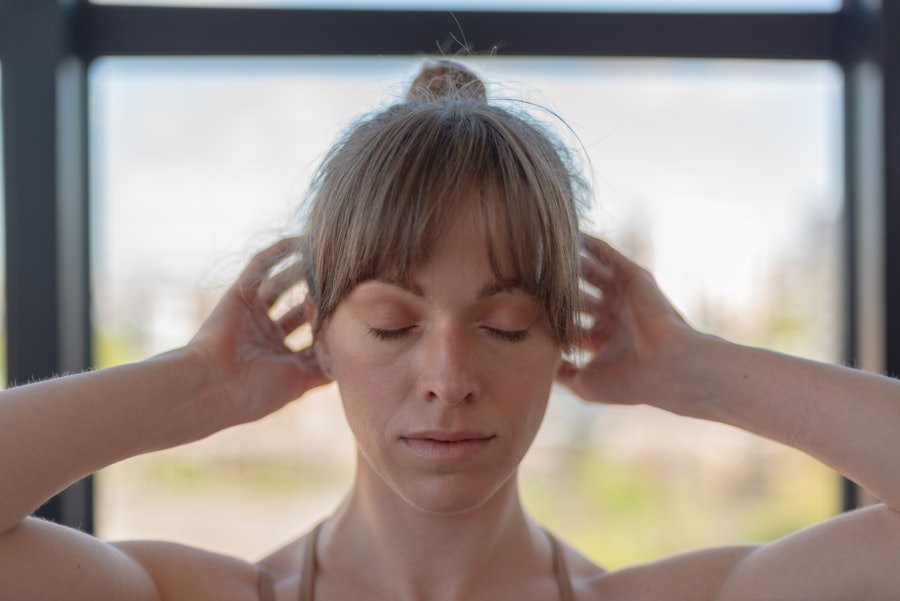
Once you’ve mastered the basics, you’re ready to explore techniques and tools that can take your scalp massage to the next level. These advanced methods are designed to provide deeper stimulation and target specific hair growth concerns.
The Scalp Roll: Targeted Follicle Stimulation
This technique is more precise and focuses on individual areas of the scalp to encourage follicle activity.
How to Perform the Scalp Roll:
- Fingertips: Use the pads of your fingertips.
- Gentle Grip: Gently grip a small section of your scalp.
- Rolling Motion: Apply light pressure and “roll” your fingertips back and forth or in small circular motions while maintaining a slight upward pull on the scalp. Imagine you are gently rolling the skin over the underlying bone.
- Focused Areas: Work your way across the scalp, focusing on areas where hair is thinning or where you want to promote thicker growth. This is a more concentrated technique and requires a bit more active engagement.
- Benefit: This motion is thought to better stimulate the follicles by creating a subtle stretch and release action. Spend about 1-2 minutes on this technique in targeted areas.
The Thumb Press and Hold: Deep Pressure for Deep Stimulation
This is a more intense technique that uses your thumbs to apply deep, sustained pressure to specific points on the scalp.
How to Perform the Thumb Press and Hold:
- Thumbs: Use the pads of your thumbs.
- Firm Pressure: Apply firm, steady pressure to a chosen point on your scalp.
- Hold: Hold the pressure for 5-10 seconds, breathing deeply.
- Release: Gently release the pressure and move to another point.
- Strategic Placement: Focus on pressure points along your hairline, temples, and the apex of your head. You can also use this technique to address any knots or tight spots you feel.
- Caution: Ensure the pressure is firm but not painful. This is about stimulating deep circulation and releasing tension. Dedicate about 1-2 minutes.
Utilizing Scalp Massage Tools: Amplifying the Impact
While your fingers are excellent tools, certain specialized tools can enhance the effectiveness of your scalp massage and make the process even more enjoyable and efficient.
Scalp Massagers (Manual and Electric):
- Manual Scalp Massagers: These often resemble a “head scratcher” with flexible prongs. They are excellent for distributing gentle pressure and stimulating nerve endings across the scalp. They offer a widespread tingling sensation that can be very invigorating.
- Electric Scalp Massagers: These offer automated massage motions, often with rotating or vibrating heads. They can provide consistent and targeted stimulation, making them a convenient option for those with limited time or energy. Look for models that offer various modes and intensities to personalize your experience.
Jade Rollers or Gua Sha Tools for the Scalp:
- How to Use: These tools, typically used for facial massage, can also be adapted for the scalp. Use the larger, curved edges to gently glide along the scalp, following the contours of your head.
- Benefits: They can help to improve circulation, promote lymphatic drainage, and offer a cooling, soothing sensation, especially if chilled. They provide a smoother, more gliding kind of stimulation compared to fingertip massage.
Microfiber Towels or Hair Towel Wraps:
- When to Use: After your massage, when your scalp is slightly damp, gently pat your scalp dry with a soft microfiber towel. Avoid vigorous rubbing.
- Benefit: Microfiber is gentle and absorbent, reducing friction and preventing breakage. Some people also find that wrapping their damp scalp in a warm towel for a few minutes after a massage can increase blood flow and enhance product absorption if you’re using any scalp-nourishing treatments.
4. Integrating Scalp Massage into Your Routine for Maximum Growth
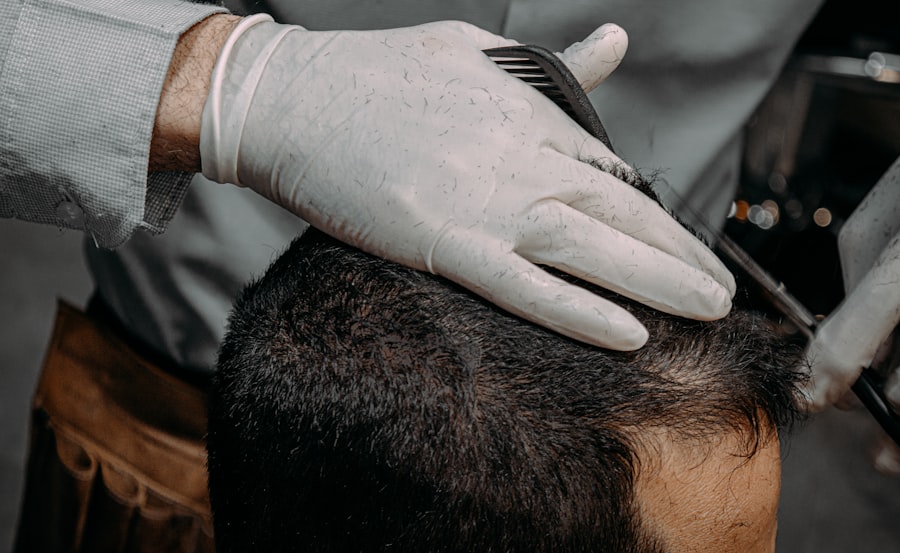
Knowing how to massage is only half the battle. The real magic happens when you consistently integrate scalp massage into your self-care routine. Let’s talk about making this practice a non-negotiable part of your hair growth strategy.
Frequency: Consistency is Key
You wouldn’t expect to see results from a workout if you only did it once a month. The same applies to scalp massage.
- Daily (Recommended for Best Results): Aim for at least 5-10 minutes of scalp massage every day. This consistent stimulation is crucial for maintaining healthy blood flow and encouraging continuous hair follicle activity.
- Minimum of 3-4 Times Per Week: If daily is too ambitious initially, commit to at least 3-4 times per week. Even this frequency will yield noticeable benefits over time.
- Listen to Your Scalp: Pay attention to how your scalp feels. If you feel any soreness or irritation, reduce the frequency or intensity.
Timing: When to Massage for Optimal Impact
The best time to massage your scalp often depends on your personal preferences and daily schedule. However, some times offer particular advantages.
- Before Bed: This is an excellent time as it can help you unwind and de-stress, promoting better sleep, which is critical for hair growth. The relaxation benefits can be amplified before you drift off.
- In the Shower/Bath: Applying oils or conditioners during your shower and then massaging them in is a great way to multitask. The warmth of the water can further enhance blood flow and soften the scalp.
- During Your Morning Ritual: A quick massage upon waking can invigorate your scalp and mentally prepare you for the day ahead. It’s a fantastic way to start your day with a focus on self-care.
- Anytime You Feel Stressed or Tension: Don’t underestimate the power of an impromptu scalp massage whenever you feel tension building in your head or neck. It’s a quick way to relieve stress and boost circulation.
Enhancing the Massage: Oils and Serums
While dry scalp massage is effective, incorporating nourishing oils or specialized serums can amplify the benefits.
- Carrier Oils: Think of oils like jojoba, coconut, almond, or castor oil. These are rich in fatty acids and vitamins that can nourish your scalp and hair shafts.
- Essential Oils (Diluted!): Certain essential oils are renowned for their hair-growth stimulating properties. Rosemary oil, peppermint oil, lavender oil, and cedarwood oil are popular choices. Crucially, always dilute essential oils in a carrier oil (e.g., 1-2 drops of essential oil per teaspoon of carrier oil) before applying to your scalp. Undiluted essential oils can cause irritation.
- Application: Apply a small amount of your chosen oil or serum to your fingertips and then work it into your scalp before performing your massage. This allows the nourishing ingredients to penetrate while you stimulate blood flow.
- Consider a Scalp Serum: Many serums are specifically formulated with potent active ingredients designed to promote hair growth, thickening, and scalp health. Massage them in thoroughly to maximize their efficacy.
Post-Massage Care
| Scalp Massage Technique | Benefits |
|---|---|
| Circular Motion | Stimulates blood flow to the scalp, promoting hair growth |
| Kneading Motion | Relieves tension and stress in the scalp, promoting relaxation and healthy hair growth |
| Using Essential Oils | Enhances the massage experience and provides additional nourishment to the scalp and hair follicles |
| Duration | Massaging for 5-10 minutes daily can improve circulation and promote hair growth |
What you do after your massage can also contribute to its effectiveness.
- Leave Oils On (If Applicable): If you used oils, consider leaving them on for at least 30 minutes to a few hours (or even overnight) before washing your hair. This allows the nutrients to fully absorb.
- Gentle Washing: When you do wash your hair, use a mild shampoo and conditioner. Avoid harsh chemicals that can strip your scalp of its natural oils.
- Avoid Heat Styling Immediately: If possible, allow your hair to air dry after washing post-massage, or use a heat protectant and low heat settings if blow-drying. Excessive heat can counteract some of the benefits of the massage.
If you’re looking to enhance your hair growth journey, exploring effective scalp massage techniques can be incredibly beneficial. In addition to these techniques, you might find it helpful to read about skincare specifically tailored for bald men, which can complement your overall grooming routine. For more insights, check out this informative article on skincare for bald men. This resource provides valuable tips that can help you feel confident and bold while you work on achieving healthier hair.
5. Common Pitfalls to Avoid and Tailoring Your Technique
You’re doing great by being so thorough! Now, let’s address some common mistakes people make and how you can tailor your scalp massage for your unique needs. Avoiding these pitfalls will ensure you’re getting the most out of every massage session.
Pitfalls to Sidestep for Optimal Results
- Using Your Fingernails: This is a big no-no! Nails can scratch and irritate your scalp, potentially causing inflammation and even damage. Always use the soft pads of your fingertips.
- Applying Too Much Pressure: While some techniques require firm pressure, it should never be painful. Overdoing it can lead to bruising or inflammation, which is counterproductive to hair growth. Think invigorating, not agonizing.
- Skipping the Scalp: Some people get so focused on the hair itself that they forget the scalp is the foundation. Ensure your massage techniques are directly stimulating the scalp and hair follicles.
- Inconsistency: As we’ve emphasized, sporadic massages won’t yield the best results. Consistency is paramount for sustained blood flow and follicle stimulation.
- Using Harsh Products: Avoid heavy, pore-clogging products on your scalp before massaging, as this can hinder penetration and create buildup. Stick to lightweight oils or specialized serums.
- Ignoring Scalp Health Concerns: If you have a pre-existing scalp condition like dandruff, psoriasis, or eczema, consult with a dermatologist before starting a rigorous massage routine. Some techniques might exacerbate these conditions.
Tailoring Your Technique to Your Hair Type and Concerns
Your hair and scalp are unique, so your massage technique should be adaptable.
- For Fine or Thinning Hair:
- Focus on Stimulation: Emphasize techniques like the scalp roll, thumb press and hold, and friction on areas where hair is thinning.
- Lighter Oils: Opt for lighter carrier oils like jojoba or grapeseed oil, which are less likely to weigh down fine hair.
- Peppermint Oil: Diluted peppermint oil can be particularly beneficial for stimulating circulation and creating a tingling sensation that signals follicle activity.
- For Dry or Flaky Scalp:
- Moisturizing Oils: Use richer, more emollient oils like coconut oil, almond oil, or olive oil.
- Longer Hold Times: Leave oils on for extended periods (even overnight) to deeply moisturize the scalp.
- Gentle Petrissage and Effleurage: Focus on these gentler movements to avoid irritating a dry or sensitive scalp. Avoid excessive friction.
- For Oily Scalp:
- Astringent Oils: Consider oils like rosemary or tea tree oil (diluted, of course), which can help balance sebum production.
- Thorough Cleansing: Ensure you cleanse your scalp thoroughly after using oils to prevent buildup.
- More Frequent Washing: You might opt for slightly more frequent hair washing if you’re using oils daily.
- For Sensitive Scalp:
- Ultra-Gentle Approach: Stick primarily to effleurage and very light petrissage.
- Hypoallergenic Oils: Use gentle, hypoallergenic carrier oils like jojoba or sunflower oil.
- Patch Test: Always patch-test any new oils or essential oils on a small area of skin before applying to your entire scalp.
- Avoid Essential Oils Initially: If your scalp is very sensitive, begin with just carrier oils and introduce essential oils very gradually and in very low concentrations.
By understanding these nuances and avoiding common pitfalls, you’re not just performing a scalp massage; you’re orchestrating a precise, tailored treatment for your hair’s optimal growth. You’ve got this!
FAQs
What are the benefits of scalp massage for hair growth?
Scalp massage can increase blood circulation to the hair follicles, promoting hair growth. It can also help to reduce stress and tension, which can contribute to hair loss.
How often should scalp massage be done for hair growth?
It is recommended to massage the scalp for at least 5-10 minutes, 2-3 times a week to see the best results for hair growth.
What is the best technique for scalp massage for hair growth?
The best technique for scalp massage involves using the fingertips to apply gentle pressure in circular motions all over the scalp. This helps to stimulate the hair follicles and increase blood flow.
Can scalp massage help with dandruff and dry scalp?
Yes, scalp massage can help to loosen and remove dry skin and dandruff, as well as distribute natural oils throughout the scalp, which can help to alleviate dryness.
Are there any oils or products that can enhance the benefits of scalp massage for hair growth?
Yes, using natural oils such as coconut oil, jojoba oil, or almond oil during a scalp massage can help to nourish the scalp and hair, promoting healthy hair growth.