You’re on a mission for lush, vibrant hair, and you’ve landed in the right place. As your Listicle Content Architect, I’ve scoured the beauty landscape, dissected countless ingredients, and consulted with follicle fanatics to bring you the ultimate guide to hair growth oils that actually deliver. Forget the empty promises and the greasy residue; we’re diving deep into the potent elixirs that stimulate your scalp, nourish your strands, and awaken dormant follicles. This isn’t about quick fixes; it’s about cultivating a healthier, more resilient mane from the roots up. So, grab a comfy seat, perhaps a silk pillowcase for good measure, and prepare to embark on a journey to your best hair ever.
Before we dive into specific product recommendations or blend strategies, it’s crucial to understand why certain oils are lauded for their hair growth potential. It’s not magic; it’s science, rooted in ancient traditions and modern research. These oils work through various mechanisms, from delivering vital nutrients directly to the scalp to improving circulation and combating factors that hinder growth. Think of them as your hair’s personal trainers, pushing it towards its peak performance.
The Nutritional Powerhouse: Essential Fatty Acids
At the heart of most effective hair growth oils are essential fatty acids, particularly omega-3, omega-6, and omega-9. These aren’t produced by your body, meaning you need to get them from external sources, and your hair follicles are begging for them.
- Omega-3 Fatty Acids: These are superstars for reducing inflammation, which can be a silent killer of hair follicles. Inflammation on the scalp can constrict blood vessels, limiting the flow of nutrients and oxygen necessary for robust hair growth. Omega-3s also act as building blocks for hair, contributing to its strength and shine.
- Omega-6 Fatty Acids: While often associated with inflammation, in the right balance, omega-6s are crucial for hair growth and can help prevent hair from becoming dry and brittle. They play a role in the keratinization process, ensuring your hair strands are formed correctly.
- Omega-9 Fatty Acids: These monounsaturated fats are excellent for retaining moisture. Healthy, hydrated hair is less prone to breakage, which, in turn, allows it to grow longer. They also contribute to scalp health by keeping it supple and balanced.
The Circulation Boosters: Enhancing Scalp Microcirculation
For hair to grow, it needs a steady supply of oxygen and nutrients delivered to the follicles. This is where oils that enhance blood circulation come into play. Think of it as opening up the express lane for your hair’s nourishment.
- Vasodilation and Nutrient Delivery: Certain oils contain compounds that gently widen blood vessels (vasodilation), allowing for increased blood flow to the scalp. This improved microcirculation ensures that hair follicles receive the essential vitamins, minerals, and proteins they need to produce healthy hair.
- Stimulating Follicular Activity: When follicles are well-nourished and have ample oxygen, they are more likely to be in the active growth phase (anagen). Oils that boost circulation can help prolong this phase and encourage dormant follicles to wake up and start producing hair.
The Antioxidant Allies: Protecting Against Damage
Your scalp, like the rest of your skin, is susceptible to oxidative stress caused by free radicals. These unstable molecules can damage cells, including those within the hair follicle, leading to premature aging of the hair and hindering growth. Antioxidant-rich oils act as your scalp’s shield.
- Neutralizing Free Radicals: Antioxidants in these oils work by neutralizing free radicals, preventing them from causing damage to the delicate cellular structures of the hair follicle. This protection helps maintain a healthy scalp environment conducive to hair growth.
- Reducing Scalp Inflammation: Many antioxidants also possess anti-inflammatory properties, further contributing to a healthy scalp by calming irritation and redness, which can impede follicle function.
The Moisturizing Mavens: Preventing Breakage and Supporting Growth
Dryness is the enemy of long hair. Oily hair might seem counterintuitive, but the right oils provide essential moisture, acting as a barrier to prevent water loss and protect hair from external aggressors. This reduces breakage, allowing your hair to achieve its full growth potential.
- Locking in Hydration: Emollient oils can penetrate the hair shaft, softening and smoothing it, while also forming a protective layer on the surface that seals in moisture. This keeps hair hydrated from within and prevents it from becoming parched.
- Improving Elasticity: Well-moisturized hair is more elastic and less prone to snapping. This means that as your hair grows, it can withstand more stress, leading to less breakage and ultimately, longer and thicker-looking hair.
If you’re exploring effective solutions for hair growth, you might find it beneficial to read about the experiences of others who have tried different methods. One such article discusses the transformative effects of protective styling with crochet braids over a six-month period. This approach not only aids in hair growth but also helps in maintaining healthy hair. You can check out the article for more insights on this topic by visiting here.
2. The Castor Oil Contenders: A Deep Dive into its Growth Claims
When the conversation turns to hair growth oils, castor oil is almost always mentioned. This thick, viscous oil has a long history of traditional use, and for good reason. Its unique composition offers a potent blend of properties that can contribute to a healthier scalp and encourage hair growth. You’ve likely heard the whispers, and now it’s time to understand the science behind its reputation.
Ricinoleic Acid: The Undisputed Star
Castor oil’s efficacy is largely attributed to its exceptionally high concentration of ricinoleic acid, a monounsaturated fatty acid with powerful anti-inflammatory and antimicrobial properties. This is the ingredient that sets castor oil apart.
- Anti-inflammatory Power: Ricinoleic acid is a potent anti-inflammatory agent. By reducing inflammation on the scalp, it can alleviate conditions that might be hindering hair growth, such as dandruff or scalp irritation. A calm, healthy scalp is a foundational element for robust hair follicle activity.
- Antimicrobial Benefits: The antimicrobial properties of ricinoleic acid can help combat scalp infections or imbalances that might be contributing to hair loss or slow growth. By creating a cleaner scalp environment, it allows hair follicles to function optimally.
- Improved Circulation: Some studies suggest that ricinoleic acid might also have a positive effect on blood circulation. Increased blood flow to the scalp means more nutrients and oxygen reach the hair follicles, fueling their growth cycle.
Beyond Ricinoleic Acid: Other Beneficial Components
While ricinoleic acid is the main act, castor oil also contains other beneficial compounds that contribute to its hair-boosting power.
- Vitamin E: This potent antioxidant helps to protect the scalp from oxidative stress and damage caused by free radicals. It also contributes to overall scalp health and can improve hair texture.
- Omega-9 Fatty Acids: As mentioned earlier, these fatty acids are excellent for moisturizing. They help to lubricate the hair shaft and prevent dryness, making hair more resilient and less prone to breakage.
How to Harness Castor Oil’s Power for Growth
Using castor oil effectively requires understanding its unique texture and how to best apply it to maximize its benefits without overwhelming your scalp.
- Dilution is Key: Castor oil is very thick. Applying it directly can be heavy and difficult to wash out. Always dilute it with a lighter carrier oil, such as jojoba oil, coconut oil, or almond oil. A good starting ratio is 1 part castor oil to 2 parts carrier oil.
- Scalp Massage Technique: The magic happens with massage. Apply the diluted oil mixture to your scalp using your fingertips. Gently massage in circular motions for 5-10 minutes. This stimulates blood flow, ensuring the oil is well-distributed and absorbed.
- Leave-In or Overnight Treatment: For maximum benefit, leave the oil mixture on your scalp for at least 30 minutes, or even overnight. Wrap your hair in a shower cap or silk scarf to prevent oil stains.
- Thorough Washing: Because of its thickness, it’s essential to wash your hair thoroughly with a clarifying shampoo to remove all traces of the oil and avoid product buildup.
3. Rosemary Oil: Nature’s Minoxidil Alternative?
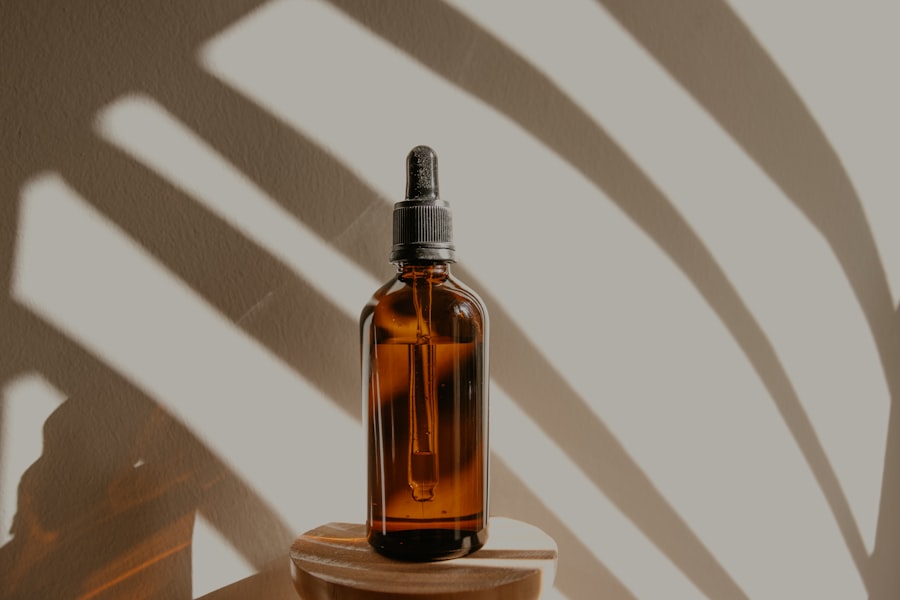
Rosemary oil has surged in popularity within the hair growth community, and the scientific evidence supporting its efficacy is surprisingly robust. It’s becoming a go-to for those seeking a natural, plant-based solution to combat thinning hair and promote overall hair health.
The Carnosic Acid Connection: A Scalp Savvy Ingredient
The primary active compound in rosemary oil that contributes to its hair growth benefits is carnosic acid. This powerful antioxidant is the key to unlocking its potential.
- Stimulating Cell Regeneration: Carnosic acid is known to possess properties that can stimulate cell regeneration. On the scalp, this translates to encouraging the growth of healthier, more robust hair cells, leading to increased hair density.
- Improving Blood Circulation: Similar to other hair growth oils, rosemary oil can enhance blood circulation to the scalp. This increased flow of oxygen and nutrients to the hair follicles is vital for stimulating hair growth and preventing hair loss.
- Antioxidant Protection: As a potent antioxidant, carnosic acid helps to protect the scalp and hair follicles from damage caused by free radicals. This protective effect can prevent premature aging of hair and contribute to a healthier growth environment.
Beyond Carnosic Acid: Other Rosemary Oil Benefits
Rosemary oil isn’t a one-trick pony. It offers a range of benefits that contribute to overall hair health and can indirectly support growth.
- Anti-inflammatory Properties: Rosemary oil can help to soothe an irritated scalp, reducing inflammation that might be contributing to hair loss or slow growth. A calm scalp is a happy scalp, and happy scalps grow healthy hair.
- Antimicrobial Action: The oil has mild antimicrobial properties that can help to keep the scalp clean and free from fungal or bacterial overgrowth that could impede hair growth.
- Aromatherapeutic Effects: Beyond its physical benefits, the invigorating scent of rosemary can also be uplifting and stress-relieving. Stress is a known contributor to hair loss, so any reduction in stress can be beneficial for your mane.
Unlocking Rosemary Oil’s Growth Potential
Incorporating rosemary oil into your hair care routine is straightforward, but understanding the best methods can elevate your results.
- Carrier Oil Dilution is Essential: Never apply pure rosemary oil directly to your scalp. It’s highly concentrated and can cause irritation. Always dilute it with a carrier oil like jojoba, coconut, or grapeseed oil. A common dilution ratio is 2-5 drops of rosemary oil per tablespoon of carrier oil.
- Scalp Massage Application: The most effective way to use rosemary oil for growth is through a scalp massage. Apply the diluted mixture to your scalp and gently massage for 5-10 minutes. This ensures good absorption and stimulates circulation.
- Rinse-Out or Leave-In Treatment: You can use your rosemary oil mixture as a pre-shampoo treatment (leave on for at least 30 minutes before washing) or as a leave-in treatment (apply a small amount to the scalp after washing and styling).
- Incorporation into Shampoos and Conditioners: Many brands now offer rosemary-infused hair products. While convenient, be mindful of the concentration. Making your own blends gives you more control.
4. Peppermint Oil: The Tingling Sensation That Fuels Growth
If you’re looking for a stimulating experience that’s backed by science, peppermint oil is your next must-have. That signature tingle isn’t just a sensation; it’s a sign of increased blood flow, which is crucial for robust hair growth.
The Menthol Magic: Vasodilation in Action
The primary active component in peppermint oil, menthol, is responsible for its characteristic cooling and tingling sensation. This sensation is a direct indicator of its impact on your scalp’s circulation.
- Vasodilatory Effects: Menthol causes blood vessels in the scalp to widen, a process known as vasodilation. This increased blood flow delivers a richer supply of oxygen, nutrients, and vital growth factors to the hair follicles.
- Enhanced Nutrient Delivery: With improved circulation, the follicles are better equipped to receive the essential building blocks needed for healthy hair production. This can help to prolong the anagen (growth) phase of the hair cycle.
- Stimulation of Dormant Follicles: The invigorating stimulation from peppermint oil can also help to wake up dormant hair follicles, encouraging them to enter the growth phase and begin producing new hair.
Beyond the Tingle: Additional Benefits of Peppermint Oil
Peppermint oil offers more than just a circulation boost; its other properties contribute to an optimal environment for hair growth.
- Anti-inflammatory Properties: Peppermint oil possesses natural anti-inflammatory qualities. This can help to soothe an irritated or inflamed scalp, which can often be a barrier to healthy hair growth.
- Antimicrobial Action: It can help to combat certain scalp conditions by acting as a natural antimicrobial agent, thereby promoting a cleaner and healthier scalp environment.
- Relief from Itchiness: For those experiencing an itchy scalp, the cooling sensation of peppermint oil can provide welcome relief, making the scalp a more comfortable place for hair to grow.
Integrating Peppermint Oil into Your Growth Regimen
Using peppermint oil for hair growth requires a careful approach due to its potent nature.
- Dilution is Absolutely Non-Negotiable: Peppermint oil is extremely concentrated and can cause significant irritation if applied directly to the skin. Always dilute it with a carrier oil. A common dilution is 1-2 drops of peppermint oil per tablespoon of carrier oil. Jojoba, coconut, and almond oils are excellent choices.
- The Scalp Massage Ritual: Apply the diluted peppermint oil mixture to your scalp using your fingertips. Gently massage in circular motions for about 5 minutes. You should feel a distinct tingling sensation. If it’s too intense, dilute further.
- Pre-Shampoo Powerhouse: Use the diluted oil as a pre-shampoo treatment. Apply it to your scalp, let it sit for 15-30 minutes, then wash your hair thoroughly with shampoo.
- Be Mindful of Sensitivity: Pay close attention to your scalp’s reaction. If you experience any burning, excessive redness, or discomfort, discontinue use or further dilute the oil.
If you’re exploring effective solutions for enhancing hair growth, you might find it helpful to read about various methods and tips in a related article. This resource discusses practical strategies for accelerating hair growth, which can complement your use of hair growth oils. For more insights, check out this informative piece on how to get your hair to grow faster by following this link.
5. The Versatile Victors: Essential Oils for a Holistic Approach
| Oil | Benefits | Usage |
|---|---|---|
| Coconut Oil | Moisturizes scalp, promotes hair growth | Massage into scalp and leave for 30 minutes before washing |
| Castor Oil | Stimulates hair growth, reduces hair loss | Apply to scalp and leave overnight |
| Argan Oil | Improves hair elasticity, nourishes scalp | Apply a few drops to scalp and massage in |
While castor, rosemary, and peppermint oils are often singled out, the world of essential oils offers a broader spectrum of options that can contribute to hair growth in synergistic ways. These versatile oils can often combat different facets of hair loss or slow growth, making them valuable additions to your arsenal.
Lavender Oil: The Calming Concoction
Lavender oil is celebrated for its soothing properties, and its benefits extend to scalp health, creating an environment conducive to hair growth.
- Promoting Relaxation and Reducing Stress: Lavender’s known for its calming aromatherapy effects. Since stress can be a significant contributor to hair loss, the relaxation induced by lavender oil can indirectly support hair growth.
- Antimicrobial and Anti-inflammatory Properties: Lavender oil possesses natural antimicrobial and anti-inflammatory qualities that can help to keep the scalp healthy and free from irritation, which is essential for follicle function.
- Stimulating Hair Follicle Health: Some studies suggest that lavender oil may help to promote cell generation and reduce scalp inflammation, both of which can contribute to stronger and healthier hair growth.
- Usage: Dilute 3-5 drops of lavender essential oil with a tablespoon of carrier oil and massage into your scalp. Leave on for at least 30 minutes before washing.
Tea Tree Oil: The Deep Cleanser
Tea tree oil is a powerful natural cleanser and antiseptic, making it ideal for addressing scalp issues that can hinder hair growth.
- Cleansing the Scalp: Its potent antimicrobial and antifungal properties can effectively cleanse the scalp, removing buildup, debris, and even dandruff-causing microbes that can clog hair follicles and impede growth.
- Unclogging Follicles: By thoroughly cleaning the scalp and hair follicles, tea tree oil helps to ensure that nutrients and oxygen can reach the hair roots unimpeded.
- Soothing Itchiness and Irritation: Tea tree oil can also have a soothing effect on itchy and irritated scalps, promoting a more comfortable environment for hair to thrive.
- Usage: Use sparingly due to its potency. Add 1-2 drops of tea tree oil to your shampoo or conditioner, or dilute 2-3 drops with a tablespoon of carrier oil and massage into your scalp. Leave on for about 30 minutes before washing.
Cedarwood Oil: The Circulation Booster and DHT Fighter
Cedarwood oil, particularly Atlas cedarwood, is often touted for its ability to stimulate the scalp and potentially combat DHT (dihydrotestosterone), a hormone linked to hair loss.
- Stimulating Circulation: Cedarwood oil is believed to have astringent properties that can help to invigorate the scalp and improve blood circulation, ensuring better nutrient delivery to hair follicles.
- Balancing Scalp Oil Production: It can help to regulate sebum production on the scalp, preventing both excessive oiliness and dryness, both of which can be detrimental to hair growth.
- Potential DHT Inhibition: Some research suggests that cedarwood oil may have properties that can help to inhibit DHT production, a key factor in androgenetic alopecia (pattern baldness).
- Usage: Dilute 3-5 drops of cedarwood essential oil with a tablespoon of carrier oil and massage into your scalp. Leave on for at least 30 minutes before washing.
Other Notable Mentions for Enhanced Growth
- Thyme Oil: Known for its stimulating properties, thyme oil can help to improve scalp circulation and invigorate hair follicles. Use with caution and always dilute heavily.
- Ylang Ylang Oil: This oil can help to balance sebum production, making it beneficial for both oily and dry scalps. It also has a lovely fragrance.
- Geranium Oil: Can help to improve circulation and balance sebum production on the scalp.
Remember that when using essential oils, consistency and combining them with other healthy hair practices like a balanced diet and gentle hair care are key to achieving your desired results. You’re building a foundation for vibrant, growing hair, and these oils are your powerful allies.
FAQs
What are hair growth oils?
Hair growth oils are natural or essential oils that are used to promote hair growth, improve hair health, and prevent hair loss. These oils are often applied to the scalp and hair to nourish the follicles and stimulate growth.
What are some hair growth oils that work?
Some hair growth oils that have been shown to be effective include castor oil, coconut oil, peppermint oil, rosemary oil, and jojoba oil. These oils have properties that can help improve circulation, reduce inflammation, and nourish the scalp, leading to healthier hair growth.
How do hair growth oils work?
Hair growth oils work by nourishing the scalp and hair follicles, improving circulation, and providing essential nutrients that promote healthy hair growth. Some oils also have properties that can help reduce inflammation and prevent damage to the hair and scalp.
Are there any side effects of using hair growth oils?
While hair growth oils are generally safe to use, some people may experience allergic reactions or skin irritation when using certain oils. It’s important to do a patch test before using any new oil and to consult with a healthcare professional if you have any concerns.
How should hair growth oils be used?
Hair growth oils can be applied directly to the scalp and hair, massaged in gently, and left on for a period of time before being washed out. Some oils can also be mixed with carrier oils or added to hair care products for added benefits. It’s important to follow the instructions for each oil and to use them as directed for best results.