You’re staring in the mirror, and the thinning reality is becoming undeniable. Your once-thick mane feels sparse, brittle, and frankly, a little disheartening. You’ve tried everything, or so you thought. But what if the answer isn’t some expensive serum or obscure supplement? What if it’s a pantry staple you’ve overlooked? Today, we’re diving deep into the world of coconut oil, your potential new best friend for damaged, thinning hair. As your Listicle Content Architect, I’m here to break down exactly how this tropical treasure can revitalize your locks, explaining not just what to do, but why it works, and how to incorporate it into your routine for maximum impact. Get ready to transform your hair perception, because this is more than just a listicle; it’s your roadmap to healthier, fuller-looking hair.
You’ve probably heard the buzz about coconut oil for hair, but let’s get down to the nitty-gritty. It’s not just anecdotal evidence; there’s real science at play that makes coconut oil a superstar for hair that’s struggling with damage and thinning. Understanding the ‘why’ will empower you to use it with confidence and achieve the best possible results. Your hair is an intricate structure, and coconut oil’s unique properties allow it to interact with it on fundamental levels.
1.1. Penetration is Key: Why Coconut Oil is Different
Most hair oils are too large to penetrate the hair shaft. They sit on the surface, providing a temporary sheen but doing little to address internal damage. Coconut oil, however, is composed primarily of medium-chain triglycerides (MCTs), particularly lauric acid. This fatty acid has a molecular structure that’s small enough to get inside your hair follicles and the hair shaft itself.
1.1.1. Lauric Acid: The Penetrating Hero
Lauric acid’s linear structure and low molecular weight make it exceptionally good at binding to hair proteins. This deep penetration allows it to reach the innermost layers of your hair, where damage often originates. It’s like sending a repair crew directly to the problem zone, rather than just painting over the cracks.
1.1.2. Reduced Protein Loss: Protecting Your Strands
When your hair is damaged, its protein structure weakens. This leads to increased protein loss, which results in thinning, breakage, and a dull appearance. Studies have shown that applying coconut oil to hair significantly reduces protein loss, both before and after washing. This is crucial for thinning hair, as it helps to retain the protein that makes up your strands, contributing to overall thickness and strength.
1.2. Nourishment at the Molecular Level: Beyond Surface Shine
Coconut oil doesn’t just coat; it nourishes. Its rich fatty acid profile provides essential building blocks for healthy hair, tackling issues like dryness and brittleness that can exacerbate thinning.
1.2.1. Fatty Acid Fortification
Beyond lauric acid, coconut oil contains other beneficial fatty acids like capric acid and caprylic acid. These contribute to the oil’s emollient properties, meaning they soften and smooth the hair. For damaged hair, this translates to less friction between strands, reducing breakage and making your hair appear fuller.
1.2.2. Antioxidant Powerhouse
Coconut oil also contains antioxidants, which help to combat free radical damage. Free radicals are unstable molecules that can damage cells, including those in your hair follicles and the hair shaft itself. By neutralizing these free radicals, coconut oil helps to protect your hair from further degradation and promotes a healthier scalp environment, which is vital for hair growth.
1.3. Scalp Health: The Foundation of Growth
A healthy scalp is the bedrock of healthy hair growth. Coconut oil’s properties contribute significantly to scalp well-being, creating an optimal environment for your hair to thrive.
1.3.1. Antimicrobial Properties
The scalp can be a breeding ground for bacteria and fungi, which can lead to inflammation and hair loss. Coconut oil exhibits antimicrobial and antifungal properties, thanks to its fatty acids. This helps to keep your scalp clean and free from irritants, reducing inflammation and creating a more conducive environment for hair follicles to function optimally.
1.3.2. Moisturization and Reduced Inflammation
A dry, itchy, or inflamed scalp can hinder hair growth and make existing hair appear thinner. Coconut oil is an excellent moisturizer, helping to keep the scalp hydrated and supple. This can alleviate common scalp issues like dandruff and irritation, which are often linked to hair thinning.
If you’re looking for effective ways to rejuvenate damaged and thinning hair, you might find it beneficial to explore the properties of coconut oil, which is known for its nourishing and moisturizing benefits. For additional insights on enhancing your overall appearance and hairstyle choices that can help you look younger, check out this related article on hairstyles to look younger. This resource provides valuable tips that can complement your hair care routine while you work on restoring your hair’s health.
2. Revitalizing Damaged Strands: How Coconut Oil Rebuilds and Restores
Your hair has been through a lot. Chemical treatments, heat styling, environmental stressors – they all take their toll, leaving your hair fragile, prone to breakage, and appearing thinner than you’d like. Coconut oil acts like a reconstructive treatment from the inside out, mending damage and improving the overall integrity of your hair. This is where the deep penetration we discussed earlier really shines.
2.1. Combating Breakage and Split Ends: Strengthening Your Foundation
Damaged hair is inherently weaker and more susceptible to breaking. Coconut oil provides the necessary strength and resilience to combat this.
2.1.1. Lubrication and Protection
When your hair is dry, the cuticles (the outermost layer) can become raised and rough. This leads to friction between strands, causing tangles and breakage. Coconut oil lubricates the hair, smoothing down the cuticles. This makes your hair easier to detangle, reducing the mechanical stress that causes breakage.
2.1.2. Protein Reconstruction
As mentioned, coconut oil’s ability to penetrate the hair shaft allows it to interact with and bind to hair proteins. This reinforces the hair’sInternal structure, making it more robust. By helping to retain protein, it essentially rebuilds the damaged areas, making each strand less likely to snap. This is particularly important for fine or thinning hair, where each strand has less inherent mass.
2.2. Restoring Moisture for a Fuller Appearance: Hydration that Rejuvenates
Dry, brittle hair lacks elasticity and can appear lifeless and sparse. Coconut oil’s emollient properties bring much-needed moisture back into your hair, making it look and feel healthier.
2.2.1. Deep Hydration Without Greasiness
Unlike some heavier oils that can weigh down fine hair, coconut oil, when used correctly, provides deep hydration without leaving a greasy residue. Its medium-chain fatty acids can lock in moisture, preventing it from escaping the hair shaft. This revitalizes dull, dehydrated strands, giving them a more supple and voluminous appearance.
2.2.2. Improving Hair Elasticity
Healthy hair has a degree of elasticity – it can stretch and return to its original shape without breaking. Damage compromises this elasticity. By restoring moisture and reinforcing the hair’s protein structure, coconut oil improves your hair’s natural bounce and flexibility, making it more resilient to stressors.
2.3. Enhancing Shine and Smoothness: A Lustrous Comeback
Damaged hair often appears dull and frizzy because the uneven cuticle reflects light poorly. Coconut oil smooths the hair surface, leading to a noticeable improvement in shine.
2.3.1. Smoothing the Cuticle Layer
When the hair cuticle is smooth and flat, it acts like a mirror, reflecting light more effectively. This results in a healthy, glossy sheen. Coconut oil’s ability to penetrate and condition the hair shaft helps to flatten and seal the cuticle, giving your hair a smoother, more reflective surface.
2.3.2. Taming Frizz and Flyaways
Frizz is often a sign of dry, damaged hair seeking moisture from the environment. By providing internal hydration and smoothing the cuticle, coconut oil helps to tame frizz and flyaways, contributing to a sleeker, more polished look. This can make your thinning hair appear denser and more managed.
3. Stimulating Hair Growth: Creating an Environment for Thicker Locks
Thinning hair is often a concern about the quantity of hair. While coconut oil’s primary strength lies in repairing existing strands, it also plays a crucial role in fostering an environment conducive to hair growth. A healthy scalp and strong follicles are the precursors to new growth.
3.1. Nourishing Follicles for Healthier Growth Cycles
Healthy hair follicles are essential for producing thick, strong hair. Coconut oil’s nutrients and beneficial properties directly support follicle health.
3.1.1. Improved Scalp Circulation
Massaging coconut oil into your scalp can stimulate blood circulation. Increased blood flow means more oxygen and nutrients are delivered to your hair follicles, which is vital for their healthy function and for promoting new hair growth.
3.1.2. Protection Against Follicle Damage
Inflammation and oxidative stress can damage hair follicles, leading to thinning and hair loss. Coconut oil’s anti-inflammatory and antioxidant properties help to protect the follicles from these damaging factors, creating a more stable environment for hair to grow.
3.2. Preventing Hair Loss: Addressing the Root Causes
Hair loss can stem from various issues, including breakage or scalp conditions. Coconut oil helps to mitigate some of these contributing factors.
3.2.1. Reducing Breakage-Induced Thinning
As we’ve discussed, coconut oil significantly reduces hair breakage. By preventing strands from snapping off, it helps to retain the hair you have. For thinning hair, this means fewer hairs are lost prematurely, contributing to a denser appearance.
3.2.2. Combating Scalp Infections and Irritation
Dandruff, fungal infections, and general scalp irritation can all contribute to hair loss and thinning. Coconut oil’s natural antimicrobial and antifungal properties can help to clear these issues, creating a healthier scalp where hair can grow unimpeded.
3.3. Enhancing Hair Shaft Strength for Fuller Appearance
While not directly causing new hair to sprout in abundance, strengthening existing hair shafts can create the perception of fullness.
3.3.1. Increased Strand Diameter
By reinforcing the protein structure and locking in moisture, coconut oil can subtly increase the diameter of individual hair strands. This might seem like a small effect, but for thinning hair, even a slight increase in the thickness of each strand can contribute to a more substantial overall volume.
3.3.2. Reducing Shedding Due to Weakness
When hair strands are weak and fragile, they are more likely to fall out prematurely. By fortifying these strands, coconut oil reduces the likelihood of them shedding due to weakness, thus helping you retain more hair.
4. Practical Application: Your Step-by-Step Guide to Using Coconut Oil for Hair
Knowing why coconut oil works is one thing; knowing how to use it effectively is another. Here’s your practical guide to incorporating this wonder oil into your hair care routine, tailored for damaged and thinning hair.
4.1. Choosing the Right Coconut Oil: Quality Matters
Not all coconut oils are created equal. For hair care, opt for the best.
4.1.1. Virgin, Unrefined, and Cold-Pressed
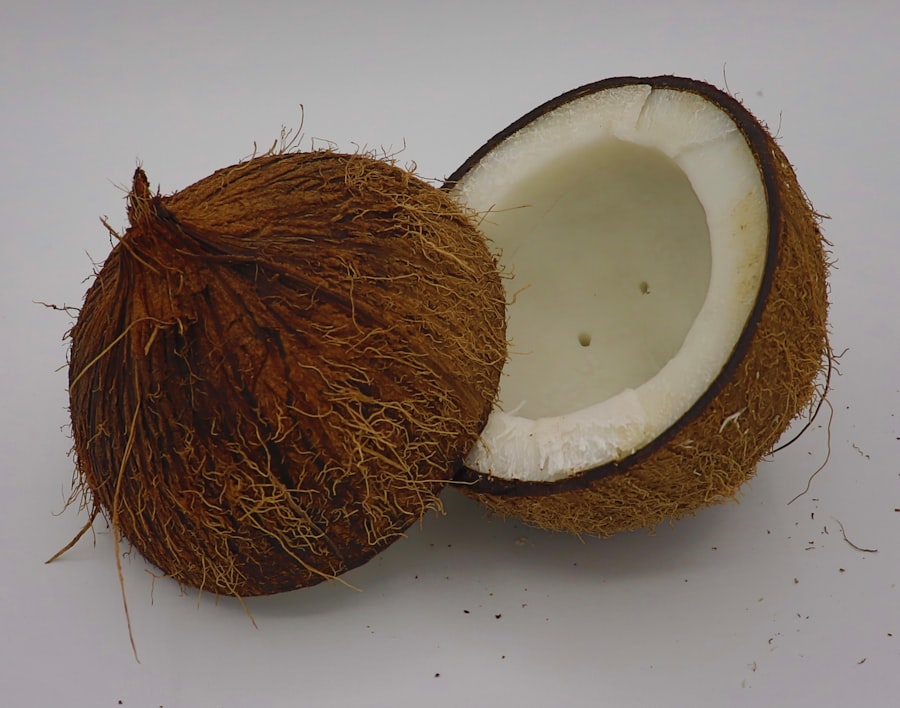
These terms are your best friends. Virgin coconut oil is extracted without excessive heat or chemicals, preserving its beneficial compounds. Unrefined means it hasn’t been stripped of its natural flavor or aroma. Cold-pressed indicates that the oil was extracted using low temperatures, which helps to retain more nutrients. Avoid refined or fractionated coconut oil for deep hair treatments as they have undergone more processing.
4.1.2. Where to Find It
You can find high-quality virgin coconut oil in most health food stores, well-stocked grocery stores, and online retailers. Look for organic options if possible, for an extra layer of assurance.
4.2. Application Methods: Tailoring to Your Needs
Experimenting with different application methods will help you find what works best for your hair type and concerns.
4.2.1. The Pre-Shampoo Treatment (Hot Oil Treatment)
This is perhaps the most effective way to leverage coconut oil’s penetrating power.
- Steps:
- Gently warm about 2-4 tablespoons of coconut oil (adjust based on hair length and thickness) in a bowl. You can do this by placing the bowl over a pot of warm water (double boiler method) or briefly microwaving it in short bursts, ensuring it’s warm, not hot.
- Apply the warm oil to dry hair, focusing on the mid-lengths and ends, as these are typically the most damaged. You can also massage it into your scalp to stimulate follicles.
- Gently comb through your hair to ensure even distribution.
- Cover your hair with a shower cap or a warm towel to trap heat, which helps the oil penetrate deeper.
- Leave it on for at least 30 minutes, or for a more intensive treatment, leave it on overnight.
- Wash your hair thoroughly with a gentle shampoo, and follow with conditioner. You might need to shampoo twice to remove all residue.
4.2.2. Overnight Deep Conditioning Treatment
For a more intensive repair and moisture boost.
- Steps:
- Apply a small amount of virgin coconut oil (about 1-2 tablespoons) to dry hair, focusing on the ends and any particularly damaged sections.
- Use a wide-tooth comb to distribute evenly.
- Tie your hair up loosely and cover your pillow with a towel to protect it. You can also wear a silk or satin bonnet.
- Leave the oil in overnight.
- Wash your hair as usual in the morning.
4.2.3. Scalp Massage for Growth Stimulation
Directly targeting your scalp for optimal follicle health.
- Steps:
- Take a small amount of virgin coconut oil (about 1 teaspoon) and warm it between your palms.
- Apply the oil directly to your scalp.
- Using your fingertips, gently massage the oil into your scalp in circular motions for 5-10 minutes.
- You can leave this on for at least 30 minutes before washing, or even leave it overnight.
4.3. Frequency and Tips for Best Results
Consistency is key with natural remedies.
4.3.1. How Often Should You Use It?
For damaged and thinning hair, aim for a pre-shampoo treatment or overnight treatment 1-2 times per week. For scalp massages, you can do them more frequently, even daily if your scalp isn’t prone to getting oily quickly.
4.3.2. Overcoming Residue Issues
If you find coconut oil leaves your hair feeling heavy or greasy, try using less, ensure you’re washing it out thoroughly, or consider a sulfate-free shampoo designed for clarifying. For very fine hair, you might need to limit the amount you use or focus only on the ends.
4.3.3. Listen to Your Hair and Scalp
Everyone’s hair is unique. Pay attention to how your hair responds. If you experience any irritation, reduce the frequency or amount of oil used. The goal is to nourish, not to overwhelm.
If you’re exploring natural remedies for damaged and thinning hair, you might find that coconut oil is a popular choice due to its nourishing properties. Additionally, many people have reported positive results from using onion juice as a treatment for hair growth and thickness. For more information on this effective remedy, you can check out this insightful article on onion juice for hair growth. Combining these natural treatments could provide a comprehensive approach to revitalizing your hair.
5. Beyond the Oil: Complementary Practices for Thicker, Healthier Hair
| Benefits of Coconut Oil for Damaged Thinning Hair |
|---|
| 1. Nourishes the scalp and hair follicles |
| 2. Moisturizes and conditions the hair |
| 3. Reduces protein loss in hair |
| 4. Promotes hair growth |
| 5. Adds shine and luster to the hair |
Coconut oil is a powerful ally, but it’s most effective when part of a holistic approach to hair care. Maximizing your results means considering other factors that impact hair health.
5.1. Diet and Nutrition: Fueling Your Follicles from Within
What you eat directly impacts the health of your hair.
5.1.1. Protein Power
Hair is primarily made of protein (keratin). Ensure your diet is rich in lean protein sources like chicken, fish, eggs, beans, and lentils.
5.1.2. Vitamins and Minerals for Hair Health
B vitamins (especially biotin), vitamin E, vitamin C, iron, and zinc are crucial for hair growth and strength. Incorporate leafy greens, nuts, seeds, fruits, and whole grains into your meals.
5.1.3. Stay Hydrated
Drinking plenty of water is essential for overall health, including healthy hair. Dehydration can make hair brittle and prone to breakage.
5.2. Gentle Hair Care Practices: Minimizing Further Damage
Once you start repairing your hair, it’s vital not to undo your progress.
5.2.1. Minimize Heat Styling
Whenever possible, air dry your hair. If you must use heat tools, always apply a heat protectant spray.
5.2.2. Avoid Harsh Chemical Treatments
Coloring, perming, and relaxing treatments can be incredibly damaging. Discuss less damaging alternatives with your stylist or space out treatments.
5.2.3. Gentle Washing and Drying
Use lukewarm water, as hot water can strip natural oils. Be gentle when shampooing and conditioning, and avoid vigorous rubbing with a towel. Instead, gently pat or squeeze out excess water.
5.2.4. The Right Tools
Use wide-tooth combs for detangling, starting from the ends and working your way up. Avoid brushing wet hair aggressively, as it’s more susceptible to breakage.
5.3. Managing Stress and Lifestyle Factors
Your overall well-being significantly affects your hair.
5.3.1. Stress Reduction Techniques
Chronic stress can contribute to hair thinning. Explore stress-management techniques such as meditation, yoga, deep breathing exercises, or spending time in nature.
5.3.2. Adequate Sleep
Our bodies repair and regenerate during sleep, and this includes hair follicle activity. Aim for 7-9 hours of quality sleep per night.
5.3.3. Regular Exercise
Improved circulation from exercise benefits your entire body, including your scalp, delivering vital nutrients to hair follicles.
By integrating coconut oil into your routine and embracing these complementary practices, you’re not just treating symptoms; you’re cultivating a healthier environment for your hair to recover and flourish. You’re taking a proactive, informed approach to reclaiming the health and appearance of your thinning hair.
FAQs
What are the benefits of using coconut oil for damaged, thinning hair?
Coconut oil is known for its ability to penetrate the hair shaft, providing deep conditioning and strengthening for damaged hair. It also contains lauric acid, which has antimicrobial properties that can help improve scalp health and promote hair growth.
How should coconut oil be used for damaged, thinning hair?
Coconut oil can be used as a pre-shampoo treatment, a leave-in conditioner, or a styling product. It is best applied to damp hair, focusing on the mid-lengths and ends, and can be left on for at least 30 minutes before shampooing.
Is coconut oil suitable for all hair types?
Coconut oil is generally suitable for all hair types, but those with fine or thin hair may want to use it sparingly to avoid weighing down the hair. It is important to patch test coconut oil before use to ensure it does not cause any adverse reactions.
Are there any potential drawbacks to using coconut oil for damaged, thinning hair?
While coconut oil can be beneficial for many, some individuals may find that it causes buildup or makes their hair feel greasy. It is important to use coconut oil in moderation and to find the right amount for your hair type.
Can coconut oil help with hair growth and regrowth?
Coconut oil can help improve scalp health and reduce breakage, which may indirectly support hair growth and regrowth. However, it is not a guaranteed solution for hair loss and should be used in conjunction with other hair care practices for best results.