You’re staring at your brush after a good comb-through, and it’s just… too much. More hair than you’d expect, more than you’re comfortable with, clinging to those bristles like a sad, hairy ghost. You’ve tried everything, right? Expensive serums, diet changes, gentle brushing. But what if the culprit isn’t what you’re doing to your hair, but what you’re doing to it in the shower? As your Listicle Content Architect, I’m here to decode the everyday habits that might be silently contributing to your hair loss, starting with the place you probably feel is your hair’s sanctuary: the wash. Get ready to re-evaluate your routine, because these hair washing mistakes could be costing you your precious strands.
You think you’re giving your scalp a good cleanse by aggressively massaging shampoo in, but you’re likely causing more harm than good. It’s a common misconception that a vigorous scrub is necessary for clean hair. In reality, your scalp is a delicate ecosystem, and excessive friction can be incredibly damaging.
Raking Your Scalp with Force
When you lather up, do you treat your scalp like a stubborn stain on a rug, attacking it with the pads of your fingers and fingernails? This aggressive approach can lead to irritation, inflammation, and even micro-tears on the scalp. These tiny injuries can weaken the hair follicles, making them more susceptible to falling out. Think of it like tugging on a plant’s roots – eventually, it’s going to get loose and fall out. Your hair follicles are no different.
Fingernails as Your Weapon of Choice
While you might feel like you’re getting deep down to the scalp with your fingernails, this is one of the most damaging things you can do. Fingernails are sharp and can easily scratch and irritate the scalp. Over time, repeated scratching can damage the hair follicles and even lead to scarring alopecia, a condition where hair follicles are destroyed and replaced by scar tissue, leading to permanent hair loss. You’re essentially creating a hostile environment for your hair to grow.
The “Cleanliness” Illusion
The intense scrubbing might give you the feeling of a thoroughly clean scalp, but it’s often an illusion. You’re likely just irritating the blood vessels and creating inflammation, which can hinder hair growth. A gentle massage is all that’s needed to distribute the shampoo and cleanse the scalp. You want to stimulate blood flow, not traumatize the skin.
Gentle Circular Motions are Key
Instead of aggressive scrubbing, focus on using the pads of your fingertips to apply gentle, circular motions across your scalp. This is enough to loosen dirt, oil, and product buildup without causing any damage. Imagine you’re giving your scalp a mini-massage; your hair follicles will thank you for the tender loving care. This mild stimulation can actually improve blood circulation to the scalp, which is beneficial for hair growth.
Many individuals are unaware that common hair washing mistakes can contribute to hair loss, leading to frustration and concern about their hair health. To further explore this topic, you can read an insightful article that discusses the impact of proper hair care routines on hair growth and maintenance. For more information, check out this article on Skalp being featured on the US talk show “The Doctors” at Skalp Featured on US Talk Show “The Doctors”.
2. The Temperature Tantrum: Blazing Hot Water vs. Your Hair Follicles
We all love that steamy shower, the kind that feels like a spa treatment. However, that intense heat might be sending your hair follicles into shock. Water temperature plays a significant role in how your hair and scalp react, and dialing it up too high can have detrimental effects.
Scalding the Strands: A Recipe for Disaster
Washing your hair with water that is too hot is akin to ironing your hair while it’s still wet. The high temperature can strip away the natural oils (sebum) that protect your hair and scalp. This natural protection is vital for maintaining moisture and keeping your hair healthy and strong. When these oils are removed, your hair becomes dry, brittle, and more prone to breakage. You’re essentially dehydrating your scalp and hair.
Damaging the Cuticle Layers
Hot water can also cause the hair cuticle – the outer protective layer of your hair shaft – to swell and lift. When the cuticle is lifted, the inner cortex of the hair is exposed, making it vulnerable to damage from environmental factors and styling. Repeated exposure to hot water can lead to a permanently raised cuticle, resulting in frizzy, dull, and easily damaged hair. Think of the cuticle like tiny shingles on a roof; hot water forces those shingles up and apart, leaving the house vulnerable.
The Drier the Scalp, the Higher the Risk
A dry, irritated scalp, a common consequence of washing with hot water, can also lead to increased hair shedding. When your scalp is parched, it’s less able to anchor your hair follicles securely. This can make your hair more likely to fall out during washing, brushing, or even just throughout the day. You might notice more hair in your shower drain or on your pillow when you’ve been consistently using very hot water.
Embracing Lukewarm and Cool Rinses
The ideal water temperature for washing your hair is lukewarm. It effectively cleanses your scalp and hair without stripping away essential oils or causing damage. For an added boost, finish your hair wash with a cool or cold water rinse. This helps to seal the hair cuticle, locking in moisture and making your hair appear shinier and smoother. It’s a simple switch that can make a significant difference in the health and strength of your hair.
3. The Product Piling Problem: Over-Shampooing and Under-Rinsing
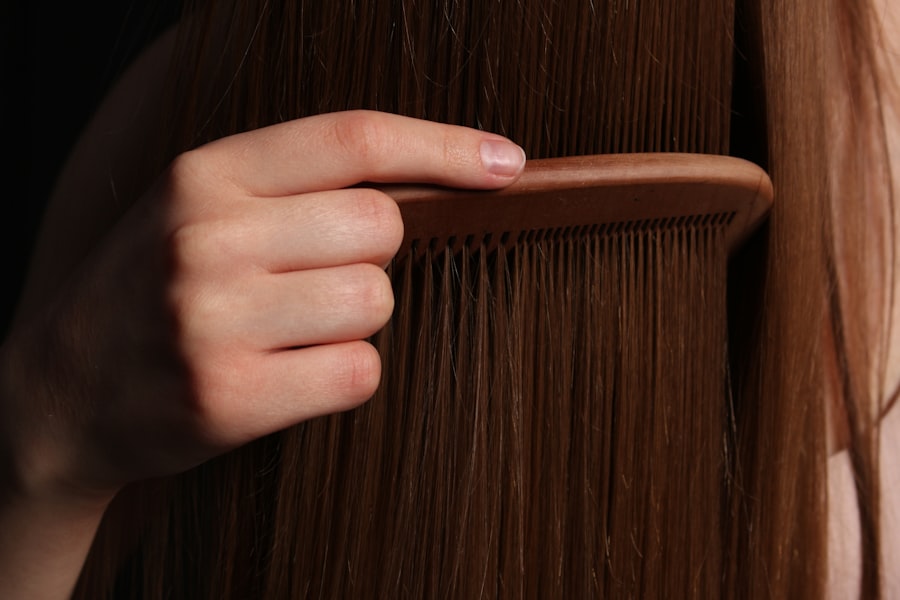
It’s easy to get caught in a cycle of over-washing or to feel like you haven’t rinsed enough. Both extremes can contribute to hair loss, by either stripping your scalp or leaving behind residues that can clog follicles. Finding that healthy balance is crucial.
Shampooing Too Frequently: Stripping Your Scalp Bare
You might think that daily shampooing is the key to cleanliness, but for many people, it’s an over-correction. Shampoo, especially those with harsh sulfates, is designed to remove oil and dirt. When you shampoo too often, you strip your scalp of its natural sebum. This can lead to your scalp overcompensating by producing even more oil, creating a cycle of greasiness and the urge to shampoo even more. Furthermore, this constant stripping can weaken the hair shaft and make it more susceptible to breakage. Your hair needs some of its natural oils to stay healthy and resilient.
The Residue Repercussions: Bottlenecks in Your Follicles
On the flip side, not rinsing your shampoo or conditioner thoroughly can leave behind product residue. These leftover ingredients can accumulate on your scalp, clogging your hair follicles. When follicles are clogged, it can impede hair growth and even lead to inflammation and minor infections. This can create an unhealthy environment for your hair to grow, making it thinner and weaker over time. You might notice a dullness to your hair or an itchy scalp if you’re not rinsing properly.
Judging Your Rinse: The Squeaky Clean Fallacy
A common mistake is to rely on the “squeaky clean” feeling as an indicator of a proper rinse. While the squeaky-clean sensation might feel good after a wash, it can also indicate that you’ve stripped away too much of your hair’s natural moisture. A proper rinse should leave your hair feeling smooth and hydrated, not stripped and brittle. Think of it as making sure every last bit of soap is gone, but without over-rinsing to the point of dryness.
The Art of the Thorough Rinse and Mindful Washing Schedule
To avoid over-shampooing, assess your hair type and lifestyle. If your hair isn’t particularly oily, you might only need to shampoo every other day or even less. When you do shampoo, focus on cleansing the scalp, where oil and product buildup are most prevalent. As for rinsing, take your time. Spend an extra minute or two ensuring all shampoo and conditioner are completely washed away. Run your fingers through your hair and feel for any slippery or slimy residue. It might take a bit longer, but it’s a vital step for healthy hair.
4. The Conditioner Conundrum: Applying It to the Roots
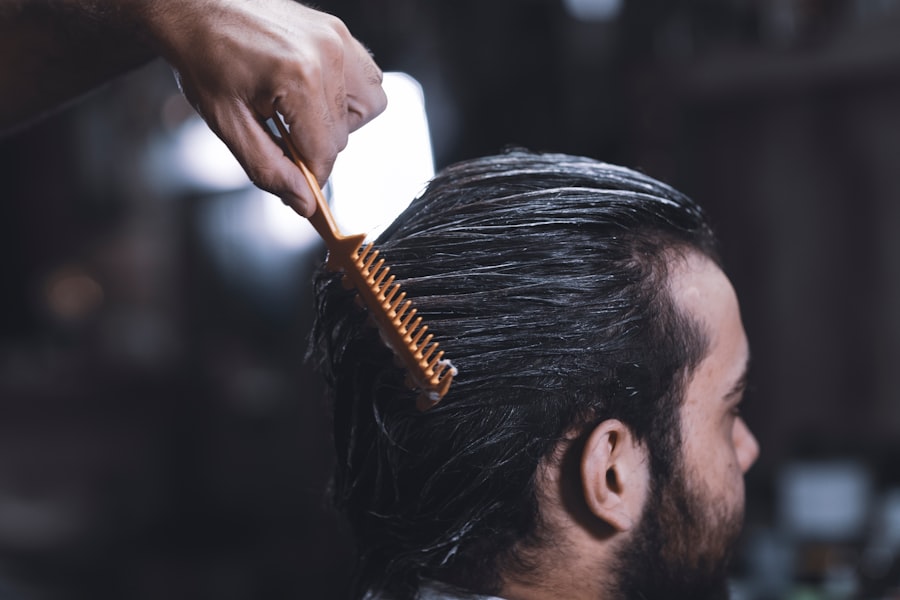
Conditioner is your hair’s best friend for moisture and manageability, but applying it incorrectly can be a major misstep that weighs down your hair and potentially impacts your scalp health. The most common blunder? Slathering it all the way up to your roots.
Coating Your Scalp: A No-Go Zone for Conditioner
The primary function of conditioner is to moisturize and smooth the hair shaft, from the mid-lengths to the ends. Applying it directly to your scalp can have several negative consequences. Your scalp naturally produces sebum, which is crucial for its health. Introducing heavy moisturizing agents from conditioner onto the scalp can disrupt this natural balance, leading to greasiness and potentially clogging hair follicles. This can stifle healthy hair growth and make your hair appear flatter and less voluminous.
Weighing Down Your Hairshafts
When conditioner is applied to the roots, it can coat the hair shafts too close to the scalp, making your hair feel heavy and limp. This lack of volume can make thinning hair appear even more noticeable. Over time, this can create a feeling of “flatness” that is hard to shake, and the weight can put extra stress on the hair follicles, potentially contributing to breakage and shedding.
The Root of All Scalp Problems
| Common Hair Washing Mistakes | Impact on Hair Loss |
|---|---|
| Using hot water | Can strip natural oils and cause dryness |
| Over-washing | Can lead to excessive dryness and breakage |
| Using harsh shampoos | Can cause scalp irritation and hair damage |
| Not rinsing properly | Residue buildup can lead to hair thinning |
| Aggressive towel-drying | Can cause hair breakage and damage |
For those prone to scalp issues like dandruff or oiliness, applying conditioner to the roots can exacerbate these problems. The emollients and silicones in many conditioners can trap moisture and create a breeding ground for bacteria and fungi, leading to irritation, itching, and even hair loss. You’re essentially creating a damp, nutrient-rich environment that your scalp doesn’t need.
Targeting the Tips: The Golden Rule of Conditioning
The golden rule of conditioning is to apply it from the mid-shaft down to the ends of your hair. These are the oldest and often the driest parts of your hair, and they benefit most from the moisturizing properties of conditioner. Focus on distributing the product evenly through the lengths and ends, ensuring every strand gets a good dose of hydration. You can then use your fingers to gently draw the remaining residue down the hair shaft as you rinse.
Many people are unaware that their hair washing routine could be contributing to hair loss. Common mistakes, such as using the wrong shampoo or washing hair too frequently, can lead to weakened strands and increased shedding. To learn more about how to prevent hair loss and maintain healthy hair, you might find this article on prevention of balding particularly helpful. It offers insights into various factors that can affect hair health and provides tips for achieving stronger, fuller hair.
5. The Towel Tangle Terror: Rubbing vs. Patting Your Wet Hair
Your hair is at its most vulnerable when it’s wet. It’s stretched, weaker, and more prone to damage. Yet, many of us treat this delicate state with the same aggression we’d use to dry off after a beach day – we rub. This common habit is a silent aggressor against your precious strands.
The Friction Freeway to Breakage
When you vigorously rub your wet hair with a towel, you’re creating immense friction. This friction can cause the hair shaft to break, especially along the weaker, mid-lengths. Imagine a bundle of wet threads; if you rub them vigorously, they’ll snag and break. Your hair works similarly. This breakage can manifest as split ends, frizz, and a general thinning of your hair over time. You might not see it happening in the moment, but the cumulative effect is significant.
Unraveling the Cuticle
Similar to hot water, rough towel drying can lift and damage the hair cuticle. This exposes the inner cortex, making your hair more susceptible to breakage and frizz. A healthy cuticle lies flat, protecting the inner structure of the hair. Aggressive rubbing can lift these protective layers, leaving your hair vulnerable and looking dull.
The Matting Mayhem
For those with longer or thicker hair, aggressive towel drying can lead to tangles and matting. Trying to detangle these knots can cause even more breakage as you pull and tug at the already weakened strands. This can be particularly painful and damaging for curly or wavy hair textures.
Embracing the Gentle Squeeze and Pat
The antidote to towel torture is to embrace gentleness. Instead of rubbing, gently squeeze excess water from your hair with the towel. You can also use a technique called “plopping,” where you wrap your hair loosely in the towel to absorb moisture without much friction. Soft, absorbent microfiber towels or an old cotton t-shirt are ideal for this purpose as they are much gentler on your hair than traditional terrycloth towels. The goal is to absorb water, not to aggressively scrub it away.
By understanding these common hair washing mistakes, you’re already on your way to a healthier scalp and stronger hair. Implementing these simple adjustments in your shower routine can make a noticeable difference in reducing hair loss and promoting a fuller, more vibrant head of hair. Your hair deserves this care, and by shifting your habits, you’ll be well on your way to keeping those precious strands where they belong – on your head.
FAQs
What are some common hair washing mistakes that can cause hair loss?
Some common hair washing mistakes that can lead to hair loss include using water that is too hot, washing hair too frequently, using harsh shampoos, vigorous towel-drying, and not properly rinsing out shampoo and conditioner.
How does using water that is too hot contribute to hair loss?
Hot water can strip the scalp and hair of natural oils, leading to dryness and potential damage to the hair follicles. This can result in hair loss over time.
Why is washing hair too frequently a mistake that can cause hair loss?
Washing hair too frequently can strip the scalp of its natural oils, leading to dryness and potential damage to the hair follicles. This can result in hair loss over time.
What role do harsh shampoos play in causing hair loss?
Harsh shampoos can strip the scalp and hair of natural oils, leading to dryness and potential damage to the hair follicles. This can result in hair loss over time.
How does vigorous towel-drying contribute to hair loss?
Vigorous towel-drying can cause friction and damage to the hair, leading to breakage and potential hair loss. It is best to gently pat the hair dry with a soft towel to minimize damage.