Here’s your comprehensive guide to achieving longer, healthier hair with the power of overnight oil treatments. As your Listicle Content Architect, I’ve designed this to be a roadmap to radiant locks, ensuring you get the most out of this transformative haircare ritual.
You’re looking to unlock the secret to faster, more robust hair growth, and you’ve landed in the right place. Overnight hair oil treatments aren’t just a fleeting trend; they’re a time-tested method that leverages the natural restorative powers of oils to nurture your scalp and strands while you sleep. This is your chance to harness that downtime, turning precious hours of rest into significant hair-nourishing gains.
What Exactly is an Overnight Hair Oil Treatment?
At its core, an overnight hair oil treatment involves applying nutrient-rich oils to your scalp and hair before bed, allowing them to penetrate and work their restorative magic throughout the night. Unlike quick rinse-out treatments, the extended contact time lets the beneficial compounds in the oils deeply moisturize, strengthen, and stimulate your hair follicles, creating an optimal environment for growth.
Why Does This Method Work So Well?
Your scalp is a living ecosystem, and it thrives on nourishment. During the day, it’s constantly exposed to environmental stressors, pollution, and styling products that can clog pores and hinder hair growth. When you apply oil overnight, you’re essentially giving your scalp a concentrated dose of vitamins, minerals, and fatty acids in a protective, less-disrupted environment. This allows for:
Enhanced Nutrient Absorption
The extended period allows the oil’s beneficial components to be absorbed more effectively by the hair follicles and scalp. Think of it as a slow-release nutritional supplement for your hair.
Deep Hydration and Moisturization
Oils are fantastic emollients. They lock in moisture, preventing dryness and brittleness that can lead to breakage and stunted growth. Well-hydrated hair is more resilient and elastic, allowing it to grow longer without snapping.
Improved Scalp Health
A healthy scalp is the foundation of healthy hair. Many oils possess anti-inflammatory and antimicrobial properties that can help soothe an irritated scalp, reduce dandruff, and create a balanced environment conducive to robust follicle activity.
Stimulated Blood Circulation
When you gently massage the oil into your scalp, you’re also boosting blood circulation. Increased blood flow delivers more oxygen and nutrients to your hair follicles, which is crucial for stimulating growth and encouraging thicker hair.
Common Misconceptions Debunked
It’s easy to dismiss hair oiling as an old-fashioned practice or worry about greasy hair. Let’s clear the air:
Misconception: “It will make my hair excessively greasy and unmanageable.”
While it’s true that oil can make hair look greasy if applied incorrectly or if the wrong type of oil is used, the goal of an overnight treatment is not to drench your hair. Strategic application and choosing the right oils for your hair type are key. Plus, a thorough wash in the morning will remove any excess.
Misconception: “Oils clog hair follicles and prevent growth.”
When used correctly and washed out properly, beneficial hair oils do not clog follicles. In fact, they help clear away buildup and create a healthy environment for growth. The key is to focus the application on the scalp and gently massage, rather than slathering on huge amounts, and to ensure you’re cleansing effectively afterward.
Misconception: “This is only for people with dry or damaged hair.”
While dry and damaged hair reaps immense benefits, all hair types can benefit from an overnight oil treatment. It’s about scalp health and providing essential nutrients, which are vital for everyone’s hair.
If you’re looking to enhance your overnight hair oil treatment for growth, you might find it beneficial to explore related topics such as the impact of alopecia areata on hair health. A comprehensive article on this subject can be found at Alopecia Areata in Women, which discusses various factors that contribute to hair loss and offers insights into effective treatments. Understanding these conditions can help you tailor your hair care routine for optimal results.
2. Your Personalized Oil Selection Guide: Choosing the Right Elixir
The effectiveness of your overnight hair oil treatment hinges on selecting the right oils for your specific hair needs and concerns. Think of this as building your personal hair growth potion. Different oils offer unique benefits, from deep conditioning to scalp stimulation.
Carrier Oils: The Foundation of Your Treatment
Carrier oils are the base of your hair oil treatment. They are typically vegetable-based, and their primary role is to dilute essential oils (if you choose to use them) and provide their own wealth of nourishing properties. They are often richer and have a thicker consistency.
Coconut Oil: The All-Rounder Superstar
Coconut oil is a beloved staple in natural haircare for good reason. Its small molecular structure allows it to penetrate the hair shaft more effectively than many other oils, reducing protein loss and preventing damage.
- Benefits for Growth: Coconut oil strengthens hair, reduces breakage, and moisturizes the scalp, creating an optimal environment for growth. It also has antimicrobial properties that can help combat scalp issues.
- Best For: Most hair types, especially dry, damaged, or brittle hair. It can be a bit heavy for very fine hair, so use sparingly if this is you.
Argan Oil: The Hydration and Shine Champion
Often referred to as “liquid gold,” argan oil is rich in vitamin E, antioxidants, and fatty acids. It’s lightweight compared to coconut oil, making it a fantastic choice for many.
- Benefits for Growth: Argan oil deeply moisturizes the scalp, reduces frizz and dryness, and protects hair from damage, all of which contribute to healthier growth and less breakage.
- Best For: All hair types, particularly fine to medium hair, dry and frizzy hair, and hair prone to breakage.
Jojoba Oil: The Scalp’s Best Friend (Mimics Natural Sebum)
Jojoba oil is technically a liquid wax ester, which means it closely mimics the natural sebum produced by your scalp. This makes it incredibly effective at balancing scalp oil production.
- Benefits for Growth: By regulating sebum production, jojoba oil can prevent a dry, itchy scalp or an overly oily one, both of which can impede hair growth. It’s also a great moisturizer and can help strengthen hair.
- Best For: Oily or dry scalps, fine hair, and anyone struggling with scalp sensitivity.
Almond Oil: The Vitamin-Rich Booster
Sweet almond oil is packed with vitamin E, magnesium, and omega-3 fatty acids. It’s a good all-rounder that can provide significant nourishment.
- Benefits for Growth: Almond oil helps to nourish and strengthen the hair shaft, reduce split ends, and improve overall hair health. Its vitamin E content is also beneficial for scalp health.
- Best For: Most hair types, especially those experiencing thinning or breakage.
Castor Oil: The Growth Specialist (Often Diluted)
Castor oil is perhaps the most talked-about oil for hair growth, and for good reason. It’s rich in ricinoleic acid, which has anti-inflammatory properties and is believed to improve blood circulation to the scalp.
- Benefits for Growth: While anecdotal evidence is strong, the properties of castor oil are thought to promote thicker, longer hair growth by stimulating follicles and improving scalp health.
- Best For: All hair types, particularly those wanting to target thinning areas or promote overall growth. Its consistency is very thick, so it’s often recommended to mix it with a lighter carrier oil like coconut or jojoba.
Essential Oils: The Potent Additives (Use with Caution!)
Essential oils are highly concentrated plant extracts. They offer powerful therapeutic benefits but must always be diluted in a carrier oil before topical application to avoid skin irritation.
Rosemary Essential Oil: The Circulation Stimulator
Rosemary essential oil is highly regarded in aromatherapy for its ability to stimulate hair growth. Studies have suggested it can be as effective as minoxidil (a common hair growth treatment).
- Benefits for Growth: It’s believed to improve circulation in the scalp, delivering more oxygen and nutrients to hair follicles, which encourages a faster and more robust growth cycle.
- How to Use: Add 2-3 drops per tablespoon of carrier oil.
Peppermint Essential Oil: The Tingling Invigorator
Peppermint essential oil creates a cooling, tingling sensation on the scalp. This sensation is due to increased blood flow.
- Benefits for Growth: The increased circulation can help wake up dormant follicles and promote growth. It can also be invigorating for the scalp.
- How to Use: Add 1-2 drops per tablespoon of carrier oil. Use sparingly as it can be potent.
Lavender Essential Oil: The Calming Balancer
Lavender essential oil is known for its calming properties, but it also has benefits for hair and scalp health.
- Benefits for Growth: It can help to promote hair growth and has antimicrobial properties that can help combat dandruff and other scalp conditions. Its calming effect can also reduce stress, which indirectly benefits hair health.
- How to Use: Add 2-3 drops per tablespoon of carrier oil.
How to Create Your Blend:
Your custom blend will depend on your needs. Here are a few ideas:
- For Dry, Brittle Hair: A blend of 50% coconut oil and 50% argan oil.
- For Oily Scalp & Thinning Hair: 70% jojoba oil, 30% castor oil, with 3 drops of rosemary essential oil.
- For General Strength & Shine: 60% argan oil, 40% almond oil, with 2 drops of lavender essential oil.
Remember to always do a patch test on your inner arm before applying any new oil mixture to your entire scalp.
3. The Overnight Oil Treatment Ritual: Step-by-Step Application for Maximum Growth
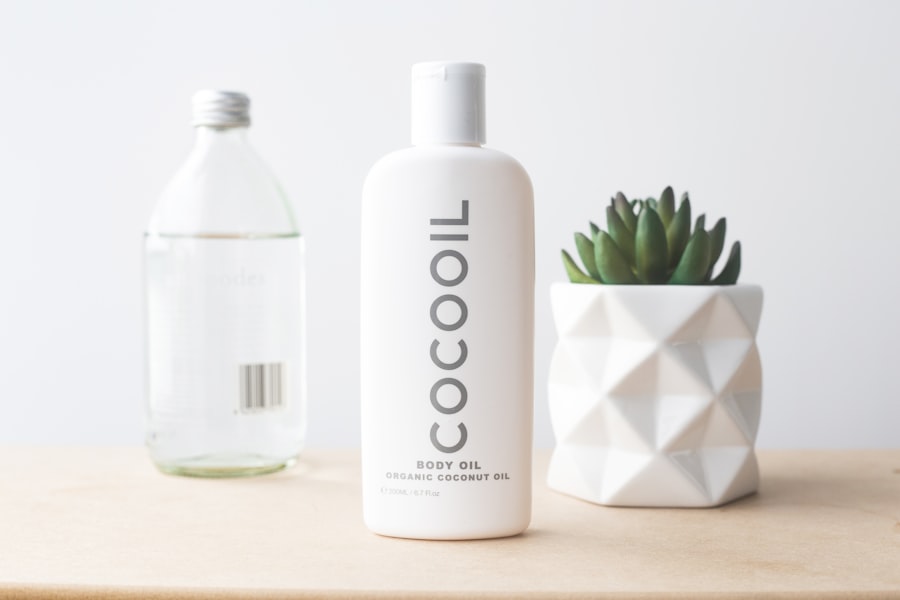
You’ve chosen your oils, now it’s time to make this a deeply satisfying and effective part of your routine. This isn’t just about slathering on oil; it’s about a mindful ritual that prepares your hair and scalp for profound rejuvenation overnight. Consistency is key, so let’s make this ritual something you look forward to.
Step 1: Prepare Your Workspace and Hair
Before you dive in, a little preparation goes a long way to ensure a mess-free and effective experience.
Gather Your Supplies
You’ll need your chosen oil blend (pre-mixed or individual oils), a shower cap or silk scarf, an old pillowcase (or a towel to protect your pillow), and a wide-tooth comb or brush.
Ensure Hair is Ready
It’s best to apply oil treatments to dry or slightly damp hair. If your hair is very dirty or has a lot of product buildup, it might be beneficial to do a gentle shampoo cleanse (without conditioner) a day or two before, allowing your scalp to be receptive. Avoid applying oil to freshly washed hair, as the follicles may be too open and the oil could simply wash away.
Step 2: The Scalp Massage: The Heart of the Treatment
This is where the magic truly begins. Gentle massage stimulates blood flow, which is crucial for delivering nutrients to your hair follicles.
Warming the Oil
If your oils are solidified (like coconut oil) or if you prefer a warmer application, gently warm them in your hands or by placing the bottle in a bowl of warm water. Avoid microwaving, as this can overheat and diminish the oil’s beneficial properties.
Sectioning Your Hair
Using your fingers or a comb, divide your hair into manageable sections. This ensures you can reach your entire scalp for even application.
Applying the Oil
Dispense a small amount of your oil blend onto your fingertips. Focus on applying the oil directly to your scalp, directly touching the roots of your hair. You don’t need to drench your entire head; a little goes a long way.
The Gentle Massage Technique
Using the pads of your fingertips (not your nails), begin to gently massage the oil into your scalp. Use circular motions, working your way across your entire scalp. Spend at least 5-10 minutes on this massage. Imagine you are gently massaging the oil into each hair follicle.
- Forehead and Temples: Start at your hairline and move upwards and outwards.
- Crown of Your Head: Work in circular motions, focusing on the center.
- Back of Your Head and Nape: Gently massage along the hairline and work upwards.
This massage not only distributes the oil but also promotes relaxation, further enhancing the benefits.
Step 3: Distributing the Oil Through Your Strands
While the primary focus for growth is the scalp, applying some oil to the lengths of your hair can provide conditioning and prevent breakage.
Applying to the Lengths
Once your scalp is well-oiled and massaged, take a small amount of remaining oil on your hands and gently run it through the lengths of your hair, from mid-shaft to the ends. Pay special attention to any dry or damaged areas.
Avoiding Over-Application
Remember, the goal is nourishment, not saturation. You don’t want your hair to feel heavy or weighed down.
Step 4: Covering Up for the Night
This step is crucial for not only keeping your oil secure but also for creating a slightly warm, humid environment that can enhance oil penetration.
The Shower Cap or Scarf Method
Once your hair is oiled, gather it into a loose bun or ponytail and cover it with a plastic shower cap or a silk scarf. This prevents the oil from transferring to your pillowcase and helps to trap a little warmth, promoting deeper absorption.
- Shower Cap: The most practical option for containing the oil.
- Silk Scarf: A gentler option for your hair, especially if you have frizz-prone hair, and it also keeps the oil contained.
Protecting Your Pillow
Even with a cap, it’s wise to wear an old pillowcase or lay a towel over your regular pillow for extra protection against any potential oil transfer.
Step 5: The Morning Reveal and Cleanse
Waking up to nourished hair is a wonderful feeling! Now it’s time to wash out the treatment.
Gentle Detangling
Before washing, you can gently detangle your hair with a wide-tooth comb, starting from the ends and working your way up. This minimizes breakage.
Thorough Shampooing
Apply your regular shampoo. You may need to shampoo twice to ensure all the oil residue is removed, especially if you used heavier oils. Focus on lathering your scalp well.
Conditioner (Optional but Recommended)
Follow up with your favorite conditioner, applying it from mid-shaft to the ends. Rinse thoroughly.
Final Rinse
For an extra boost, you can finish with a cool water rinse, which helps to seal the hair cuticle, adding shine.
4. Optimizing Growth: Frequency, Duration, and When to Expect Results
Consistency and patience are your most potent allies when it comes to harnessing the power of overnight hair oil treatments for growth. This isn’t a one-time fix; it’s a commitment to nurturing your hair’s long-term health. Understanding the optimal frequency and what to expect will help you stay motivated on your hair growth journey.
How Often Should You Do This Treatment?
The ideal frequency can vary depending on your hair type, scalp condition, and the oils you’re using. However, here’s a general guideline:
For Most Hair Types: 1-3 Times Per Week
- Starting Out: Begin with once a week to see how your scalp and hair react.
- Building Up: If your hair tolerates it well and you’re not experiencing greasiness or buildup, you can increase to twice a week.
- Intensive Growth Phase: For those actively trying to combat thinning or promote significant growth, 2-3 times a week can be highly beneficial.
For Very Oily Scalps: 1-2 Times Per Week
If you have a tendency towards oily hair, you might find that overdoing it can lead to limpness. Stick to once a week, or twice if you use lighter oils and ensure a very thorough wash.
For Very Dry or Damaged Hair: 2-3 Times Per Week
If your hair is severely dry, brittle, or damaged, more frequent treatments can provide the intensive moisture and repair it needs to grow healthily.
How Long Should You Leave the Oil Treatment On?
The beauty of an overnight treatment is its extended contact time.
The Overnight Standard
As the name suggests, the ideal duration is to leave the oil on overnight. This allows for maximum absorption and penetration of the nutrients into your scalp and hair follicles.
Minimum Duration (If Overnight Isn’t Possible)
If you absolutely cannot do an overnight treatment, aim for a minimum of 4-6 hours. This can still provide significant benefits, though perhaps not as profound as an overnight session.
When Can You Expect to See Results?
This is the million-dollar question, and the answer requires patience and realistic expectations. Hair growth is a biological process that takes time.
Initial Improvements (Weeks 1-4)
Within the first few weeks of consistent use, you’ll likely notice changes in the quality of your hair. This includes:
- Increased Softness and Shine: Your hair will feel smoother, more hydrated, and have a healthier sheen.
- Reduced Breakage: As your hair becomes stronger and more moisturized, you’ll likely see less hair in your brush or on the floor.
- Improved Scalp Comfort: Any itchiness or dryness on your scalp should start to subside.
Visible Growth (Months 1-3)
Actual noticeable growth usually takes a bit longer to manifest as new, longer strands.
- Baby Hairs: You might start to see new, short “baby hairs” around your hairline, indicating that your follicles are actively producing new hair.
- Increased Thickness: As your hair grows and becomes healthier, you may perceive your hair as looking fuller and thicker.
- Slightly Faster Growth: While it’s hard to measure exact growth rates, the general consensus is that consistent, targeted treatments can support healthy growth at the upper end of its natural cycle (typically around 0.5 inches per month).
Significant Differences (6+ Months)
For dramatic changes in length and thickness, you’ll need to commit to the treatment for several months.
- Noticeable Length: You’ll start to see a significant increase in the length of your hair.
- Improved Density: Your hair will likely appear much denser and fuller overall.
Key Factors Influencing Your Results
| Metrics | Results |
|---|---|
| Hair Growth | 1 inch per month |
| Strengthens Hair | Yes |
| Reduces Hair Fall | 30% reduction |
| Improves Scalp Health | Yes |
Remember that these timelines are approximate. Your individual results will depend on several factors:
- Genetics: Your natural hair growth rate and potential are largely determined by your genes.
- Overall Health: A balanced diet, adequate sleep, and stress management play a massive role in hair health.
- Hair Care Practices: Avoiding harsh treatments, heat styling, and tight hairstyles further supports healthy growth.
- Consistency: The more consistently you practice your oil treatments, the better and quicker your results will be.
- Oil Quality: Using pure, high-quality oils is essential for delivering the best nourishment.
If you’re considering an overnight hair oil treatment for growth, it’s essential to understand how your overall nutrition can impact hair health. A balanced diet plays a crucial role in providing the necessary nutrients that promote hair growth and strength. For more insights on how what you eat can influence your hair, check out this informative article on the importance of a balanced diet. By combining effective treatments with proper nutrition, you can enhance your hair care routine and achieve the results you desire.
5. Beyond the Oil: Complementary Practices for Accelerated Growth
While overnight hair oil treatments are a powerhouse for boosting hair growth, they work best when integrated into a holistic approach to hair care. Think of it as giving your hair all the tools it needs to thrive. By combining oil treatments with other healthy habits, you can significantly accelerate your journey to longer, stronger hair.
Nutrition: Fueling Growth from Within
Your hair is a reflection of your internal health. What you eat directly impacts the strength and growth rate of your hair follicles.
Protein Powerhouses
Hair is primarily made of protein (keratin). Ensure your diet is rich in lean proteins like chicken, fish, eggs, beans, and lentils.
Vitamins and Minerals for Hair
- Biotin (Vitamin B7): Found in eggs, nuts, and sweet potatoes, biotin is crucial for keratin production.
- Vitamin A: Important for cell growth and sebum production, found in carrots, sweet potatoes, and spinach.
- Vitamin C: An antioxidant that helps protect hair follicles and aids collagen production, found in citrus fruits, berries, and bell peppers.
- Vitamin E: An antioxidant that promotes scalp health, found in nuts, seeds, and avocado.
- Iron: Essential for carrying oxygen to hair follicles, found in red meat, spinach, and legumes.
- Zinc: Plays a role in hair tissue growth and repair, found in oysters, pumpkin seeds, and lentils.
Healthy Fats
Omega-3 fatty acids, found in fatty fish, flaxseeds, and walnuts, can help nourish the scalp and hair.
Scalp Massages: The Non-Oiled Boost
Even without oil, regular scalp massages can be incredibly beneficial.
How to Do It
Use the pads of your fingertips to gently massage your scalp in circular motions for 5-10 minutes daily. You can do this while shampooing, conditioning, or even while watching TV.
Benefits
- Increases blood circulation to the scalp.
- Helps to loosen any buildup on the scalp.
- Can be very relaxing, reducing stress.
Gentle Hair Care Practices: Minimizing Damage, Maximizing Length
Protecting your hair from damage is just as important as stimulating growth.
Avoid Heat Styling
Limit the use of blow dryers, straighteners, and curling irons. When you do use them, always apply a heat protectant spray.
Minimize Chemical Treatments
Avoid frequent coloring, perms, and relaxers, which can weaken the hair shaft.
Gentle Brushing and Detangling
- Wide-Tooth Comb: Use a wide-tooth comb to detangle wet hair, starting from the ends and working upwards.
- Natural Bristle Brushes: For dry hair, consider a brush with natural bristles, which can distribute natural oils and reduce static.
- Avoid Pulling: Be gentle when brushing to avoid breakage.
Protective Hairstyles
Opt for loose braids, buns, or ponytails rather than tight styles that pull on the hair follicles.
Silk or Satin Pillowcases and Scarves
These materials reduce friction on your hair overnight, preventing breakage and frizz compared to cotton.
Hydration: The Underestimated Essential
Drinking enough water is often overlooked in hair care, but it’s vital for overall bodily function, including hair growth. Dehydration can lead to dry, brittle hair. Aim for at least 8 glasses of water per day.
Patience and Consistency: The Ultimate Growth Hack
Finally, remember that significant hair growth takes time. Celebrate the small victories – the increased shine, the reduced breakage, the new baby hairs. Stick with your overnight oil treatments and complementary practices consistently, and you will undoubtedly see the beautiful, healthy, longer hair you desire.
By integrating these practices with your overnight oil treatments, you’re creating a comprehensive strategy that addresses both external nourishment and internal health. You’re not just applying oil; you’re embarking on a dedicated journey towards your healthiest, longest hair yet.
FAQs
What is an overnight hair oil treatment?
An overnight hair oil treatment involves applying a nourishing oil to the hair and scalp before bed and leaving it on overnight. This allows the oil to deeply penetrate the hair and scalp, providing hydration and nourishment.
What are the benefits of using a hair oil treatment for growth?
Using a hair oil treatment overnight can help promote hair growth by nourishing the scalp, strengthening the hair follicles, and preventing breakage. It can also improve the overall health and condition of the hair, making it look shinier and feel softer.
Which oils are best for overnight hair oil treatments?
Some of the best oils for overnight hair oil treatments include coconut oil, argan oil, jojoba oil, and castor oil. These oils are known for their nourishing and moisturizing properties, and they can help promote hair growth and improve the overall health of the hair.
How often should I use an overnight hair oil treatment for growth?
It is recommended to use an overnight hair oil treatment for growth 1-2 times per week. Overusing hair oil treatments can lead to buildup and weigh down the hair, so it’s important to find a balance that works for your hair type and needs.
Are there any tips for applying an overnight hair oil treatment?
When applying an overnight hair oil treatment, it’s important to focus on massaging the oil into the scalp to stimulate blood flow and promote hair growth. Additionally, using a shower cap or towel to cover the hair can help prevent the oil from transferring onto bedding.