You’re looking to unlock your hair’s full growth potential, and you’ve come to the right place. As the Listicle Content Architect, my mission is to break down complex topics into actionable, easy-to-follow lists, and today, we’re diving deep into the world of accelerated hair growth. Forget overnight miracles; true growth is a journey fueled by consistent, intelligent care. This listicle will guide you through crafting the ultimate daily hair care routine designed to foster a lusher, longer mane. Get ready to transform your hair, one step at a time.
Your scalp is the garden where your hair grows. Just like any garden, it needs proper nourishment and a healthy environment to flourish. Neglecting your scalp is akin to planting seeds in infertile soil – you won’t get the results you desire. This section focuses on the crucial daily practices that create the perfect conditions for robust hair growth.
1.1. Gentle Cleansing: Ditch the Harshness, Embrace the Balance
The most frequent mistake people make with hair care is over-washing or using products that strip the scalp of its natural oils. These oils are vital for keeping your scalp hydrated and creating a protective barrier.
- Daily Frequency – The Nuance: While “daily” might sound like a lot, for some, it’s a necessity, for others, it’s too much. The key is listening to your hair. If your scalp feels perpetually oily, itching, or you notice flakes even after washing, you might need to wash daily. If your hair feels dry, brittle, or your scalp feels tight and uncomfortable after washing, you might need to extend the time between washes. For faster growth, a clean scalp is paramount, but so is maintaining its natural balance. Consider a co-wash (conditioner-only wash) on days you don’t shampoo.
- Sulfate-Free Shampoos are Your Best Friend: Sulfates are harsh detergents that can strip your scalp and hair of essential moisture, leading to dryness and breakage – the very things that hinder growth. Opt for sulfate-free shampoos that gently cleanse without compromising your scalp’s health. Look for ingredients like natural glycerin, aloe vera, and botanical extracts that contribute to hydration.
- The Art of the Scalp Massage During Washing: This is non-negotiable for faster growth. When you shampoo, don’t just scrub your hair strands. Spend a good 2-3 minutes massaging your scalp with the pads of your fingertips in gentle, circular motions. This stimulates blood circulation, delivering vital nutrients and oxygen to your hair follicles. Think of it as kickstarting the engine for hair production.
- Rinse Thoroughly, Always: Even with gentle shampoos, lingering residue can clog follicles and weigh down your hair. Ensure you rinse all shampoo and conditioner from your scalp and hair until the water runs clear.
1.2. Scalp Stimulation: Beyond the Wash
Washing is just one part of scalp care. Daily, dedicated stimulation is what truly revs up the growth engine.
- The Power of a Scalp Massager: Investing in a silicone scalp massager is a game-changer. You can use it daily, even on dry hair, to invigorate your scalp. It mimics the finger-massage action but with consistent pressure and coverage. Use it for 5-10 minutes each day, focusing on circular motions all over your scalp. This not only promotes circulation but also helps to gently exfoliate dead skin cells, creating a cleaner canvas for hair growth.
- Oil Treatments for Targeted Nourishment: While not every day for everyone, incorporating a targeted scalp oil treatment a few times a week can be incredibly beneficial. Oils like rosemary, peppermint, castor, or jojoba oil are renowned for their hair-growth-promoting properties.
- Rosemary Oil: Known for its ability to improve circulation and stimulate hair follicles. Mix a few drops with a carrier oil (like jojoba or coconut oil) and massage into your scalp for 30 minutes before shampooing.
- Peppermint Oil: Creates a tingling sensation that indicates increased blood flow to the scalp. Dilute it heavily with a carrier oil to avoid irritation.
- Castor Oil: Rich in ricinoleic acid, which may help improve circulation and has anti-inflammatory properties. It’s thick, so you might want to mix it with a lighter oil.
- DIY Scalp Serums: Consider creating your own scalp serums by infusing carrier oils with herbs like nettle, fenugreek, or amla. Apply a small amount to your scalp daily or on alternate days, focusing on areas where you want to encourage growth.
1.3. Hydration is Key: Preventing Dryness and Breakage
A dry scalp is an unhappy scalp, and an unhappy scalp won’t support healthy hair growth. Daily hydration is crucial.
- Leave-In Conditioners for Scalp Health: Many leave-in conditioners are formulated not just for hair strands but also for the scalp. Look for lightweight, non-greasy formulas that provide moisture and can be applied directly to the scalp after washing. This helps to lock in hydration throughout the day.
- Hydrating Scalp Sprays: Water-based scalp sprays infused with ingredients like hyaluronic acid, aloe vera, or glycerin can be used throughout the day to refresh and hydrate your scalp, especially in dry climates or after exposure to harsh elements.
For those looking to enhance their daily hair care routine for faster growth, it’s beneficial to explore additional resources that provide valuable insights. One such article is “How to Grow Hair Faster Naturally,” which offers practical tips and natural remedies to promote hair growth effectively. You can read more about it by following this link: How to Grow Hair Faster Naturally. This resource complements your daily regimen by introducing methods that can further support your hair growth journey.
2. Nourishing Your Strands: Fortifying for Length Retention
Once you’ve established a healthy scalp environment, it’s time to focus on the hair strands themselves. Faster growth isn’t just about the rate at which your hair emerges from the scalp; it’s also about how well you retain that length by preventing breakage. This section delves into the daily practices that fortify your hair, allowing it to grow longer and stronger.
2.1. The Gentle Art of Detangling
Detangling is a daily necessity, but how you do it can make or break your hair’s journey to length. Aggressive detangling is a primary cause of breakage.
- Start from the Ends, Work Your Way Up: This is the golden rule of detangling. Always begin at the tips of your hair, gently working out knots. As you clear sections, move higher up the strand. If you start at the roots and pull down, you’ll end up bunching up all the tangles at the ends, creating more significant knots and causing breakage.
- Use a Wide-Tooth Comb or Your Fingers: These are your best allies. Wide-tooth combs are designed to glide through hair with minimal snagging. Your fingers, when used carefully, can also help you feel and gently tease apart knots. Avoid fine-tooth combs for daily detangling, especially when hair is wet and most vulnerable.
- Detangle When Damp, Not Soaking Wet: While some prefer wet detangling, hair is at its most elastic and prone to breakage when it’s soaking wet. Once your hair has lost its dripping wetness and is just damp, it becomes more manageable. If you prefer to detangle wet, ensure you’re using a good conditioner or detangling spray to provide slip.
- The Power of Detangling Sprays and Leave-In Conditioners: These products are your secret weapons. They provide lubrication, making it easier for the comb or fingers to glide through tangles without causing damage. Apply them evenly to your hair before you begin, focusing on areas prone to knots.
2.2. Conditioning: Beyond the Rinse
Conditioning isn’t just about making your hair feel soft; it’s about providing essential moisture and protection to the hair shaft, which is crucial for preventing breakage.
- Daily Leave-In Conditioner Ritual: This is a cornerstone of a fast-growth routine. After washing and rinsing, your hair needs ongoing hydration and protection. A good leave-in conditioner seals the cuticle, reduces frizz, and prevents water loss from the hair shaft. Apply it from mid-lengths to ends, and if your scalp can handle it, a little on the scalp can also provide much-needed moisture.
- Deep Conditioning Treatments (Incorporated Regularly): While not strictly a “daily” step, incorporating deep conditioning treatments 1-2 times a week is essential for replenishing lost moisture and repairing damage. These treatments are richer and provide more intense nourishment than regular conditioners. Look for formulas with ingredients like shea butter, argan oil, keratin, and silk proteins.
- Rinse with Cool Water: After conditioning, a final rinse with cool or lukewarm water helps to seal the hair cuticle, locking in moisture and making your hair appear shinier and smoother. Hot water can strip moisture and cause frizz.
2.3. Protecting Your Strands from Environmental Damage
Your hair is constantly exposed to damaging elements, from the sun to pollution. Daily protection is paramount for retaining length.
- Silk or Satin Pillowcases for Sleep: Cotton pillowcases can cause friction, leading to tangles and breakage. Switching to a silk or satin pillowcase significantly reduces this friction, allowing your hair to glide smoothly as you sleep. This minimizes morning knots and damage.
- Protective Hairstyles: Opting for loose, protective hairstyles daily can shield your hair from tangling, friction, and environmental stressors. Think loose braids, buns, or ponytails. Avoid styles that are too tight, as they can cause tension and breakage (traction alopecia). The key is to keep your hair contained and protected without putting undue stress on your follicles or strands.
- UV Protection for Hair: Just like your skin, your hair can be damaged by UV rays, leading to dryness, brittleness, and color fading. Look for hair products that offer UV protection, or consider wearing a hat or scarf when you’re spending extended periods in direct sunlight.
3. Essential Daily Habits for Scalp and Hair Health
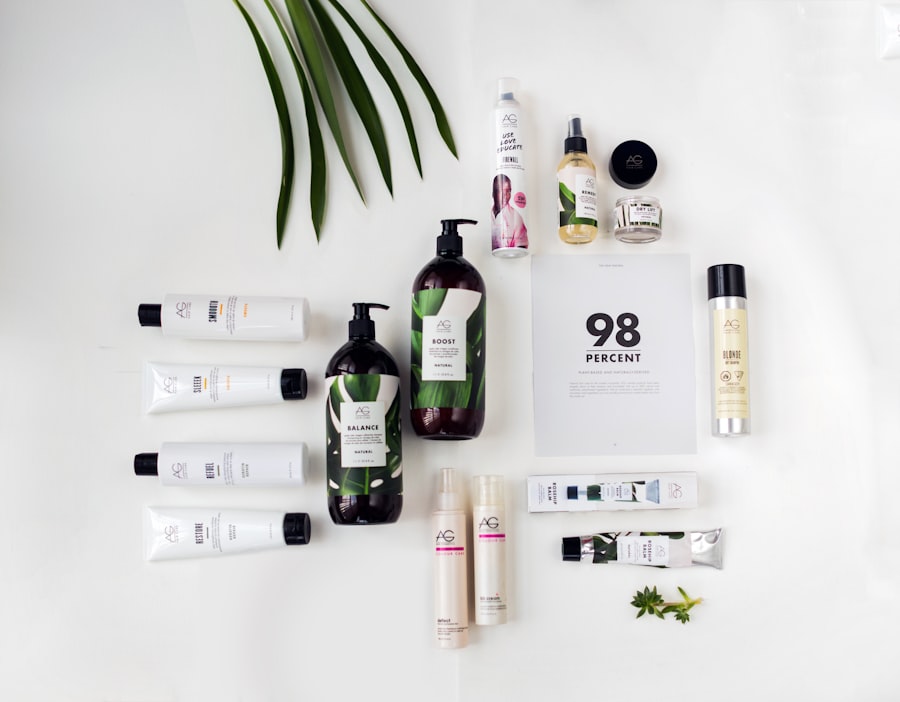
Beyond specific product applications, certain daily habits have a profound impact on both your scalp and your hair’s ability to grow. These are the small, consistent actions that contribute to a healthier ecosystem for your hair.
3.1. Hydration from Within: The Water Factor
You know water is essential for your overall health, but its role in hair growth is often underestimated.
- Constant Water Intake: Aim to drink at least 8 glasses of water daily. Dehydration can affect your entire body, including your hair follicles. When your body is properly hydrated, it can efficiently deliver nutrients and oxygen to your scalp, promoting healthier hair growth. Signs of dehydration include dry scalp, brittle hair, and increased shedding.
- Listen to Your Body’s Cues: Don’t just blindly follow a number. If you’re active or in a hot climate, you’ll need more water. A good indicator is the color of your urine – it should be pale yellow.
3.2. The Diet-Hair Connection: Fueling Growth from the Inside Out
What you eat directly impacts your hair’s health and growth rate. A balanced diet is a consistent daily effort.
- Protein Powerhouse: Hair is primarily made of protein (keratin). Ensure your daily diet includes adequate protein sources like lean meats, fish, eggs, beans, lentils, and nuts. Without enough protein, your body will prioritize other functions over hair growth, leading to slower growth and weaker strands.
- Vitamin Boost:
- Biotin (B7): This is the superstar vitamin for hair growth. Found in eggs, nuts, seeds, and sweet potatoes, biotin strengthens hair and promotes its growth.
- Vitamins A and C: These antioxidants are crucial for healthy cell turnover and collagen production, both of which benefit hair follicles. Citrus fruits, berries, leafy greens, and colorful vegetables are excellent sources.
- Vitamin D: Supports follicle cycling and creation. Sunlight exposure (safely!) is a good source, as are fatty fish and fortified foods.
- Vitamin E: An antioxidant that helps protect cells from damage. Found in nuts, seeds, and leafy greens.
- Mineral Matters:
- Iron: Iron deficiency (anemia) is a common cause of hair loss. Incorporate iron-rich foods like red meat, spinach, and lentils.
- Zinc: Essential for hair tissue growth and repair. Found in pumpkin seeds, lean beef, and chickpeas.
- Omega-3 Fatty Acids: These healthy fats nourish hair follicles and can help reduce inflammation on the scalp. Fatty fish like salmon and mackerel, as well as flaxseeds and walnuts, are great sources.
- Consider a Daily Multivitamin: If you struggle to get a balanced diet consistently, a high-quality multivitamin specifically formulated for hair, skin, and nails can help fill any nutritional gaps. Ensure it contains key ingredients like biotin, iron, zinc, and vitamins.
3.3. Stress Management: The Unseen Growth Inhibitor
Chronic stress is a major culprit behind poor hair health and even hair loss. Developing daily stress-management techniques is crucial.
- Mindfulness and Meditation: Even 5-10 minutes of daily mindfulness or meditation can significantly reduce stress levels. Focus on your breath, engage in body scans, or simply observe your thoughts without judgment.
- Deep Breathing Exercises: When you feel overwhelmed, take a few moments for deep, slow breaths. Inhale deeply through your nose, hold for a few seconds, and exhale slowly through your mouth. This simple act can calm your nervous system.
- Physical Activity: Regular exercise is a fantastic stress reliever. Whether it’s a brisk walk, yoga, or hitting the gym, engaging in physical activity releases endorphins, which have mood-boosting and stress-reducing effects. Aim for at least 30 minutes of moderate exercise most days of the week.
- Adequate Sleep: Aim for 7-9 hours of quality sleep per night. During sleep, your body repairs itself, including your hair follicles. Lack of sleep can disrupt hormonal balance and increase stress hormones, negatively impacting hair growth.
4. Styling and Handling: Minimizing Damage During Everyday Life
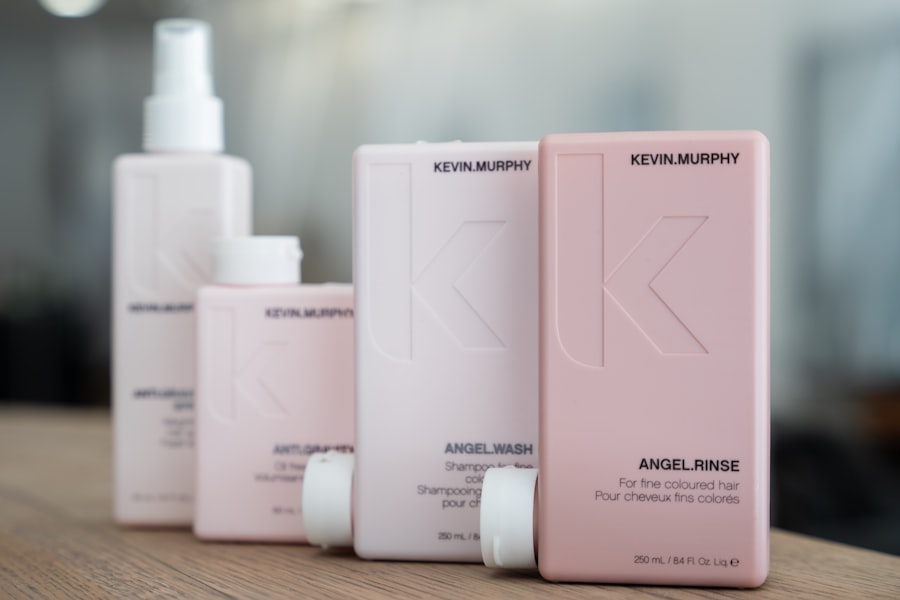
How you style and handle your hair throughout the day plays a significant role in its overall health and growth. From heat styling to brushing, every action counts.
4.1. Heat Styling: The Less You Use, The Better
Heat is one of the biggest enemies of healthy hair growth. It dries out strands, weakens the cuticle, and leads to breakage.
- Air Dry Whenever Possible: Embrace your natural texture! Make it a daily practice to air dry your hair as often as you can. This completely eliminates heat damage. If you’re concerned about frizz, experiment with different air-drying techniques and styling products designed to enhance your natural waves or curls.
- Lower Heat Settings are Your Friend: If you absolutely must use heat styling tools like a blow dryer, curling iron, or straightener, always use the lowest effective heat setting. Modern tools can style effectively at lower temperatures.
- Heat Protectant is Non-Negotiable: If heat styling is unavoidable, an excellent heat protectant serum or spray is your absolute must. Apply it generously to damp or dry hair before using any heat tool. Look for products that create a barrier and shield your hair from thermal damage. Reapply if you’re touching up your style.
- Invest in Quality Tools: If you use heat styling tools, invest in high-quality ones with ceramic or tourmaline plates. These distribute heat more evenly and can reduce damage compared to cheaper alternatives.
4.2. Brushing and Combing Techniques: Gentle Handling is Key
The way you brush your hair impacts its strength and its ability to retain length.
- Limit Brushing to When Needed: Over-brushing can cause friction and breakage. Brush your hair only when necessary to detangle or style. Focus on using gentle strokes.
- Dry Hair Brushing: For dry hair, use a brush with natural bristles (like boar bristles) or a brush designed for your hair type. These can help distribute natural oils from your scalp down the hair shaft, adding shine and moisture.
- Avoid Brushing When Wet (Unless Using Appropriate Tools): As mentioned before, wet hair is more fragile. If you must brush wet hair, use a wide-tooth comb or a brush specifically designed for wet hair. Never yank or pull at knots.
- Clean Your Brushes Regularly: Dirty brushes can accumulate oil, product residue, and dead skin cells, which can transfer back to your hair and scalp, hindering growth. Wash your brushes and combs at least once a week with mild soap and water.
4.3. Sleeping Habits: Protect Your Mane Overnight
Your sleeping habits can contribute to or detract from your hair’s growth journey.
- The Silk/Satin Pillowcase Advantage (Reiterated): This is so important it bears repeating. A silk or satin pillowcase minimizes friction, preventing breakage and tangles as you toss and turn.
- Loose Braids or Top Knots: Before bed, loosely braid your hair or gather it into a loose top knot. This keeps your hair from getting tangled and rubbed against your pillow during the night. Avoid tight styles that can pull on your scalp.
- Consider a Silk or Satin Bonnet/Scarf: For added protection, especially if you have curly or textured hair, wearing a silk or satin bonnet or scarf while you sleep provides an extra layer of defense against friction and moisture loss.
Incorporating a daily hair care routine can significantly enhance hair growth, but it’s equally important to avoid practices that may damage your hair. For insights on how to protect your hair from harmful habits, you can check out this informative article on avoiding hair damaging practices. By combining effective care techniques with an understanding of what to steer clear of, you can create a balanced approach to achieving healthier, faster-growing hair.
5. Monitoring Progress and Troubleshooting: The Adaptive Approach to Growth
| Step | Description |
|---|---|
| 1 | Gently massage scalp with oil for 5 minutes |
| 2 | Use a sulfate-free shampoo to cleanse hair |
| 3 | Apply a nourishing conditioner and leave it for 3-5 minutes |
| 4 | Use a wide-tooth comb to detangle hair |
| 5 | Avoid using heat styling tools |
| 6 | Protect hair from sun and pollution |
| 7 | Trim hair regularly to prevent split ends |
Achieving faster hair growth is not a static process. It requires you to be an active participant in monitoring your hair’s progress and making adjustments as needed.
5.1. Regular Hair and Scalp Assessment
Becoming a keen observer of your hair and scalp is crucial for identifying what’s working and what’s not.
- Weekly Scent Check: Does your scalp feel fresh? Or does it have an odor that indicates product buildup or lack of cleanliness? A clean, healthy scalp is essential for growth.
- Monthly Strand Examination: Examine your hair strands. Are they consistently breaking? Do you see split ends frequently? Are new hairs growing in? This visual inspection can tell you a lot about the effectiveness of your routine.
- Track Growth: While hair growth rates vary, you can measure your progress. Choose a specific point on your hair (e.g., the nape of your neck) and measure its length every month. This provides a tangible way to see your efforts paying off.
5.2. Identifying and Addressing Stagnation
If you’re not seeing the growth you expect, it’s time for some troubleshooting.
- Re-evaluate Your Product Ingredients: Are you consistently using products that are beneficial for growth? Are there any ingredients that might be causing dryness or buildup? Research ingredient lists and look for natural oils, vitamins, and proteins.
- Consider Underlying Health Factors: Persistent slow growth or excessive shedding could be a sign of an underlying health issue. If you’ve been consistent with your routine and aren’t seeing results, it’s worth consulting a doctor or a dermatologist to rule out nutritional deficiencies, hormonal imbalances, or other medical conditions.
- Scalp Health Check: Even with daily care, issues can arise. Are you experiencing persistent dandruff, itching, or inflammation? These can inhibit growth. Revisit your scalp cleansing and treatment regimen. You might need to adjust the frequency of washing or introduce a targeted scalp treatment for specific issues.
5.3. Adjusting Your Routine Based on Seasonal Changes
Your hair’s needs can change with the seasons. Be prepared to adapt your routine accordingly.
- Summer: Increased sun exposure and humidity can lead to frizz and damage. Focus on UV protection and lightweight hydration.
- Winter: Cold, dry air can strip moisture from your hair and scalp, leading to dryness and breakage. Increase your use of richer conditioners and moisturizing treatments. Consider using a humidifier in your bedroom.
- Spring/Fall: These transition periods can be a good time to assess how your hair has coped with the previous season and make adjustments for the upcoming one. It’s also a good time to consider a hair trim to remove any winter damage and prepare for healthier growth.
- Listen to Your Hair’s Signals: Ultimately, the best adjustments are those dictated by your hair and scalp’s individual needs at any given time. If your hair feels dry, add more moisture. If it feels oily, reassess your cleansing routine.
By diligently implementing these daily practices, you’re not just hoping for longer hair; you’re actively creating the optimal environment for it to thrive. Remember, consistency is your most powerful tool. Embrace this routine, be patient with the process, and watch your hair flourish.
FAQs
What is a daily hair care routine for faster growth?
A daily hair care routine for faster growth involves regular washing and conditioning, using a wide-tooth comb to detangle, applying a leave-in conditioner or hair serum, and protecting the hair from heat and environmental damage.
How often should I wash my hair for faster growth?
It is recommended to wash your hair 2-3 times a week to maintain a healthy scalp and promote faster hair growth. Over-washing can strip the hair of its natural oils, leading to dryness and potential damage.
What type of products should I use for faster hair growth?
Look for hair care products that are specifically formulated to promote hair growth, such as shampoos and conditioners containing biotin, keratin, and vitamins A, C, and E. Additionally, using a leave-in conditioner or hair serum can help nourish and protect the hair.
How can I protect my hair from heat and environmental damage?
To protect your hair from heat and environmental damage, use a heat protectant spray before using hot styling tools, such as hair dryers, straighteners, or curling irons. Additionally, wearing a hat or using a UV protectant spray can help shield your hair from the sun’s harmful rays.
Are there any dietary or lifestyle changes that can promote faster hair growth?
Eating a balanced diet rich in protein, vitamins, and minerals can support healthy hair growth. Additionally, staying hydrated, managing stress levels, and getting regular exercise can contribute to overall hair health and growth.