As the Listicle Content Architect, your mission is to guide users through the often-murky waters of hair growth supplements, separating the hype from the hope. You’re here to provide clear, actionable information, empowering individuals to make informed decisions about their hair health journey. This isn’t about miracle cures, but about understanding the science and the ingredients that contribute to real, sustainable hair growth.
Let’s dive into the world of hair growth supplements that, based on scientific understanding and user experiences, have demonstrated a tangible impact.
You’ve likely heard it before: “You are what you eat.” This adage holds particularly true for your hair. Your hair follicles are complex biological engines, and like any engine, they require the right fuel to function optimally. When it comes to hair growth, certain vitamins play a starring role, acting as the building blocks and co-factors necessary for strong, healthy hair to emerge and thrive.
Biotin: The Crown Jewel of Hair Vitamins
You can’t talk about hair growth supplements without mentioning biotin. This B vitamin, also known as Vitamin B7 or Vitamin H, is often touted as the key ingredient. And there’s a good reason for that. Biotin is crucial for the production of keratin, the primary protein that makes up your hair, skin, and nails.
- How Biotin Works: When you ingest biotin, it facilitates the creation and synthesis of amino acids, which are the building blocks of proteins. For your hair, this means that new hair strands are built with stronger keratin structures. Think of it as reinforcing the bricks and mortar of your hair’s foundation.
- Recognizing Deficiency: While severe biotin deficiency is rare, sub-optimal levels can manifest as thinning hair, hair loss, and brittle strands. If you’re experiencing these issues, a biotin supplement could be a game-changer.
- Dosage Considerations: The recommended daily intake for biotin varies, but most hair growth supplements contain between 1,000 mcg to 10,000 mcg. It’s generally well-tolerated, but always start with a lower dose and see how you respond. High doses are water-soluble, meaning excess is excreted, reducing the risk of toxicity.
- Beyond Hair: Don’t forget that biotin also contributes to healthy skin and nails. It’s a multi-tasker for your overall well-being, making it a valuable addition to your supplement regimen.
Vitamin A: The Cellular Turnover Catalyst
Vitamin A, a fat-soluble vitamin, might not be the first nutrient that comes to mind for hair growth, but it’s an unsung hero. It plays a vital role in cell growth and differentiation, which is essential for your hair follicles to produce new hair cells.
- Sebum Production Regulator: Vitamin A is instrumental in the production of sebum, an oily substance secreted by sebaceous glands in your scalp. Sebum moisturizes your scalp and keeps your hair from drying out. However, too much or too little sebum can be detrimental. Vitamin A helps regulate this production, ensuring a healthy scalp environment.
- Preventing Blockages: Adequate Vitamin A levels can help prevent hair follicles from becoming blocked by dead skin cells and excess sebum buildup, a common cause of hair loss.
- Beta-Carotene vs. Retinol: Vitamin A can be obtained from both animal sources (retinol) and plant sources (beta-carotene, which the body converts to Vitamin A). Most supplements will use one or both.
- Caution on Overconsumption: While crucial, it’s important to be mindful of Vitamin A intake. Excessive amounts of preformed Vitamin A (retinol) can actually lead to hair loss. It’s best to stick within the recommended daily allowance, often found in hair growth formulations at safe levels.
Vitamin C: The Antioxidant Powerhouse for Scalp Health
You know Vitamin C for its immune-boosting properties, but its role in hair growth is equally significant, primarily due to its potent antioxidant capabilities.
- Collagen Synthesis: Vitamin C is a critical co-factor in the synthesis of collagen, a protein that provides structure to your hair and skin. Strong collagen supports the integrity of your hair follicles and can help prevent breakage.
- Iron Absorption: This is a crucial point for many experiencing hair thinning, especially women. Vitamin C significantly enhances the absorption of iron from plant-based foods. Iron deficiency anemia is a common cause of hair loss, so improving iron absorption can directly impact your hair’s ability to grow.
- Free Radical Protection: The scalp, like the rest of your body, is susceptible to damage from free radicals. Vitamin C, as a powerful antioxidant, fights these damaging molecules, protecting hair follicles from oxidative stress and promoting a healthier scalp environment.
- Look for Ester-C: Some supplements include forms of Vitamin C like Ester-C, which is claimed to be more bioavailable and gentler on the stomach.
Vitamin D: The Follicle Follicle Stimulator
Vitamin D, often called the “sunshine vitamin,” plays a surprisingly significant role in the hair growth cycle. Research suggests that it stimulates dormant hair follicles and can help create new ones.
- Hair Follicle Cycling: Vitamin D receptors are found in hair follicles, and deficient levels have been linked to alopecia (hair loss). It’s believed to play a role in activating and cycling hair follicles, encouraging them to enter the growth phase.
- Addressing Scalp Conditions: Vitamin D also has anti-inflammatory properties, which can be beneficial in managing scalp conditions that may contribute to hair loss, such as psoriasis or dandruff.
- Sources of Vitamin D: While sunlight is the primary source, dietary intake through fatty fish and fortified foods, as well as supplements, are crucial for maintaining adequate levels, especially in regions with less sun exposure.
- Checking Your Levels: If you suspect a Vitamin D deficiency, speak to your doctor about getting your blood levels tested. This can help you determine the right dosage for supplementation.
Vitamin E: Nourishing the Scalp from Within
Vitamin E, another fat-soluble antioxidant, works synergistically with Vitamin C to protect your hair and scalp from oxidative stress.
- Improving Blood Circulation: Vitamin E can help improve blood circulation to the scalp, ensuring that hair follicles receive a steady supply of oxygen and nutrients. This enhanced circulation can promote healthier hair growth.
- Moisture Retention: Its emollient properties can help lock in moisture, keeping your scalp and hair hydrated and reducing dryness and breakage.
- Protecting Against Damage: By neutralizing free radicals, Vitamin E helps protect hair cells from damage caused by environmental factors like pollution and UV rays.
- Synergy with Other Nutrients: Vitamin E often works best when taken with other antioxidants like Vitamin C, as they can regenerate each other, extending their protective effects.
If you’re exploring effective options for enhancing hair growth, you might also be interested in understanding how certain beauty products can complement your hair care routine. A related article discusses the importance of selecting the right anti-aging makeup products, which can help maintain overall skin health and appearance, indirectly supporting your hair growth journey. To learn more about this topic, check out the article here: Choosing Anti-Aging Makeup Products.
2. Minerals: The Unsung Heroes of Hair Structure and Strength
Beyond vitamins, a robust team of minerals is essential for building strong, resilient hair. These essential elements act as the structural components and catalysts that enable your hair to grow long and healthy, rather than thin and prone to breakage.
Zinc: The Repair and Growth Dynamo
Zinc is a powerhouse mineral involved in numerous bodily functions, and its role in hair growth is particularly critical. It’s involved in protein synthesis, cell division, and tissue repair – all vital processes for hair follicle activity.
- Protein Synthesis and Cell Division: Hair is primarily composed of protein (keratin). Zinc is essential for the enzymes involved in protein synthesis, ensuring that your hair strands are built with strong keratin. It also plays a role in cell division, allowing for the rapid growth of hair cells.
- Preventing Follicle Shrinkage: Zinc deficiency has been linked to the shrinking of hair follicles, which can lead to hair thinning and loss. Ensuring adequate zinc intake can help maintain the size and health of your hair follicles.
- Scalp Health: Zinc’s anti-inflammatory properties can also contribute to a healthier scalp, addressing issues like dandruff and inflammation that can hinder hair growth.
- Identifying Deficiency: Symptoms of zinc deficiency can include hair loss, brittle nails, and impaired immune function. Many popular hair growth supplements include a significant dose of zinc.
- Absorption Considerations: Zinc absorption can be influenced by other dietary factors. Taking your supplement on an empty stomach or with food that doesn’t inhibit absorption is often recommended.
Iron: Fueling Your Follicles for Growth
Iron is a mineral that is absolutely vital for oxygen transport within the body. This is where its connection to hair growth becomes incredibly significant.
- Oxygen Delivery to Follicles: Hair follicles are metabolically active and require ample oxygen to function optimally and produce new hair. Iron is the key component of hemoglobin in red blood cells, which carries oxygen from your lungs to the rest of your body, including your hair follicles.
- The Iron Deficiency-Hair Loss Link: Iron deficiency anemia is a well-established cause of hair loss, particularly in women. When your body doesn’t have enough iron, it can’t produce enough hemoglobin, leading to reduced oxygen supply to the hair follicles, which can cause them to enter a resting or shedding phase prematurely.
- Assessing Your Needs: If you suspect you might be iron deficient, it’s crucial to consult with your doctor for blood tests. They can determine if iron supplementation is appropriate for you.
- Supplement Forms: Iron supplements come in various forms, such as ferrous sulfate, ferrous gluconate, and iron bisglycinate. Your doctor can advise on the best form and dosage. Be aware that iron can cause digestive upset for some individuals.
Selenium: Antioxidant Protection and Thyroid Function
Selenium is a trace mineral that acts as a powerful antioxidant and plays a crucial role in thyroid function, both of which are important for healthy hair.
- Antioxidant Defense: Similar to Vitamin C and E, selenium is a key component of enzymes that protect your cells from oxidative damage. This protects your hair follicles from the damaging effects of free radicals.
- Thyroid Hormone Metabolism: Selenium is essential for the proper functioning of your thyroid gland. The thyroid produces hormones that regulate metabolism, and imbalances in thyroid hormones can lead to hair thinning and loss.
- Addressing Scalp Conditions: By reducing inflammation and oxidative stress, selenium can contribute to a healthier scalp environment, which is conducive to hair growth.
- Balanced Intake is Key: While essential, excessive selenium intake can be toxic. Reputable hair growth supplements will contain selenium at safe and effective levels.
3. Amino Acids and Proteins: The Building Blocks of Hair
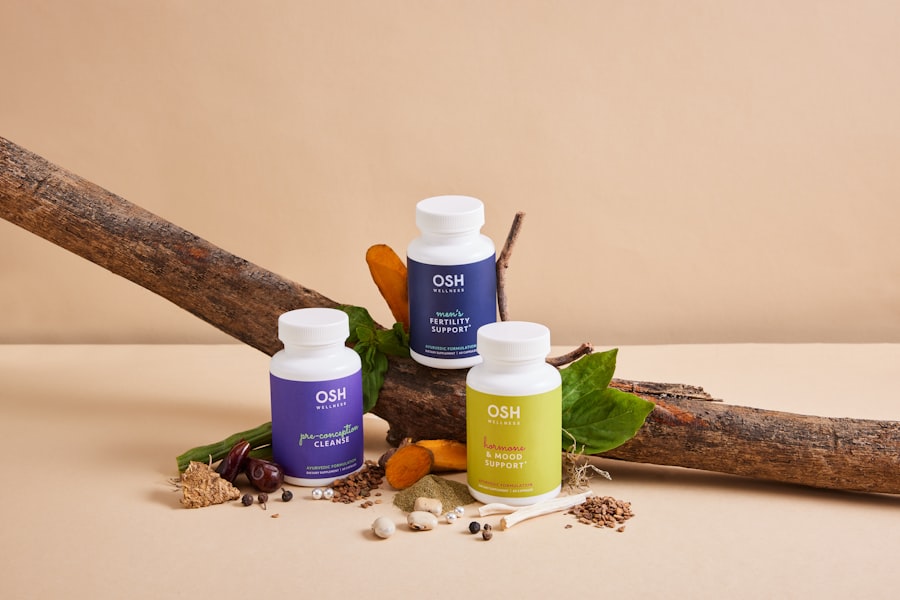
Your hair is, at its core, a protein structure. Therefore, ensuring you have adequate building blocks – amino acids and proteins – is fundamental to its growth and strength.
L-Cysteine and L-Methionine: Sulfur-Rich Hair Builders
These two sulfur-containing amino acids are particularly important for hair. They are key components of keratin, the structural protein that forms your hair.
- Keratin Formation: L-cysteine and L-methionine are essential for the cross-linking of keratin molecules. These cross-links provide strength, resilience, and structure to your hair strands, preventing them from becoming brittle and easily broken.
- Detoxification Support: Sulfur amino acids also play a role in the body’s detoxification processes, which can indirectly benefit hair health by reducing the burden of toxins that might hinder follicle function.
- Often Found Together: You’ll frequently find L-cysteine and L-methionine working in tandem within hair growth supplements, as they are so intrinsically linked in the keratinization process.
Collagen Peptides: Supporting Hair Structure and Elasticity
Collagen, the most abundant protein in your body, is crucial for the structure and elasticity of your skin, and by extension, it supports healthy hair follicles.
- Amino Acid Profile: Collagen is rich in specific amino acids like glycine, proline, and hydroxyproline, which are essential for building and strengthening connective tissues, including those surrounding hair follicles.
- Improved Scalp Health: By supporting the integrity of the scalp’s connective tissues, collagen can contribute to a healthier environment for hair growth.
- Elasticity and Strength: While hair itself isn’t made of collagen, a healthy scalp and follicle structure supported by collagen can contribute to hair that is less prone to breakage and retains a healthier appearance.
- Hydrolyzed Collagen: Most supplements utilize hydrolyzed collagen (collagen peptides), which are broken down into smaller, more easily digestible and absorbable components.
4. Botanical Extracts and Herbal Powerhouses: Nature’s Contribution to Hair Health
Beyond essential nutrients, numerous botanicals and herbs have been utilized for centuries for their reputed hair-enhancing properties. Modern research is beginning to validate some of these traditional uses.
Saw Palmetto: A Potential DHT Blocker
Saw palmetto is a small palm plant whose berries have been shown to have potential benefits for hair health, particularly for those experiencing androgenetic alopecia (pattern baldness).
- DHT Inhibition: The primary mechanism attributed to saw palmetto’s effectiveness is its potential to inhibit dihydrotestosterone (DHT). DHT is a hormone that can bind to hair follicles in genetically predisposed individuals, causing them to shrink and eventually stop producing hair.
- Blocking the Enzyme: Saw palmetto is thought to work by blocking the enzyme 5-alpha-reductase, which converts testosterone into DHT. By reducing DHT levels, it may help to slow down hair thinning and promote healthier hair growth.
- Evidence and Research: While research is ongoing and more large-scale studies are needed, some clinical trials have shown promising results in improving hair density and reducing hair loss in men and women.
- Commonly Paired Ingredients: You’ll often find saw palmetto combined with other ingredients known for hair health benefits in comprehensive supplements.
Ginseng: Stimulating Scalp Circulation and Follicle Activity
Ginseng, a revered herb in traditional medicine, is believed to promote hair growth by stimulating blood circulation and activating hair follicles.
- Ginsenosides: The active compounds in ginseng, known as ginsenosides, are thought to be responsible for its beneficial effects. These compounds may enhance blood flow to the scalp, delivering essential nutrients and oxygen to hair follicles.
- Promoting Anagen Phase: Some research suggests that ginseng can stimulate the hair follicles to enter the anagen (growth) phase of the hair cycle, leading to increased hair production.
- Antioxidant Properties: Ginseng also possesses antioxidant properties, which help protect hair follicles from oxidative stress, a factor that can contribute to hair aging and loss.
- Scalp Health: By improving circulation, ginseng can also contribute to a healthier overall scalp environment.
Rosemary Extract: Enhancing Blood Flow and Antioxidant Support
Rosemary, a fragrant herb commonly used in cooking, has also gained recognition for its potential benefits for hair growth, with emerging scientific evidence supporting its use.
- Increased Blood Circulation: Similar to ginseng, rosemary extract is believed to improve blood circulation to the scalp. This enhanced blood flow can deliver vital nutrients and oxygen to the hair follicles, promoting healthier growth.
- Anti-inflammatory Properties: Rosemary possesses anti-inflammatory properties, which can help soothe an irritated scalp and reduce inflammation that might hinder hair follicle function.
- Antioxidant Protection: The antioxidants present in rosemary extract can help protect hair follicles from damage caused by free radicals, contributing to healthier, more resilient hair.
- Comparisons to Minoxidil: Some studies have even suggested that rosemary oil may be as effective as minoxidil, a common pharmaceutical hair regrowth treatment, in certain aspects of hair growth.
If you’re exploring effective options for enhancing hair growth, you might find it helpful to read about the offerings of various hair loss pill subscription companies. These services often provide tailored supplements that can complement your hair growth journey. For more insights, check out this informative article on what these companies have to offer by clicking here. Understanding the range of products available can help you make informed decisions about your hair care regimen.
5. Understanding the “Synergy” Factor: Why Blends Often Outperform Single Ingredients
| Supplement Name | Key Ingredients | Benefits |
|---|---|---|
| Viviscal | AminoMar marine complex, biotin, vitamin C | Supports healthy hair growth, reduces hair shedding |
| Nutrafol | Marine collagen, saw palmetto, biotin | Promotes thicker, stronger hair, reduces stress-related hair loss |
| HairAnew | Biotin, bamboo extract, vitamin C | Supports hair strength and growth, improves hair texture |
You’ve explored individual ingredients, from essential vitamins and minerals to powerful herbs. Now, let’s talk about something that often amplifies their effectiveness: synergy. This is where the real magic of well-formulated hair growth supplements often lies – in the intelligent combination of ingredients that work together to achieve greater results than any single component could on its own.
The Power of Combination: Hitting Multiple Angles of Hair Health
Think of your hair growth journey as a complex ecosystem. To foster optimal growth, you need to address various aspects: providing building blocks, stimulating follicles, fighting inflammation, and protecting against damage. A single ingredient might excel in one area, but a well-designed blend can tackle multiple fronts simultaneously.
- Nutrient Absorption Enhancement: For instance, Vitamin C is crucial for iron absorption. When both are present in a supplement, the iron component becomes more bioavailable, directly benefiting hair follicles. Similarly, certain amino acids can act as carriers for other nutrients, improving their uptake.
- Addressing Different Causes of Hair Loss: You might be experiencing hair thinning due to a nutritional deficiency, hormonal imbalance, or scalp inflammation. A comprehensive blend can offer support across these different causal pathways, making it more likely to address your specific needs.
- Complementary Mechanisms of Action: Saw palmetto targets DHT, while biotin supports keratin production, and rosemary stimulates circulation. When these work together, they create a multi-pronged approach to hair health. One ingredient might create a more favorable environment for another to perform its function.
- Reducing the Need for Multiple Supplements: Instead of juggling an array of individual vitamins, minerals, and herbs, a well-formulated blend consolidates these into one convenient regimen. This can simplify your routine and improve adherence.
What to Look for in a Synergistic Formula: Beyond the Hype
When evaluating a hair growth supplement, don’t just get dazzled by a long ingredient list. Focus on understanding why those ingredients are together.
- Evidence-Based Combinations: Look for brands that cite scientific research or have a clear rationale for their ingredient pairings. Are these ingredients known to work well together? Are there studies supporting their combined efficacy?
- Balanced Dosages: A supplement might contain a long list of ingredients, but if the dosages of the key players are too low, their impact will be minimal. Research the effective dosages for individual ingredients and see if the supplement aligns.
- Reputable Brands and Transparency: Choose manufacturers with a strong reputation for quality and transparency. They should be open about their sourcing, manufacturing processes, and the specific forms of ingredients used.
- Personalized Needs: While synergy is powerful, remember that your individual needs might vary. If you have a diagnosed deficiency (e.g., iron or Vitamin D), you might need a targeted supplement in addition to a general hair growth blend.
By understanding the principle of synergy, you can approach your hair growth supplement selection with a more discerning eye, identifying formulas that are designed for maximum impact and a holistic approach to healthy, vibrant hair.
FAQs
What are hair growth supplements?
Hair growth supplements are dietary supplements that are formulated with vitamins, minerals, and other nutrients that are believed to support and promote hair growth. These supplements are designed to address nutritional deficiencies that may contribute to hair loss and promote overall hair health.
How do hair growth supplements work?
Hair growth supplements work by providing essential nutrients that are necessary for healthy hair growth. These nutrients may include biotin, vitamin D, iron, and other vitamins and minerals that are known to support hair health. By addressing nutritional deficiencies, these supplements can help promote stronger, thicker, and healthier hair.
What are some common ingredients in hair growth supplements?
Some common ingredients found in hair growth supplements include biotin, vitamin D, vitamin E, iron, zinc, and omega-3 fatty acids. These ingredients are believed to support hair health and promote hair growth by addressing nutritional deficiencies that may contribute to hair loss.
Are hair growth supplements effective?
While individual results may vary, some hair growth supplements have been shown to be effective in promoting hair growth and improving overall hair health. It’s important to choose supplements that are backed by scientific research and to use them as directed for the best results.
Are there any potential side effects of hair growth supplements?
Some potential side effects of hair growth supplements may include digestive issues, allergic reactions, and interactions with medications. It’s important to consult with a healthcare professional before starting any new supplement regimen, especially if you have underlying health conditions or are taking medications.