Alright, let’s dive into the nitty-gritty of keeping your thinning hair looking its best. As your Listicle Content Architect, I’ve got the inside scoop on how to navigate this sensitive topic with grace and practicality. You’ve come to the right place for tailored advice, because when it comes to thinning hair, frequency of washing isn’t a one-size-fits-all situation. It’s about understanding your specific needs and making informed choices. Let’s break it down.
Your hair is thinning, and that brings a unique set of challenges and considerations. It’s not just about volume; it’s about the health of your scalp and the integrity of each individual strand. Thinking about how often you wash is key, but it’s even more important to understand why this frequency matters for your hair.
1.1 The Scalp-Hair Connection
Your scalp is the foundation for healthy hair growth. When your hair is thinning, the scalp’s environment becomes even more critical.
1.1.1 Sebum Production and Its Impact
Sebum, the natural oil produced by your scalp, is essential for keeping your hair moisturized and protected. However, in some individuals with thinning hair, sebum production can be a double-edged sword.
- The Downside of Excess Oil: If your scalp is overproducing sebum, it can weigh down fine, thinning strands, making them appear lank and even greasier faster. This can also contribute to a feeling of heaviness and lack of volume, which is the last thing you want when your hair is already sparse. Over time, accumulated sebum can also clog hair follicles, potentially hindering healthy growth.
- The Upside of Balanced Oil: On the flip side, completely stripping your scalp of all its natural oils can lead to dryness, irritation, and a flaky scalp. This unhealthy scalp environment can further exacerbate thinning. The goal isn’t an arid wasteland, but a balanced ecosystem.
1.2 The Fragility Factor
Thinning hair, by its very nature, is often associated with finer strands that can be more delicate and prone to breakage. This fragility directly influences how often you should be subjecting your hair to the washing process.
1.2.1 Mechanical Stress During Washing
The physical act of washing, conditioning, and towel-drying can put stress on your hair.
- The Impact of Friction: Rubbing your scalp and hair vigorously, especially with thinning hair, can cause strands to break or become further weakened. This is why gentle techniques are paramount.
- The Role of Water Temperature: Hot water can strip natural oils, leading to dryness and increased fragility. Cool or lukewarm water is generally recommended for washing fine or thinning hair to preserve its moisture and reduce damage.
1.3 Product Buildup and Its Consequences
The products you use can have a significant impact on how your hair looks and feels, especially when it’s thinning.
1.3.1 The Weight of Styling Products
Heavy styling products, while sometimes used to create the illusion of thicker hair, can often have the opposite effect on thinning strands.
- Clinging to Fine Hairs: Thick creams, waxes, or gels can easily build up on fine, sparse hairs, weighing them down and making them look flat and limp. This buildup can also make your hair appear greasy more quickly, necessitating more frequent washing.
- The Importance of Lightweight Formulas: Opting for volumizing mousses, dry shampoos, or lightweight sprays can help to add body without the heavy residue.
If you’re concerned about the health of your thinning hair and wondering how often you should wash it, you might find it helpful to read a related article that discusses the role of water in hair care. The article titled “Is Water a Friend or Foe?” explores how different water types and washing frequencies can impact hair health. You can check it out for more insights on maintaining your hair’s vitality by following this link: Is Water a Friend or Foe?.
2. Determining Your Ideal Washing Frequency: Key Factors to Consider
Now that you understand the underlying principles, let’s talk about how to translate this knowledge into a practical washing schedule. It’s not a rigid rulebook; it’s a personalized approach based on your unique hair and scalp characteristics.
2.1 Your Scalp’s Oiliness Level
This is arguably the most significant determinant of how often you should wash your hair. Pay close attention to how quickly your hair starts to look greasy.
2.1.1 The Daily Greaser
If your hair feels noticeably greasy by the end of the day or the morning after washing, you might lean towards more frequent washing.
- Morning Recourse: For some, a daily wash might feel necessary to manage the oil and maintain a clean, fresh appearance. If this is the case, ensure you are using a gentle, sulfate-free shampoo and conditioning only your ends.
- The Importance of Gentle Cleansing: If you’re washing daily, it’s crucial that your shampoo is not stripping. Look for formulas specifically designed for fine or thinning hair, often labeled as volumizing or clarifying (but use clarifying shampoos sparingly).
2.1.2 The Two-Day Wonder
If your hair can comfortably go a full day without looking excessively oily, you might find a wash every other day to be your sweet spot.
- The Balancing Act: This frequency allows your scalp to maintain some of its natural oils, which can be beneficial for overall scalp health and hair strength, while still preventing overwhelming greasiness.
- Strategic Product Placement: During your “off” days, consider using a dry shampoo at the roots to absorb any excess oil that might start to accumulate.
2.1.3 The Three-Day Survivor
If your hair remains relatively clean and voluminous for two days, you might be able to stretch your washes to every third day.
- Maximizing Natural Protection: This approach allows your scalp to produce natural oils that can coat and protect your delicate strands, potentially reducing breakage.
- Scalp Health Priority: This longer interval can be particularly beneficial for those with a tendency towards dry or sensitive scalps, as it reduces the risk of stripping away essential moisture.
2.2 Your Hair’s Texture and Thickness
The inherent nature of your hair plays a role. Finer hair tends to show oil and product buildup more readily than coarser hair.
2.2.1 Fine Hair’s Tendencies
Fine hair has a smaller diameter and often less natural density, making it more susceptible to looking weighed down.
- The Volume Dilemma: If your hair is fine, even a small amount of oil can make it look flat. Washing more frequently might be necessary to maintain a desirable level of volume and lift.
- Gentle Handling is Non-Negotiable: Regardless of frequency, always handle fine hair with extreme care. Avoid aggressive scrubbing and use wide-tooth combs.
2.2.2 Coarser Hair’s Resilience
While thinning is the primary concern, if your hair has a naturally coarser texture, it might be able to go longer between washes.
- The Oil Distribution Factor: Coarser hair often distributes oils more effectively along the strand, meaning it might not look as greasy as fine hair even after a couple of days.
- Listen to Your Hair: Even with coarser hair, if you notice your scalp becoming itchy or your hair feeling heavy, it’s a sign it’s time for a wash.
2.3 Your Lifestyle and Activity Level
Your daily habits can significantly impact how quickly your hair becomes dirty or oily.
2.3.1 The Active Individual’s Dilemma
If you exercise regularly, sweat a lot, or work in a profession that involves physical exertion, you’ll likely need to wash your hair more frequently.
- Sweat and Scalp Health: Sweat can mix with sebum and product residue, creating an environment that can lead to irritation and clogged follicles.
- Post-Workout Protocols: Consider a quick rinse after intense workouts, even if it’s just with water, to remove sweat. Alternatively, a targeted dry shampoo application can be a lifesaver.
2.3.2 The Sedentary Routine
If your lifestyle is less physically demanding, you might find you can extend the time between washes.
- Less External Influence: With fewer external factors contributing to greasiness, your hair will naturally stay cleaner for longer.
- Focus on Scalp Health: Use this opportunity to focus on scalp massages and deep conditioning treatments (applied sparingly to ends).
3. The Art of Washing: Techniques for Thinning Hair
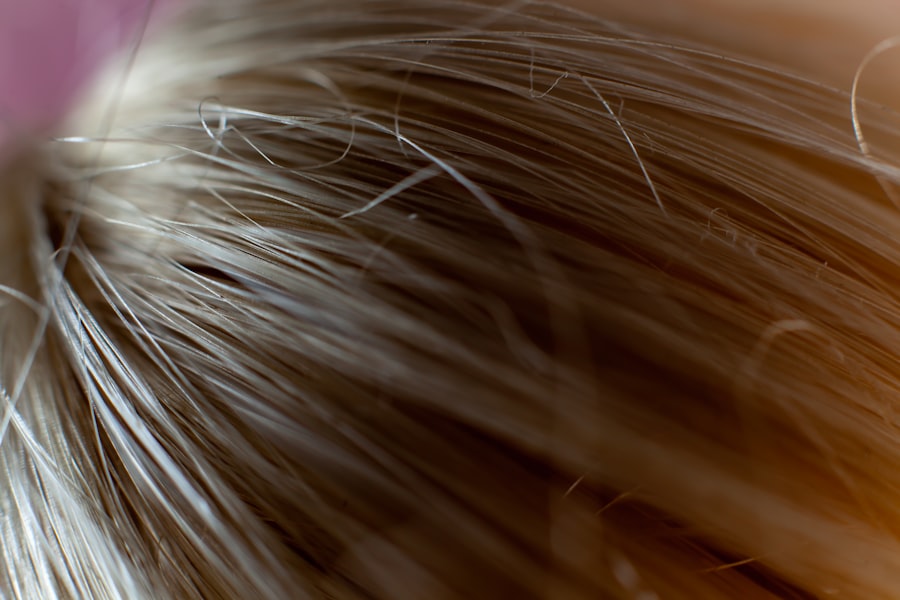
It’s not just about frequency, but how you wash your hair. This is where your LCA expertise comes into play – the details matter.
3.1 The Gentle Cleansing Approach
Vigorous scrubbing is the enemy of thinning hair. Embrace a more delicate, mindful washing experience.
3.1.1 Shampoo Application Strategy
This is where you focus your efforts.
- Target the Scalp: The primary goal of shampoo is to cleanse your scalp, not strip every strand of your hair. Apply shampoo directly to your scalp and gently massage it in with your fingertips.
- Let the Lather Do the Work: Allow the suds to run down the length of your hair as you rinse. This is usually enough to clean the rest of your hair without requiring direct scrubbing.
- Avoid Over-Shampooing: Resist the urge to work the shampoo into a lather all over your head repeatedly.
3.1.2 The Importance of Lukewarm Water
As mentioned earlier, temperature is key.
- Minimizing Stripping: Hot water can strip your scalp of its natural oils, leading to dryness, irritation, and potentially making thinning worse.
- Cool Rinse for Shine: Finish your rinse with a cool or lukewarm water to help seal the hair cuticle, which can add shine and reduce frizz.
3.2 Conditioning Strategies
Conditioner is essential for providing moisture and improving manageability, but it needs to be applied strategically for thinning hair.
3.2.1 Where to Apply Conditioner
Focus on the ends of your hair, where it’s most prone to dryness and breakage.
- Mid-Shaft to Ends: Apply conditioner from about mid-shaft down to the tips of your hair. Avoid applying it directly to your scalp, as this can weigh down fine hair and make it look greasy.
- The Purpose of Conditioner: Conditioner helps to detangle, smooth the hair cuticle, and add moisture, making your hair less prone to breakage and easier to manage.
3.2.2 Choosing the Right Conditioner
Opt for lightweight, volumizing conditioners.
- Lightweight Formulas: Look for conditioners labeled as “lightweight,” “volumizing,” or “for fine hair.” Avoid heavy, creamy formulas that can weigh your hair down.
- Avoid Silicones (Sometimes): While some silicones can be beneficial, others can build up on fine hair over time, making it look limp. Experiment with silicone-free options.
4. Beyond the Wash: Supporting Your Thinning Hair

Your washing routine is a crucial component of hair care, but it’s not the only one. What you do between washes and how you treat your hair daily can make a significant difference.
4.1 Leveraging Dry Shampoo
Dry shampoo is a lifesaver for thinning hair, but it needs to be used wisely.
4.1.1 The Strategic Application of Dry Shampoo
This product is designed to absorb excess oil and add a bit of lift to your roots.
- Targeted Application: Spray dry shampoo directly onto your roots, holding the can several inches away. Focus on areas where oil tends to appear first.
- Allow Time to Work: Let the dry shampoo sit for a minute or two to absorb the oil before brushing it through.
- Avoid Overuse: Too much dry shampoo can lead to a chalky buildup, which can look unsightly, especially on darker hair. It’s a tool, not a replacement for washing.
4.1.2 The Benefits of Dry Shampoo
It’s more than just an oil absorber.
- Extending Wash Days: Dry shampoo is your best friend for extending the time between washes, making it easier to maintain a good washing schedule without over-washing.
- Adding Volume and Texture: The powdery nature of dry shampoo can add a bit of grip and texture to your roots, giving the illusion of thicker hair and more volume.
4.2 Scalp Health Practices
A healthy scalp is the foundation for healthy hair growth, especially when dealing with thinning.
4.2.1 Exfoliation and Stimulation
Gentle scalp exfoliation can help remove dead skin cells and product buildup, promoting a healthier environment for your hair follicles.
- Scalp Massages: Regular scalp massages, whether during washing or outside of it, can improve blood circulation to the scalp, which can encourage hair growth. You can do this with your fingertips or a gentle scalp massager.
- Mild Scalp Scrubs: Consider using a gentle scalp scrub once or twice a month. Look for formulas designed for sensitive scalps and avoid anything too harsh.
4.2.2 The Power of Serums and Treatments
Targeted scalp treatments can provide essential nutrients and support for thinning hair.
- Nutrient-Rich Serums: Many serums are formulated with ingredients like biotin, niacinamide, and natural extracts that can nourish the scalp and promote healthier hair.
- Consistency is Key: These treatments are most effective when used consistently as part of your hair care routine.
4.3 Drying Techniques and Styling Considerations
How you dry and style your hair has a direct impact on its appearance and integrity.
4.3.1 Gentle Drying is Paramount
Treat your hair like the delicate strands they are.
- Towel-Turban Method: Instead of aggressively rubbing your hair with a towel, gently squeeze out excess water or wrap it in a soft microfiber towel turban.
- Air Drying When Possible: Allow your hair to air dry as much as possible. This minimizes heat exposure, which can be damaging to thinning hair.
4.3.2 Styling for Volume
When you do style, focus on techniques that create the illusion of thickness.
- Root Lifting: Use your blow dryer and a round brush to lift your roots as you dry. Direct the airflow upwards at the root.
- Volumizing Products: Apply lightweight mousses or volumizing sprays to damp hair before drying.
- Strategic Parting: Experiment with different partings. Sometimes, a slightly off-center or zigzag part can create more volume than a stark center or side part.
If you’re concerned about the health of your thinning hair, you might find it helpful to explore related topics such as hair growth techniques. For instance, an insightful article on how to promote hair growth can provide you with valuable tips and strategies. You can read more about this in the article on how to grow hair faster for women, which discusses various methods to enhance hair vitality and thickness.
5. When to Re-Evaluate Your Washing Routine
| Frequency | Recommendation |
|---|---|
| Everyday | Not recommended as it can strip the scalp of natural oils |
| Every other day | Ideal for most people with thinning hair |
| Twice a week | For those with very dry or sensitive scalp |
| Once a week | For those with extremely dry or fragile hair |
Your hair needs are not static. As your hair changes, or as seasons shift, you might need to adjust your washing frequency.
5.1 Recognizing Signs of Over-Washing
Your hair is giving you signals, and it’s important to listen to them.
5.1.1 Dryness and Brittleness
If your hair feels dry, straw-like, and brittle, it might be a sign that you’re stripping away too many of its natural oils.
- The Flaking Indicator: Dryness can also lead to an itchy, flaky scalp, which can sometimes be mistaken for dandruff but is actually a sign of over-drying.
- Breakage Concerns: Brittle hair is more prone to breakage, which can exacerbate the appearance of thinning.
5.1.2 Increased Oiliness (Paradoxically)
This might sound counterintuitive, but over-washing can sometimes lead to your scalp overcompensating by producing even more oil.
- The Cycle of Stripping: When you constantly strip your scalp of its natural oils, it tries to replenish them by producing more. This can create a frustrating cycle of greasiness.
- Rebalancing Efforts: If you notice this happening, try gradually extending the time between washes and using gentler products.
5.2 Recognizing Signs of Under-Washing
Just as over-washing can be detrimental, so can not washing enough.
5.2.1 Persistent Greasiness and Limpness
If your hair consistently appears greasy, limp, and lacks body, it’s a clear sign that you need to wash it more frequently.
- The Unpleasant Odor: A scalp that isn’t properly cleansed can develop an unpleasant odor due to the buildup of bacteria and oils.
- Product Buildup Issues: Neglecting to wash can lead to significant product buildup, which can clog follicles and weigh down your hair further.
5.2.2 Scalp Irritation and Itchiness
An unclean scalp can become irritated and itchy.
- Clogged Follicles: Buildup of sebum, dead skin cells, and product residue can clog hair follicles, leading to discomfort and potentially impacting hair growth.
- Inflammation Concerns: Excessive buildup can also lead to scalp inflammation, which is not conducive to healthy hair.
5.3 Adjusting for Environmental and Seasonal Changes
Your external environment can influence your hair’s needs.
5.3.1 Humidity’s Impact
Humid weather can make hair feel greasier faster.
- Increased Sebum Activity: In humid conditions, your scalp may produce more oil, requiring more frequent washing to keep your hair looking its best.
- Product Heavier Feel: Heavier styling products may not perform as well, so opt for lighter formulas.
5.3.2 Dry, Cold Climates
Cold, dry air can lead to a drier scalp and hair.
- Reduced Oil Production (Sometimes): In very dry climates, your scalp might produce less oil, making hair feel drier. In these cases, you might be able to extend washing days.
- Focus on Moisture: Ensure you’re using moisturizing shampoos and conditioners, and consider a leave-in conditioner on your ends.
When considering the best practices for maintaining thinning hair, it’s essential to explore various aspects of hair care, including washing frequency and product selection. For those looking to enhance their hair growth, you might find it beneficial to read about effective techniques in the article on how to grow hair faster. This resource offers valuable insights that can complement your hair care routine and help you achieve healthier hair overall. For more information, check out the article on how to grow hair faster.
6. When to Seek Professional Advice
As your LCA, I provide strategies, but sometimes, a professional perspective is invaluable. Your hair and scalp health are important, and sometimes, what seems like a simple washing frequency issue might be indicative of something more.
6.1 Consulting a Dermatologist
If you have persistent concerns about hair thinning or scalp issues, a dermatologist is your go-to expert.
6.1.1 Identifying Underlying Medical Conditions
Hair thinning can sometimes be a symptom of an underlying medical issue, such as thyroid problems, hormonal imbalances, or nutritional deficiencies.
- Diagnosis is Key: A dermatologist can perform tests to diagnose any underlying conditions that may be contributing to your hair loss and recommend appropriate treatment.
- Personalized Treatment Plans: They can provide personalized treatment plans, which may include prescription medications or other therapies.
6.1.2 Advanced Scalp Treatments
Dermatologists can offer specialized treatments for scalp health that go beyond over-the-counter options.
- Prescription-Strength Shampoos: They can prescribe medicated shampoos for conditions like psoriasis, seborrheic dermatitis, or fungal infections, which can impact hair health.
- In-Office Treatments: Depending on your condition, a dermatologist might recommend in-office treatments like corticosteroid injections or other therapies.
6.2 Talking to a Trichologist
A trichologist specializes in hair and scalp disorders and can offer in-depth analysis.
6.2.1 Comprehensive Hair and Scalp Analysis
Trichologists are experts in hair growth cycles and scalp health.
- Microscopic Examination: They can examine your scalp and hair under a microscope to assess follicle health, hair density, and potential causes of thinning.
- Tailored Recommendations: Based on their analysis, they can provide specific recommendations for hair care products, treatments, and lifestyle adjustments.
6.2.2 Non-Medical Hair Support
Trichologists focus on the non-medical aspects of hair and scalp health.
- Nutritional Guidance: They can offer advice on diet and nutrition that supports healthy hair growth.
- Product Recommendations: They can recommend specific hair care product lines and styling techniques that are best suited for your individual hair concerns.
6.3 The Role of Your Hairstylist
Your hairstylist sees your hair regularly and can offer practical, in-person advice.
6.3.1 Regular Trims and Hair Health Checks
Consistent visits to your stylist are beneficial.
- Assessing Damage and Split Ends: They can identify split ends and damage, which can make thinning hair look even sparser. Regular trims remove these damaged areas.
- Product Recommendations: They can recommend shampoos, conditioners, and styling products that are formulated for thinning hair and suitable for your hair type.
6.3.2 Styling Techniques for Volume
Your stylist can demonstrate techniques to maximize volume and create the illusion of thicker hair.
- Cut for Volume: They can recommend a haircut that’s designed to add body and movement to thinning hair.
- Professional Styling Tips: They can show you how to use styling tools and products effectively to achieve a fuller look at home.
By understanding these factors and employing the right techniques, you can find the perfect washing frequency to keep your thinning hair looking and feeling its best. Remember, consistency and gentle care are your allies.
FAQs
1. How often should you wash thinning hair?
It is generally recommended to wash thinning hair every other day or every two to three days. Over-washing can strip the hair of its natural oils, leading to further damage and thinning.
2. What type of shampoo should be used for thinning hair?
It is best to use a gentle, sulfate-free shampoo specifically designed for thinning hair. Look for shampoos that contain ingredients like biotin, niacin, and keratin to help strengthen and nourish the hair.
3. Are there any special techniques for washing thinning hair?
When washing thinning hair, it is important to be gentle and avoid vigorous scrubbing. Use your fingertips to massage the scalp and distribute the shampoo, and rinse thoroughly to avoid product buildup.
4. Can over-washing contribute to thinning hair?
Yes, over-washing can strip the hair of its natural oils, leading to dryness and breakage. This can contribute to thinning hair, so it is important to find a balance and not wash too frequently.
5. Are there any other tips for caring for thinning hair?
In addition to using a gentle shampoo and avoiding over-washing, it is important to minimize heat styling and use a wide-tooth comb to detangle wet hair. Additionally, incorporating a nourishing hair mask or treatment into your routine can help strengthen and protect thinning hair.