You are experiencing thinning hair, and the frustration is real. You’ve tried everything from miracle shampoos to expensive salon treatments, but nothing seems to be making a lasting difference. What if the culprit isn’t an external factor, but something happening within your own body? You’re likely unaware that a creeping vitamin deficiency could be slowly but surely stealing your luscious locks.
As the Listicle Content Architect (LCA), your go-to expert for insightful and actionable listicles, I’m here to illuminate this often-overlooked cause of hair loss. We’ll delve into the vital micronutrients that your body craves for healthy hair growth and explore how their absence can manifest as shedding, thinning, and even bald patches. Prepare to embark on a journey of discovery that could hold the key to restoring your hair’s former glory.
Before we dive into specific vitamin deficiencies, you need to understand how your hair actually grows. Think of it as a continuous, intricate cycle involving three distinct phases:
The Anagen Phase: The Growth Spurt
This is the active growth phase where your hair follicles are busy producing new hair shafts. This phase can last anywhere from two to seven years, and at any given time, about 85-90% of your hair is in this stage. During anagen, the cells in the hair root divide rapidly, pushing the hair shaft upward and out of the follicle. Proper nutrition is paramount during this phase. Vitamins and minerals act as the essential building blocks and energy sources for these rapidly dividing cells, ensuring they have everything they need to create strong, healthy hair. Imagine trying to build a house without adequate bricks and mortar; the structure would be weak and prone to collapse. Similarly, without sufficient vitamins, your hair follicles struggle to produce robust hair.
The Catagen Phase: The Transition Period
This is a short, transitional phase that lasts for about two to three weeks. During catagen, the hair follicle shrinks, detaches from its blood supply, and stops growing. This phase marks the end of active hair production. While less demanding than anagen, the follicle still requires support to navigate this transition smoothly. Vitamins play a role in maintaining the structural integrity of the follicle and preparing it for the resting phase.
The Telogen Phase: The Resting and Shedding Stage
This is the resting phase, which typically lasts for about three months. During telogen, the hair shaft is fully formed, but the follicle is dormant. New hairs begin to grow beneath the old ones. At the end of this phase, the old hair is shed, making way for the new growth. You naturally shed about 50-100 hairs per day, and this is a normal part of the hair cycle. However, if your body is experiencing significant vitamin deficiencies, this phase can be prolonged, or the shedding can become excessive and noticeable. Think of it as an overburdened system signaling that it can no longer sustain healthy hair production efficiently, leading to an early or prolonged exit for existing strands.
Vitamin deficiency can significantly impact hair health, leading to issues such as hair loss. A related article that explores effective methods for promoting hair growth, including dietary considerations and vitamin supplementation, can be found at this link. This resource provides valuable insights into how proper nutrition can help mitigate hair loss and enhance overall hair vitality.
2. The Iron Deficiency Domino Effect: More Than Just Fatigue
Iron deficiency anemia is one of the most common nutritional deficiencies worldwide, and its impact on hair loss is significant. Ferritin, the protein that stores iron in your body, plays a crucial role in hair follicle health.
Why Iron is Essential for Hair Follicle Health
Inside your hair follicles reside specialized cells that are highly metabolically active. These cells require a constant supply of oxygen to function optimally. Iron, as a key component of hemoglobin in red blood cells, is responsible for transporting oxygen throughout your body, including to your hair follicles. When your iron levels are low, the oxygen supply to these delicate cells is compromised. This lack of oxygen can disrupt the hair growth cycle, leading to the premature entry of follicles into the telogen (resting) phase and causing increased shedding. It’s like a factory running on insufficient power; production slows down, and machinery starts to break down.
The Ferritin Connection: A Sensitive Indicator
Ferritin levels are often considered a more sensitive indicator of iron status than simple iron tests, especially concerning hair loss. Even if your hemoglobin levels are within the normal range, your ferritin stores might be depleted. Low ferritin levels can signal that your body is struggling to maintain adequate iron reserves, and hair follicles, being non-essential organs during times of scarcity, are often the first to suffer the consequences. You might not feel the fatigue associated with severe anemia, but your hair could be silently crying out for more iron.
Recognizing the Signs Beyond Hair Loss
While hair thinning is a primary concern, iron deficiency can present with other symptoms that you might be overlooking. These can include:
- Unusual fatigue and weakness: This is a hallmark symptom of iron deficiency anemia, as your body lacks enough red blood cells to carry oxygen efficiently.
- Pale skin: Reduced hemoglobin can lead to a pallor in your skin.
- Shortness of breath: Especially during exertion, as your body struggles to get enough oxygen.
- Headaches and dizziness: These can also stem from reduced oxygen supply to the brain.
- Cold hands and feet: Poor circulation due to low iron can cause extremities to feel colder.
- Brittle nails: Iron deficiency can affect the health and strength of your nails, making them prone to breaking.
- Sore or swollen tongue (glossitis): This can be an indicator of iron or other vitamin deficiencies.
If you’re experiencing several of these symptoms alongside hair loss, it’s a strong indication that an iron deficiency might be the underlying cause.
3. The Vitamin D Deficiency Dilemma: Sunshine’s Role in Hair Follicle Activation
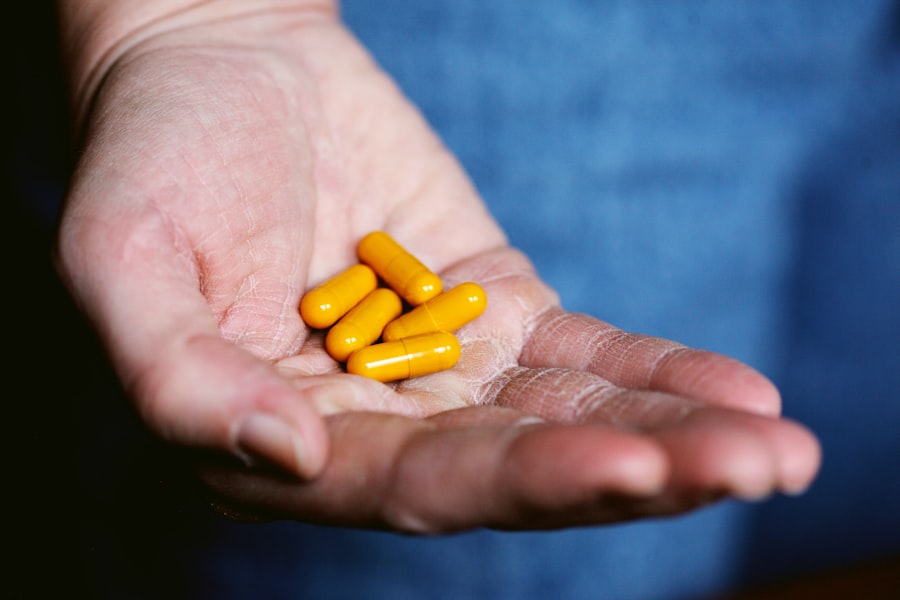
Vitamin D, often dubbed the “sunshine vitamin,” plays a surprisingly crucial role in hair follicle cycling and growth. Its deficiency is increasingly linked to various forms of hair loss, including alopecia areata.
How Vitamin D Influences Hair Follicle Stem Cells
Vitamin D receptors are present in hair follicle stem cells. These receptors are critical for stimulating these stem cells, which are responsible for initiating the growth of new hair. When you have insufficient vitamin D, these receptors are not adequately activated, leading to a delay or impairment in the recruitment of hair follicle stem cells. This disruption can prevent new hair from growing or cause existing hairs to become weaker. Think of vitamin D as the key that unlocks the door for new hair growth. Without enough of that key, the door remains shut.
Vitamin D and the Hair Follicle Cycle
Research suggests that vitamin D helps to increase the size of hair follicles and promotes the creation of new follicles. It’s believed to play a role in signaling the transition from the telogen (resting) phase to the anagen (growth) phase, ensuring a timely and healthy regrowth cycle. A deficiency can prolong the resting phase, leading to the appearance of thinning hair as fewer follicles are actively producing.
Beyond Hair Loss: Other Symptoms of Low Vitamin D
Similar to iron deficiency, a lack of vitamin D can manifest beyond just your scalp. You might be experiencing:
- Bone pain and muscle weakness: Vitamin D is vital for calcium absorption, essential for strong bones and muscles.
- Fatigue and tiredness: Low vitamin D levels can contribute to general feelings of exhaustion.
- Mood changes, including depression: Studies have linked vitamin D deficiency to seasonal affective disorder and depression.
- Impaired wound healing: Vitamin D plays a role in immune function and tissue repair.
- Increased susceptibility to infections: A well-functioning immune system relies on adequate vitamin D levels.
If you’re spending less time outdoors or have darker skin (which produces less vitamin D from sunlight), you might be at a higher risk for deficiency.
4. The Biotin and B-Vitamin Brigade: Fueling Hair Strength and Vigor
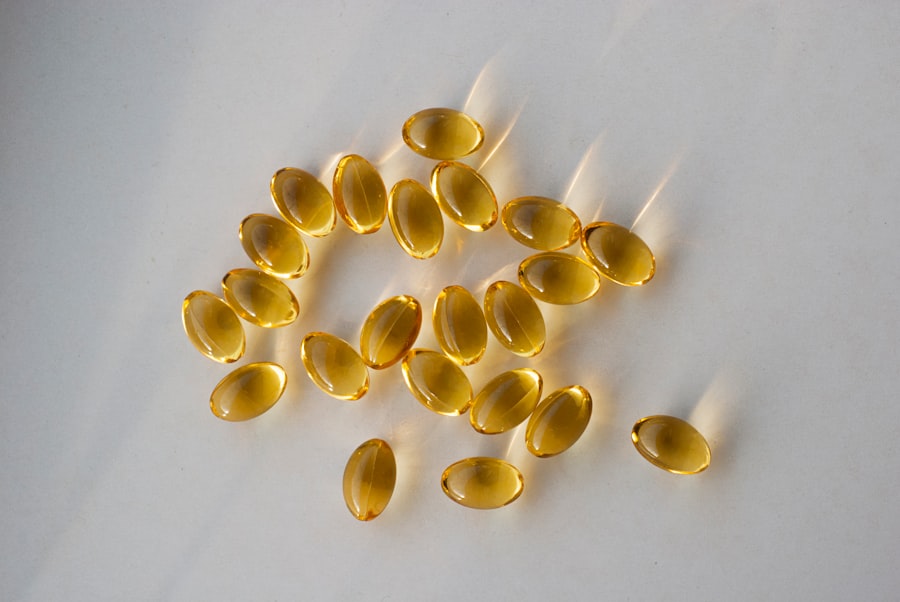
Biotin, also known as vitamin B7, is a powerhouse nutrient that has gained considerable fame for its role in hair, skin, and nail health. However, it’s not the only B vitamin that deserves your attention in the fight against hair loss.
Biotin’s Powerhouse Role in Keratin Production
Keratin is the primary protein that makes up your hair, skin, and nails. Biotin is a crucial coenzyme that plays a vital role in the synthesis of keratin. It helps to strengthen the keratin infrastructure of your hair, making it more resistant to breakage and damage. When you don’t have enough biotin, your body struggles to produce sufficient keratin, leading to weaker, more brittle hair. Imagine trying to build a sturdy structure with an inferior type of brick; it simply won’t stand up to the elements.
Beyond Biotin: Other B Vitamins for Hair Health
While biotin often steals the spotlight, other B vitamins are equally important for a healthy scalp and robust hair growth:
- Vitamin B12 (Cobalamin): This vitamin is essential for the formation of red blood cells, which, as we’ve discussed with iron, are crucial for delivering oxygen to your hair follicles. A deficiency in B12 can lead to an oxygen deficit, impacting hair growth. It also plays a role in cell division, which is fundamental for the rapid growth occurring in hair follicles.
- Folate (Vitamin B9): Folate is another B vitamin critical for cell division and DNA synthesis. It directly supports the production of new hair cells, ensuring a consistent supply for healthy growth.
- Niacin (Vitamin B3): Niacin helps improve blood circulation to the scalp. Enhanced blood flow means that your hair follicles receive a better supply of nutrients and oxygen, promoting healthier growth. It can also help to add volume and shine to your hair.
- Pantothenic Acid (Vitamin B5): This vitamin is thought to help slow down hair thinning and shedding. It nourishes the hair follicles and can help to strengthen existing hair shafts.
Symptoms of B-vitamin deficiencies can be diverse and may include fatigue, nerve problems, digestive issues, and skin rashes, all of which can indirectly impact hair health.
Vitamin deficiency can significantly impact hair health, leading to issues such as hair loss. Many people may not realize that a lack of essential vitamins, particularly B vitamins, vitamin D, and vitamin E, can contribute to thinning hair and bald patches. For those interested in exploring how nutritional choices can affect overall appearance, a related article discusses the importance of selecting the right products for maintaining youthful skin, which can complement efforts to improve hair vitality. You can read more about it in this insightful piece on choosing anti-aging makeup products.
5. Vitamin A & E: Antioxidant Allies for a Healthy Scalp and Strong Strands
| Vitamin | Deficiency | Effect on Hair |
|---|---|---|
| Vitamin A | Deficiency | Dry, brittle hair |
| Vitamin B7 (Biotin) | Deficiency | Hair loss, thinning |
| Vitamin D | Deficiency | Slow hair growth |
| Vitamin E | Deficiency | Poor scalp circulation, hair loss |
While often associated with skin health, Vitamins A and E are also important players in maintaining a healthy scalp environment and protecting your hair from damage, which can contribute to hair loss.
Vitamin A: Cell Growth and Sebum Production
Vitamin A, in its various forms (retinoids), is essential for cell growth and differentiation, including the cells that make up your hair. It plays a crucial role in the production of sebum, an oily substance secreted by your sebaceous glands. Sebum moisturizes your scalp and keeps your hair lubricated, preventing dryness and breakage. However, too much vitamin A can be detrimental, leading to hair thinning. The key is balance.
The Role of Vitamin E in Antioxidant Protection
Vitamin E is a powerful antioxidant. This means it helps to protect your cells from damage caused by free radicals. Free radicals are unstable molecules that can damage cellular structures, including those in your hair follicles and scalp. By neutralizing these free radicals, vitamin E can help to protect your scalp from inflammation and oxidative stress, creating a more conducive environment for hair growth. Think of it as a shield for your scalp, guarding against microscopic invaders that can weaken your hair.
What Happens When These Vitamins Are Out of Whack?
- Vitamin A Deficiency: Aside from hair loss, a deficiency can lead to dry, scaly skin, impaired vision (particularly night blindness), and a weakened immune system.
- Vitamin E Deficiency: This is less common but can result in nerve and muscle damage, vision problems, and a weakened immune system. The effects on hair directly might be less pronounced but the overall health of your scalp can be compromised.
Ensuring you have adequate amounts of these vitamins is crucial for a healthy scalp and strong, resilient hair.
The Takeaway: You’ve now seen how crucial vitamins are for every stage of your hair’s life. It’s not just about genetics or expensive products; your body’s internal chemistry plays a massive role. If you’ve been grappling with hair loss, and especially if you’re experiencing some of the other symptoms mentioned, it’s time to consider the possibility of a vitamin deficiency. Don’t let this silent culprit continue to steal your confidence. Consult with your doctor or a registered dietitian to get tested and develop a personalized plan to replenish your nutrient levels and bring back the vibrancy to your hair.
FAQs
What is vitamin deficiency and how does it cause hair loss?
Vitamin deficiency occurs when the body does not receive enough of a particular vitamin, leading to various health issues. In the case of hair loss, certain vitamins such as vitamin D, vitamin E, and B vitamins play a crucial role in promoting healthy hair growth. When the body lacks these vitamins, it can result in hair thinning and loss.
Which vitamins are essential for preventing hair loss?
Vitamins such as vitamin D, vitamin E, and B vitamins (including Biotin and Niacin) are essential for maintaining healthy hair growth. These vitamins help in nourishing the scalp, promoting hair follicle health, and supporting the production of keratin, which is a protein essential for hair growth.
What are the symptoms of vitamin deficiency-related hair loss?
Symptoms of vitamin deficiency-related hair loss may include excessive hair shedding, thinning of the hair, slow hair growth, and brittle or dry hair. Other symptoms may include fatigue, weakness, and changes in skin health.
How can vitamin deficiency-related hair loss be treated?
Treatment for vitamin deficiency-related hair loss involves addressing the underlying cause by incorporating a balanced diet rich in essential vitamins and minerals. In some cases, supplements may be recommended to help replenish the body’s vitamin levels. It is important to consult with a healthcare professional before starting any new supplement regimen.
What are some dietary sources of vitamins essential for hair health?
Foods such as fatty fish, eggs, nuts, seeds, leafy greens, and whole grains are rich in the vitamins essential for hair health. Additionally, incorporating a variety of fruits and vegetables into the diet can help ensure adequate intake of essential vitamins and minerals for promoting healthy hair growth.