You’ve been tasked with crafting the ultimate guide for menopausal women seeking to combat hair thinning and promote regrowth. As the Listicle Content Architect (LCA), you understand the power of a well-structured, informative, and engaging listicle. Your audience is looking for practical solutions, backed by understanding and empathy. Here’s your meticulously crafted listicle, designed to empower and inform.
You’re entering a phase of significant hormonal change, and your hair is often one of the first places you notice it. During menopause, your estrogen and progesterone levels begin to decline. These hormones play a crucial role in maintaining the hair growth cycle, specifically by prolonging the anagen (growth) phase and shortening the telogen (resting) phase. As these hormones decrease, the balance shifts. Androgen hormones, which are present in both men and women, can become more dominant relative to estrogen and progesterone. This imbalance can lead to a process similar to male-pattern baldness, where hair follicles shrink, producing finer, shorter strands, and eventually, stopping hair production altogether.
1.1. The Estrogen-Progesterone Connection to Hair Follicles
Think of estrogen and progesterone as the guardians of your hair’s healthy growth cycle. Estrogen typically extends the duration of the active hair growth phase (anagen). This means your hair has more time to grow longer and thicker. Progesterone, on the other hand, has a less direct but still important role; it can help to reduce hair shedding. When these hormones dip, as they do during perimenopause and menopause, the anagen phase shortens. This means your hair doesn’t get as much time to grow before it enters the resting phase and eventually falls out.
1.2. Androgens: The Unexpected Players
While you might associate androgens primarily with men, women have them too. Hormonal shifts during menopause can lead to a relative increase in the influence of androgens. These hormones can bind to hair follicles, particularly those on your scalp, and trigger a process called follicular miniaturization. This is a gradual shrinking of the hair follicle, which leads to the production of thinner, weaker hairs, and ultimately, a noticeable thinning of your overall hair volume.
1.3. Beyond Hormones: Other Contributing Factors
It’s important to remember that hormonal changes aren’t the only culprits behind hair loss during menopause. You might also be experiencing:
1.3.1. Nutritional Deficiencies
As your body ages and your metabolism shifts, your dietary needs can change. If your diet lacks essential vitamins and minerals crucial for hair health, it can exacerbate hair thinning.
1.3.2. Stress and Lifestyle
The emotional and physical stresses associated with menopause, coupled with changes in sleep patterns or anxiety, can significantly impact your hair’s health. Chronic stress can push more hair follicles into the resting phase prematurely.
1.3.3. Underlying Health Conditions
Certain medical conditions, such as thyroid issues or autoimmune diseases, can also contribute to hair loss and may become more prevalent or noticeable during this life stage.
For menopausal women experiencing hair thinning or loss, hair growth supplements can be a valuable addition to their wellness routine. These supplements often contain essential vitamins and minerals that support hair health during this transitional phase. Additionally, incorporating practices such as yoga can further enhance overall well-being and potentially improve hair growth. For more insights on how yoga can contribute to anti-aging effects, you can read the related article at Yoga and Its Anti-Aging Effects.
2. Decoding Supplement Ingredients: What Your Hair Needs to Thrive
Identifying the right hair growth supplements for menopausal women means understanding the key ingredients that address the underlying causes of hair thinning. These ingredients work by replenishing depleted nutrients, supporting the hair follicle, and promoting a healthy growth environment.
2.1. The Pillars of Hair Health: Vitamins and Minerals
Your hair follicles are metabolically active and require a steady supply of specific micronutrients to function optimally.
2.1.1. Biotin (Vitamin B7): The Energizer
Often hailed as the “hair vitamin,” biotin plays a vital role in producing keratin, the primary protein that makes up your hair. During menopause, increased stress or poor nutrient absorption can lead to lower biotin levels, impacting hair strength and growth.
2.1.2. Vitamin D: The Growth Promoter
Vitamin D is crucial for stimulating hair follicles and kickstarting the anagen phase. Low levels of Vitamin D have been linked to various types of hair loss, and many women experience Vitamin D deficiency.
2.1.3. Iron: The Oxygen Carrier
Iron is essential for transporting oxygen to your hair follicles. Iron deficiency anemia is a common cause of hair loss, especially among women, and can be exacerbated by hormonal fluctuations and changes in menstruation during perimenopause.
2.1.4. Zinc: The Repair Specialist
Zinc is vital for hair tissue growth and repair. It also helps to keep the oil glands around your follicles working properly, preventing dryness and promoting a healthy scalp environment.
2.1.5. Vitamin E: The Antioxidant Shield
Vitamin E is a powerful antioxidant that can help protect hair follicles from oxidative stress, which can damage cells and hinder hair growth. It can also improve scalp circulation.
2.2. Hair-Building Blocks: Proteins and Amino Acids
Beyond vitamins, the structural components of hair are equally important.
2.2.1. Collagen: The Structural Support
Collagen is a protein that provides structure to your skin and hair. As you age, collagen production naturally declines. Supplementing with collagen can help rebuild the collagen matrix around your hair follicles, promoting stronger, more resilient hair. Certain amino acids within collagen, like proline, are particularly beneficial.
2.2.2. L-Cysteine and L-Methionine: The Sulfur Sources
These amino acids are rich in sulfur, a key component of keratin. They help strengthen hair strands and can protect against breakage and thinning.
2.3. Botanical Powerhouses: Nature’s Solutions
Many plant-based ingredients have been traditionally used and are now scientifically recognized for their hair-promoting properties.
2.3.1. Saw Palmetto: The Androgen Balancer
Saw palmetto is often included in supplements for its potential to block DHT (dihydrotestosterone), a potent androgen that contributes to hair loss. By inhibiting DHT, it can help prevent follicular miniaturization.
2.3.2. Horsetail Extract: The Silica Source
Horsetail is a natural source of silica, a mineral that can strengthen hair and improve its elasticity. It also contains other beneficial compounds that support scalp health.
2.3.3. Ginseng: The Circulation Booster
Ginseng is known for its adaptogenic properties and its ability to improve blood circulation. Enhanced blood flow to the scalp can deliver more nutrients and oxygen to hair follicles, promoting growth.
2.4. Emerging Allies: Other Beneficial Compounds
Newer ingredients are gaining recognition for their unique contributions to hair health.
2.4.1. Hyaluronic Acid: The Hydration Hero
While primarily known for skin hydration, hyaluronic acid can also benefit the scalp by drawing moisture, which can create a more favorable environment for hair growth and reduce dryness.
2.4.2. Ashwagandha: The Stress Reliever
As a potent adaptogen, ashwagandha can help manage stress and its effects on hair. By reducing cortisol levels, it can indirectly support a healthier hair growth cycle.
3. Top Hair Growth Supplement Categories for Menopausal Women
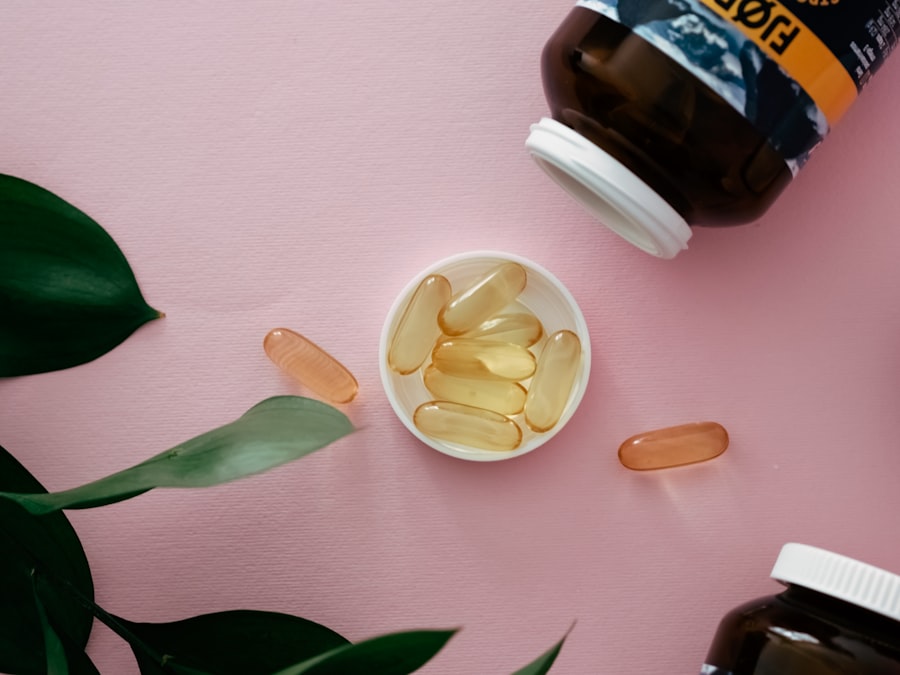
Navigating the supplement aisle can feel overwhelming. Here, you’ll find categorized recommendations, focusing on the most effective types of hair growth supplements for your unique needs during menopause.
3.1. Comprehensive Multi-Nutrient Blends
These are your go-to for addressing multiple potential deficiencies simultaneously. They typically combine a wide array of vitamins, minerals, and botanical extracts designed to support overall hair health.
3.1.1. The All-in-One Solution
When you’re unsure which nutrient is most lacking, a well-formulated multi-nutrient blend offers a broad spectrum of support. Look for formulas specifically geared towards women or those experiencing age-related hair thinning.
3.1.2. Key Ingredients to Seek in Blends
Prioritize blends that contain a good dose of biotin, iron, zinc, Vitamin D, and a mix of B vitamins. The inclusion of collagen, saw palmetto, and silica is a significant bonus.
3.2. Targeted Collagen and Amino Acid Proteins
If you suspect your hair is losing its structural integrity and becoming brittle, collagen and amino acid-focused supplements are excellent choices.
3.2.1. Rebuilding Hair Strength
These supplements provide the foundational building blocks for keratin and collagen, the core components of healthy hair. They can help improve hair thickness, reduce breakage, and increase shine.
3.2.2. Hydrolyzed Collagen Peptides: The Bioavailable Option
Look for hydrolyzed collagen peptides (also known as collagen hydrolysate). This form is broken down into smaller peptides, making it easier for your body to absorb and utilize.
3.3. Botanical Formulations with Androgen Support
For women concerned about DHT-related thinning, supplements that incorporate herbs like saw palmetto and pygeum bark are particularly beneficial.
3.3.1. Addressing Hormonal Imbalances
These formulas aim to counteract the effects of excess androgens on hair follicles, promoting a healthier scalp environment for regrowth.
3.3.2. Combining Botanicals for Synergistic Effects
Effective botanical supplements often combine several herbs to create a synergistic effect, amplifying their benefits for hair growth and retention.
3.4. Specialized Scalp and Follicle Treatments (Oral)
While topical treatments are common, some oral supplements focus on ingredients that nourish the scalp from within.
3.4.1. Nourishing from the Inside Out
These supplements may contain ingredients that improve scalp circulation, reduce inflammation, or provide direct nutrients to the follicles.
3.4.2. Antioxidant Powerhouses for Scalp Health
Look for ingredients like Vitamin E, selenium, and green tea extract, which can protect scalp cells from damage and support a healthy growth environment.
3.5. Stress-Reducing Adaptogen Blends
If stress is a major factor in your hair thinning, supplements that incorporate adaptogenic herbs can be a valuable addition to your regimen.
3.5.1. The Mind-Body Connection to Hair
Managing stress is crucial for overall health, and it has a direct impact on your hair. Adaptogens help your body cope with stress, which can lead to reduced hair shedding.
3.5.2. Popular Adaptogens for Hair Health
Ashwagandha, Rhodiola Rosea, and Holy Basil are well-known adaptogens that can help balance your body’s stress response, indirectly benefiting your hair.
4. Key Considerations Before You Buy: Making the Smart Choice
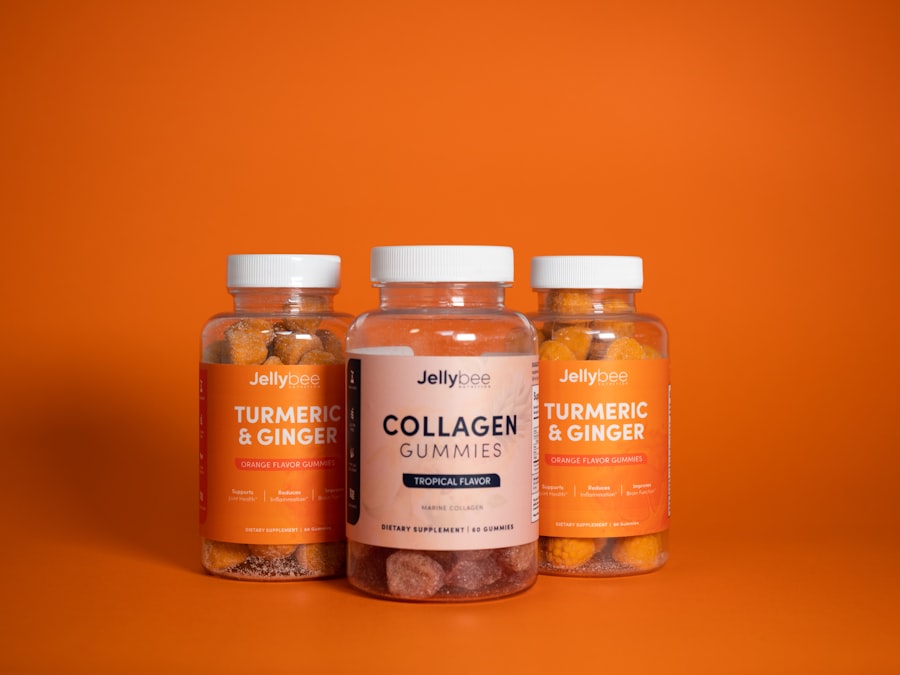
Before you commit to a specific supplement, it’s crucial to approach your purchase with a strategic mindset. You want to invest in products that are effective, safe, and aligned with your individual needs.
4.1. Ingredient Transparency and Quality
You deserve to know exactly what you’re putting into your body, and the quality of those ingredients matters immensely.
4.1.1. Read the Label Carefully
Don’t just glance at the front of the bottle. Scrutinize the ingredients list for the full breakdown of what’s included and in what quantities.
4.1.2. Prioritize Third-Party Testing
Look for certifications from reputable third-party testing organizations (like NSF International, USP, or ConsumerLab.com). This indicates that the product has been independently verified for purity, potency, and accuracy of its label claims.
4.1.3. Avoid Unnecessary Fillers and Artificial Additives
Many supplements contain fillers, binders, and artificial colors or flavors. While not always harmful, they can sometimes detract from the potency of the active ingredients and are often unnecessary.
4.2. Dosage and Bioavailability
The amount of an ingredient and how well your body can absorb it are just as important as its presence.
4.2.1. Effective Dosing for Key Nutrients
Research the recommended daily intake for the key nutrients you’re seeking. A supplement that simply lists an ingredient isn’t helpful if the dose is too low to be effective.
4.2.2. Understanding Bioavailability
Some forms of nutrients are more easily absorbed by the body than others. For example, iron bisglycinate is generally better tolerated and absorbed than ferrous sulfate. Similarly, certain forms of magnesium or B vitamins offer superior bioavailability.
4.3. Your Health Profile: Consulting with a Professional
| Supplement Name | Key Ingredients | Benefits |
|---|---|---|
| Viviscal | AminoMar marine complex, biotin, zinc | Promotes hair growth, nourishes hair follicles |
| Nutrafol | Marine collagen, saw palmetto, biotin | Supports hair growth, reduces hair thinning |
| HairAnew | Biotin, bamboo extract, vitamin C | Strengthens hair, supports hair growth |
Your individual health status is paramount. What works for one person might not be suitable for another.
4.3.1. Always Talk to Your Doctor or a Registered Dietitian
Before starting any new supplement regimen, it is an absolute must to consult with your healthcare provider. They can assess your current health, identify any potential nutrient deficiencies through blood tests, and advise on any interactions with medications you may be taking.
4.3.2. Discuss Underlying Health Conditions
If you have any pre-existing health conditions, such as thyroid disorders, diabetes, or autoimmune diseases, they can significantly impact hair health and may require specific approaches. Your doctor can guide you on safe and effective supplement choices.
4.4. Realistic Expectations and Patience
Hair growth is a biological process that takes time. Supplements are aids, not magic bullets.
4.4.1. Understand the Hair Growth Cycle
Remember that hair grows in cycles. You won’t see results overnight. Typically, it takes anywhere from 3 to 6 months of consistent supplementation to notice significant changes.
4.4.2. Consistency is Key
For any supplement to work, you need to take it consistently as directed. Skipping doses will hinder its effectiveness.
4.4.3. Combine with Healthy Habits
Supplements are most effective when they are part of an overall healthy lifestyle. This includes a balanced diet, regular exercise, stress management, and good scalp care.
For menopausal women experiencing hair thinning, exploring effective hair growth supplements can be a beneficial step. These supplements often contain essential vitamins and minerals that support hair health during this transitional phase. If you’re interested in learning more about holistic approaches to hair care, you might find this article on Instagram gurus who focus on healthy natural hair regimens particularly insightful. Their tips and recommendations can complement the use of supplements, providing a well-rounded strategy for maintaining luscious locks.
5. Beyond the Bottle: Holistic Approaches to Fuller Hair
While supplements can be a powerful tool in your arsenal against menopausal hair thinning, they are most effective when integrated into a comprehensive, holistic approach to your well-being.
5.1. Nourishing Your Body from Within: Diet as Medicine
Your diet is the foundation of your health, and it plays a significant role in the health and vitality of your hair.
5.1.1. The Importance of a Balanced Plate
Focus on a diet rich in whole foods, including lean proteins, healthy fats, abundant fruits, and a variety of vegetables. These provide the essential vitamins, minerals, and antioxidants your body needs for hair growth.
5.1.2. Prioritize Protein Intake
Hair is primarily made of protein, specifically keratin. Ensure you’re consuming adequate amounts of lean protein from sources like fish, poultry, beans, lentils, and tempeh.
5.1.3. Embrace Healthy Fats
Omega-3 fatty acids, found in fatty fish, flaxseeds, and walnuts, can help reduce inflammation and promote a healthy scalp.
5.1.4. Hydration, Hydration, Hydration
Drinking enough water is crucial for overall bodily function, including nutrient transport to hair follicles. Dehydration can lead to dry, brittle hair.
5.2. Stress Management: The Unsung Hero of Hair Health
The connection between stress and hair loss is well-documented. Chronic stress can disrupt your hormonal balance and push hair follicles into a resting phase.
5.2.1. Mindfulness and Meditation
Even a few minutes of daily mindfulness or meditation can significantly reduce stress levels. Apps like Calm or Headspace can be excellent starting points.
5.2.2. Gentle Exercise and Movement
Engaging in regular, moderate exercise can be a fantastic stress reliever. Yoga, swimming, or brisk walks can all contribute to a calmer state of mind.
5.2.3. Prioritizing Sleep
Adequate sleep is essential for your body’s repair and regeneration processes, including hair growth. Aim for 7-9 hours of quality sleep per night.
5.2.4. Setting Boundaries
Learning to say no and setting healthy boundaries in your personal and professional life can significantly reduce feelings of overwhelm and stress.
5.3. Scalp Care: Creating the Optimal Growth Environment
A healthy scalp is the fertile ground for healthy hair growth.
5.3.1. Gentle Cleansing and Conditioning
Avoid harsh shampoos and excessive heat styling, which can strip your hair of its natural oils and damage the scalp. Opt for sulfate-free shampoos and nourishing conditioners.
5.3.2. Scalp Massage
Regularly massaging your scalp can improve blood circulation, delivering more nutrients and oxygen to your hair follicles. You can do this with your fingertips or a scalp massager.
5.3.3. Addressing Scalp Issues
If you experience dandruff, dryness, or inflammation on your scalp, address these issues promptly. A healthy scalp free from irritation is crucial for optimal hair growth.
5.4. Patience and Positive Self-Talk: Nurturing Your Inner and Outer Beauty
It’s easy to feel discouraged when experiencing hair thinning. Cultivating patience and a positive mindset is vital.
5.4.1. Embrace Your Journey
Menopause is a natural transition, and your body is undergoing significant changes. Focus on the positive aspects of this life stage and be kind to yourself.
5.4.2. Celebrate Small Wins
Acknowledge and celebrate any improvements you see, no matter how small. This positive reinforcement can keep you motivated on your hair growth journey.
5.4.3. Connect with Others
Sharing your experiences with friends, family, or online support groups can provide valuable emotional support and reduce feelings of isolation. You are not alone in this.
FAQs
What are hair growth supplements for menopausal women?
Hair growth supplements for menopausal women are dietary supplements that are specifically formulated to support and promote hair growth during the menopausal stage. These supplements typically contain vitamins, minerals, and other nutrients that are known to support healthy hair growth.
How do hair growth supplements work for menopausal women?
Hair growth supplements for menopausal women work by providing essential nutrients that may be lacking in the diet, which can support the hair follicles and promote healthy hair growth. These supplements may also help to balance hormone levels, which can be a contributing factor to hair loss during menopause.
What are some common ingredients in hair growth supplements for menopausal women?
Common ingredients in hair growth supplements for menopausal women may include biotin, vitamin D, vitamin E, iron, zinc, and marine collagen. These ingredients are known to support hair health and may help to address the specific needs of menopausal women experiencing hair loss.
Are there any potential side effects of hair growth supplements for menopausal women?
While hair growth supplements for menopausal women are generally considered safe, some individuals may experience side effects such as digestive discomfort or allergic reactions to certain ingredients. It is important to consult with a healthcare professional before starting any new supplement regimen.
How long does it take to see results from hair growth supplements for menopausal women?
The time it takes to see results from hair growth supplements for menopausal women can vary depending on the individual and the specific supplement being used. In general, it may take several weeks to months of consistent use before noticeable improvements in hair growth are observed.